
Iran says the US has broken the ceasefire by carrying out new airstrikes on the Iranian territory. The US military said it had launched what it called self-defence operations in southern Iran. It said the targets included missile sites and boats suspected of preparing mines.
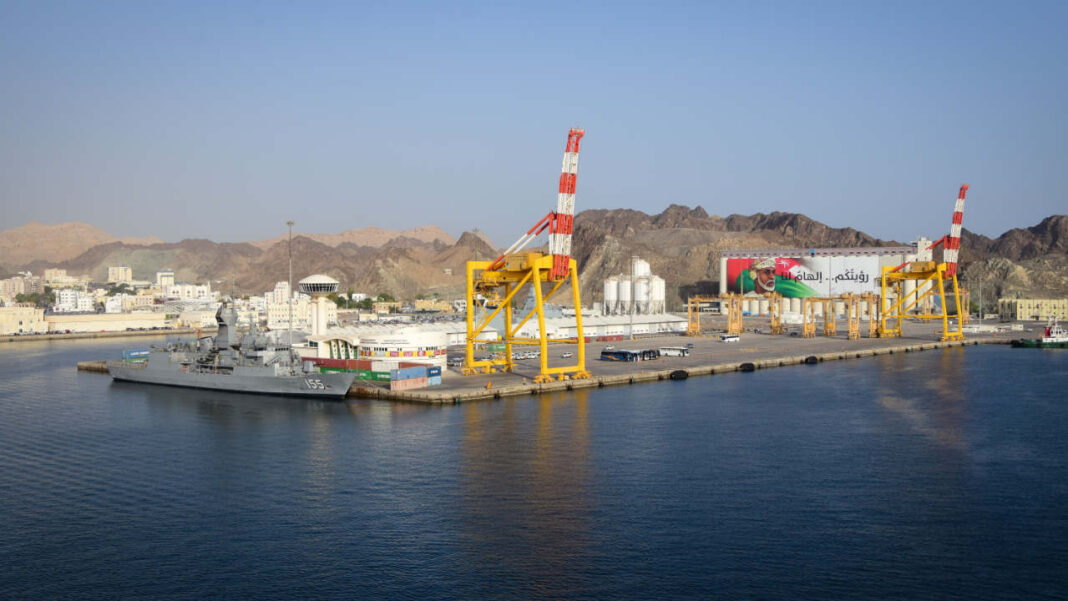
Iran’s foreign ministry blamed Washington for what it described as aggressive and unjustified attacks in the Hormozgan region. The area lies along the Strait of Hormuz, a key global shipping route. Iran warned that the consequences of these actions would be serious.
US Central Command said its forces carried out defensive strikes to protect American troops from threats. It said Iranian forces were planning actions that could endanger its personnel in the region. Officials did not give exact locations, but reports suggested activity near the port city of Bandar Abbas.
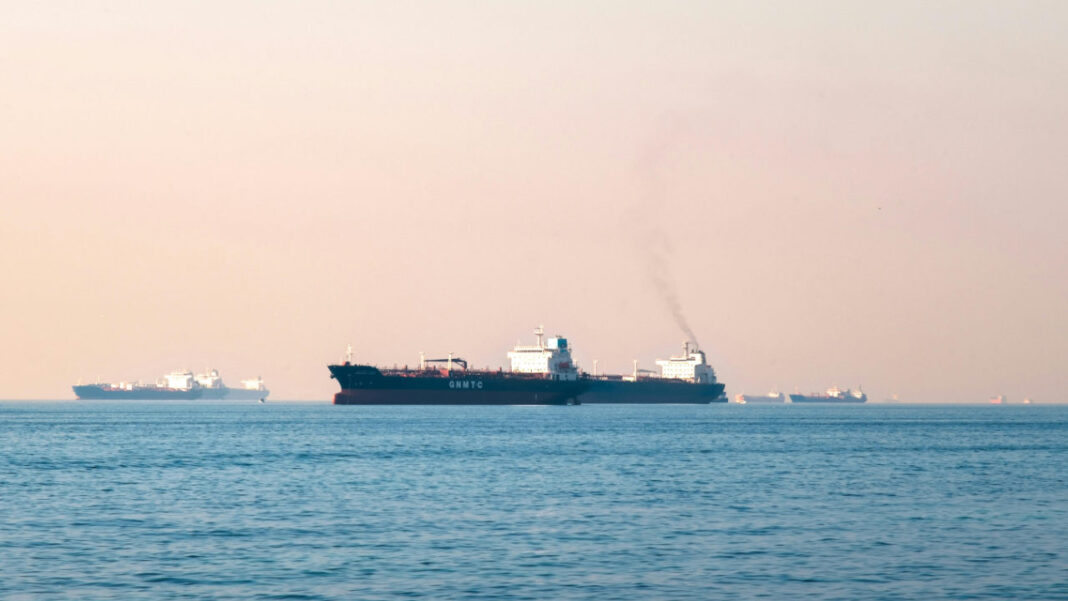
Iranian state media reported claims that its forces shot down a US drone and fired at a fighter jet entering its airspace. The Islamic Revolutionary Guard Corps said these incidents happened during heightened tensions, without giving full details. The Strait of Hormuz remained a major concern, with Iran restricting shipping and global oil prices rising.
Efforts to extend the ceasefire continued alongside diplomatic talks involving several regional mediators. US Secretary of State Marco Rubio stated that discussions were still ongoing regarding a possible agreement, but it would require time. Reports suggested discussions included a temporary ceasefire extension, reopening the Strait, and further nuclear negotiations.
US President Donald Trump initially said a deal was close but later urged negotiators not to rush. Iran acknowledged the progress made, but it emphasised that an agreement was still far off. Talks in Qatar included officials discussing frozen Iranian assets and the country’s nuclear stockpile. Iran’s central bank governor also attended meetings focused on financial issues and energy shipping routes.
The situation remains tense as both sides continue military posturing while trying to keep diplomatic channels open. Officials say the ceasefire is still in place, but repeated incidents are testing its stability. Energy markets remain sensitive because any disruption in the Strait of Hormuz can affect global oil supply.
Negotiations are expected to continue with mediators trying to stop further escalation in the region. Both Washington and Tehran say they are acting in defence and blaming each other for recent violence. International observers warn that without a breakthrough, the ceasefire could collapse quickly and the conflict may get bigger. Diplomatic efforts are still continuing as regional tensions remain very high today overall situation.