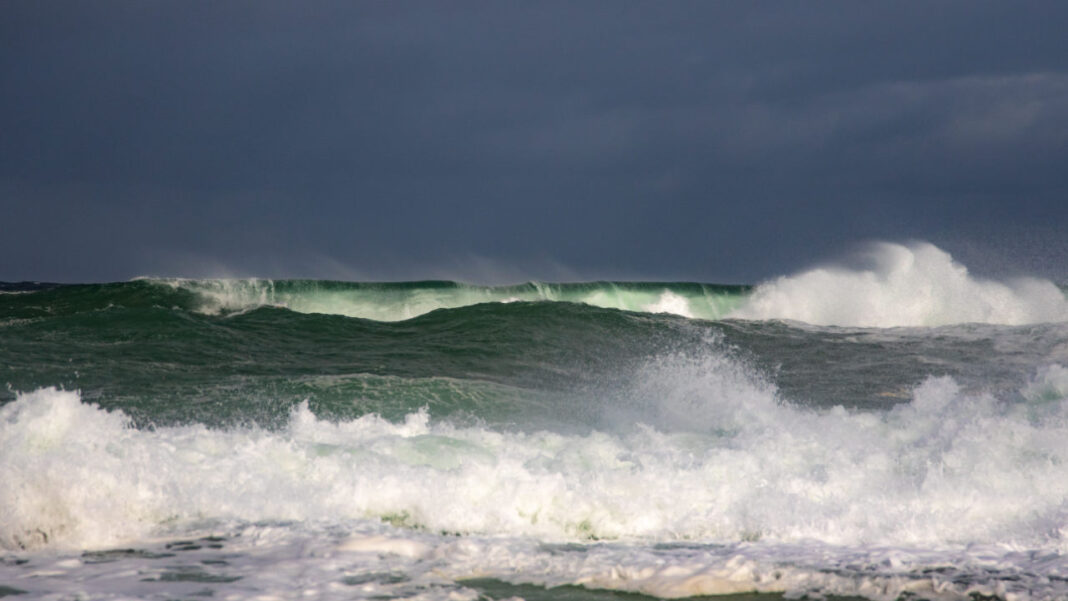

The south coast of Wellington was the scene of a dramatic demonstration of how quickly the ocean can rewrite the rules of the game. On 09-JUN-26, enormous swells smashed New Zealand’s capital region, with evacuations, road closures, and emergency measures taken against vulnerable coastal suburbs (these included Ōwhiro Bay, Island Bay, Houghton Bay, and Breaker Bay). The New Zealand Met Service had predicted significant wave heights of between nine and eleven (9 & 11) metres; peak recorded sensor data from Baring Head measured eleven point four (11.4) metres. Wind gusts reached up to one hundred and thirty kilometres per hour (130 km/h) at Wellington Airport, which also added pressure to the already unsafe coastal system.
What made this event so unusual was not just the sheer size of the waves but also when they occurred. The report stated that the main thrust of the swell hit when the tide was going out, which ultimately helped reduce the total damage done; however, authorities were very conservative in terms of taking precautionary measures due to the fact that large portions of Wellington’s waterfront had been heavily damaged during the winters of 2020 and 2021. The residents received a clear message from authorities that even a well-known waterfront area can turn into an unfriendly space when the swell, wind, and tide combine at an inappropriate time.
The broader application for sailors suggests that safety at sea is not solely dependent on wind patterns; large swells can travel significant distances before reaching shore and exert greater force on moorings, jetties, and port facilities than what local gales would create. During extreme weather conditions, even a tranquil harbour can become effectively unliveable if access routes are inaccessible, landings are blocked, or evacuations occur.
This is why current weather forecasts focus as much on reading the ocean as they do on reading the skies. The wave heights, swell direction, and wave period must be given as much consideration as the wind directions shown on the land-based forecast charts for ports located in open harbours and coastal cities. The sea state of Wellington’s 11m example provides an informative lesson on current maritime hazards: the danger is not simply from the presence of a storm but also from how the storm may cause a chain reaction throughout the coastal infrastructure, transport systems, and emergency services. In the South Pacific, the ocean did not just surge but rather dictated the agenda.