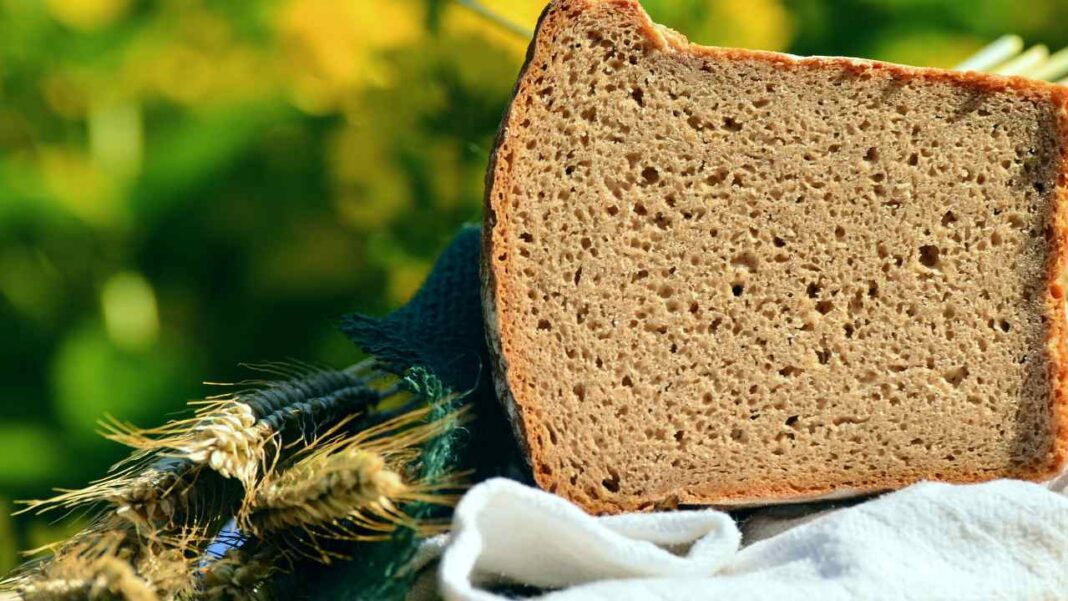

Scientists have found a new way to improve the smell of alternative protein foods made from food waste and grass. The research focuses on creating sustainable foods that are nutritious and appealing to consumers. The study is published in the Journal Science of Food. The team used leftover bread crusts that would normally be thrown away. They mixed the bread with protein extracted from perennial ryegrass, a plant that is usually grown as animal feed. The mixture was then fermented using different types of fungi for up to three days.
Researchers say smell is one of the most important factors affecting how people experience food. A pleasant aroma can make food more attractive and enjoyable. Because of this, the scientists wanted to understand how fermentation could change and improve the smell of these new protein-rich foods.
Researchers from Aberystwyth University’s Institute of Biological, Environmental and Rural Sciences (IBERS) conducted the study. Their findings were published in the scientific journal npj Science of Food. During the project, the researchers identified more than 150 aroma compounds that developed during fermentation. They used a method called solid-state fermentation. This technique has been used for many years in the Asian countries to make foods such as tempeh from plant materials including beans, cereals, and legumes.
The scientists discovered that different fungi produced different smells. Some created aromas similar to alcoholic drinks, while others produced earthy or cheese-like scents. These differences allowed researchers to adjust the aroma of the final product by selecting specific fungi. Lead researcher Juan Felipe Sandoval Rueda explained that understanding how these aroma compounds form can help scientists turn unusual ingredients into attractive food products. He said the goal is to create foods that are both environmentally friendly and enjoyable to eat.
After the fermentation process is complete, the material is dried and turned into a powder that contains a high level of protein. This powder can be added to other food products. For example, it can be mixed with wheat flour to produce bread with extra protein. The research team also developed a new mathematical tool that can predict the smell of food products during the early stages of development. This could help food manufacturers save both time and money when creating new products because they can estimate aromas before large-scale production begins.
The project involved collaboration with the University of Reading. Funding was provided by the Biotechnology and Biological Sciences Research Council (BBSRC) and several industry partners. One of the partners was Samworth Brothers, a major food manufacturing company in the United Kingdom. Dr David Bryant, a senior research fellow at IBERS, said the work is part of a larger four-year project focused on developing sustainable microbial foods. The aim is to help meet future food demands as the global population continues to rise. He explained that the team is combining surplus bread crusts from bakeries and sandwich manufacturers with grass protein to create new food products.
Since people do not normally eat grass, the team wanted to improve the aroma and overall appeal of the final product through fermentation. The process also creates very little waste. Only the juice from the grass is used to produce the protein ingredient. The remaining grass fibre can still be used as animal feed. Researchers say the process supports a circular economy by making better use of available resources.
The fermentation work was carried out at the AberInnovation pilot-scale biorefining facility, located on Aberystwyth University’s Gogerddan Campus. Researchers are now continuing their work to improve the taste and texture of the product. They are also exploring ways to increase production so the technology can be used commercially in the future. The study shows how food waste, grass protein, and fungal fermentation could help create sustainable food products for a growing world population.