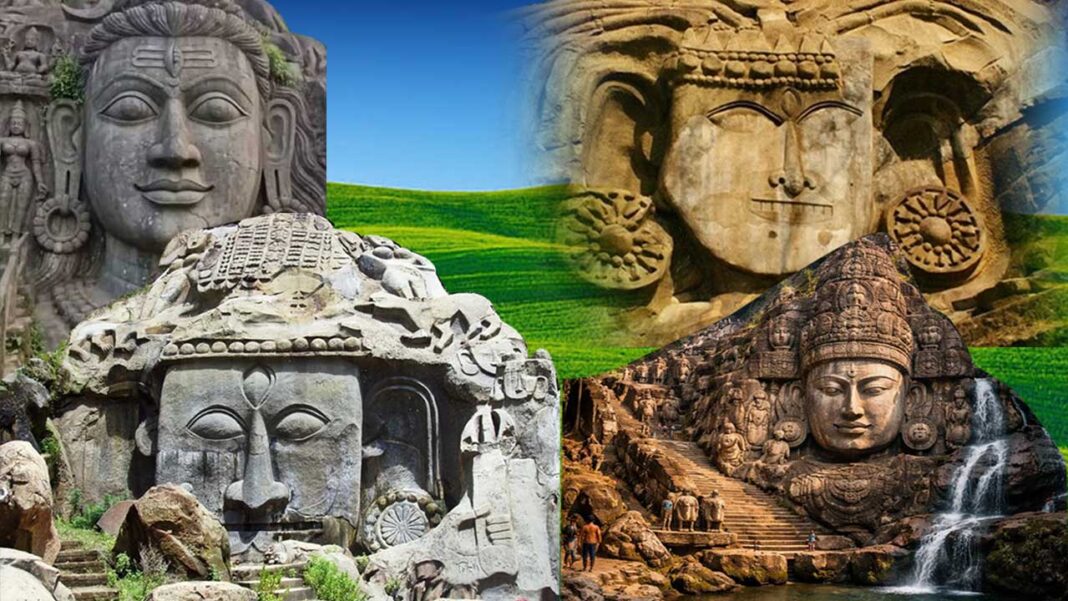

India (Commonwealth Union)_ Deep inside the forests of Tripura lies a place where history, mythology and mystery come together. Unakoti, in Tripura’s Unakoti district, is home to enormous rock-cut sculptures of Hindu deities. Yet one question continues to puzzle visitors and researchers: who carved them? According to local legend, one crore, or 10 million, gods and goddesses once stopped at Unakoti while travelling with Lord Shiva. Shiva asked everyone to wake before sunrise and continue their journey. When morning came, only Shiva was awake. The others were still asleep. Angry at their failure to follow his instructions, Shiva is believed to have cursed them, turning 99,99,999 of them into stone.
Also read: Mummy bread experiment: How this 5,000-year-old mummy will revolutionize the modern baking industry?
The story explains the name Unakoti, which means “one less than a crore”. But beyond the legend, the site holds a much older historical mystery. Located around 8 kilometres from Kailashahar and about 180 kilometres from Agartala, Unakoti is believed to have developed as a major centre of Shaivite worship. Archaeologists generally date its main sculptures to the 8th and 9th centuries, although some carvings may have been added later. The identities of the artists and the rulers or communities who commissioned the work, however, remain uncertain.
Also read: The world’s youngest professor is only 18: He shatters the 306-year-old world record!
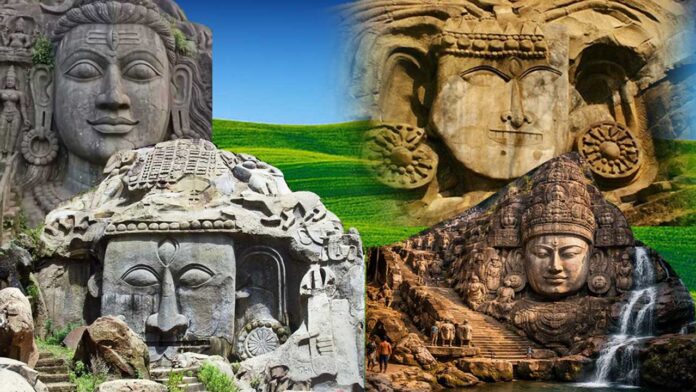
The most striking figure is Unakotiswara Kal Bhairava, a huge rock-cut image of Shiva measuring about 30 feet high. Its elaborate headgear rises even higher, creating an imposing sight against the forest landscape. Nearby are carvings of Ganesha, Durga, Uma-Maheshwara, Hanuman and other deities. Unlike the cave temples of Ajanta and Ellora, Unakoti’s sculptures are carved directly into open rock faces and hillsides. Waterfalls, stone steps and thick greenery add to its appeal, giving visitors the experience of walking through both an archaeological site and a natural landscape.
Also read: The world’s longest flight: Qantas makes aviation history flying over 24 hours without landing!
Unakoti’s tourism potential is also receiving wider attention. In 2022, its rock-cut sculptures and reliefs were placed on UNESCO’s Tentative List for World Heritage status. With its combination of mythology, unanswered historical questions and dramatic natural surroundings, Unakoti could become one of Northeast India’s most distinctive cultural tourism destinations. The best time to explore the site is generally from October to March, when the weather is more comfortable.