
The growing divisions the Pacific is now facing due to China’s recent ballistic missile test in the Pacific have brought up concerns that these disagreements could weaken the unity the regions have with one another. Foreign ministers in the Pacific Islands Forum ended their meeting in Suva without coming to an agreement on a joint response to the test. This shows the clear differences that are present among the member states over how strongly the region should respond.
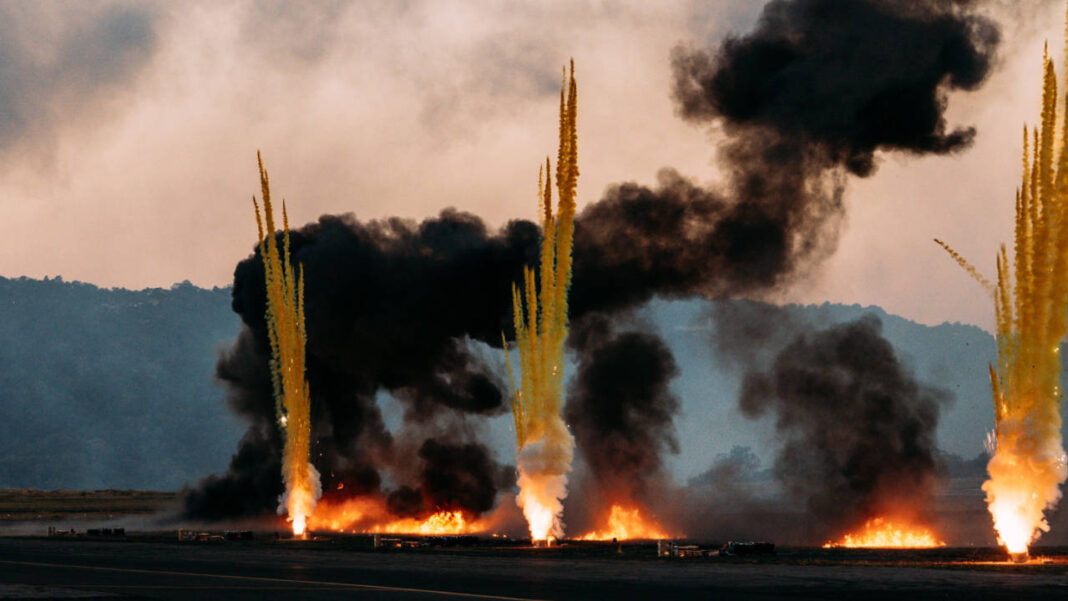
In July, China launched a missile that landed near Tuvalu’s exclusive economic zone. Pacific countries were quick to show criticism over the test. These nations include Fiji, Papua New Guinea, Solomon Islands, Australia and New Zealand, which are all Commonwealth countries. China described the launch as routine. However, regional leaders have expressed their deep concerns about the increased militarisation of the Pacific.
Fiji’s arguments state that missile testing in Pacific waters is inconsistent with the region’s vision of a peaceful and secure ocean, and due to that reason, the nation has supported New Zealand’s push for a united Pacific position. However, Kiribati and Nauru have opposed this notion by rejecting a proposed joint statement. As one can see, these disagreements highlight the differing relationships Pacific nations maintain with China and other major powers.
Winston Peters, the New Zealand foreign minister, has expressed his personal opinion by showing frustration at the lack of consensus, while Papua New Guinea’s foreign minister, Justin Tkatchenko, said the missile test was not helpful for the stability of the region. Pacific Islands Forum Secretary-General Baron Waqa acknowledged the differences but said members continued to listen to one another during negotiations and discussions.
China has also received strong encouragement from Australia to acknowledge the concerns firmly expressed by Pacific leaders. Australian Foreign Minister Penny Wong said the test was destabilising and highlighted the importance of maintaining a peaceful and stable Pacific region.
The issue is expected to remain a major topic when Pacific leaders meet in Palau from August 30 to September 4. Pacific nations must learn how to balance regional security with relationships with major powers while also continuing to address other issues such as poverty, crime, drugs and corruption.