
The Himalayan region of Nepal and Tibet has recently undergone a devastating flash flood which has, as a result, killed hundreds of people and left nearly 1,000 others missing as rescue teams continue to search through mud and debris. This daunting situation comes immediately after one of the region’s most destructive recent disasters.
The disaster occurred immediately after a massive collapse of ice, rocks, and mud. The collapse prompted torrents of water to go towards the Nepal-China border after they travelled through mountain river systems. At least 359 people had been confirmed and reported to be dead by August 27, while hundreds continued to be unaccounted for across Nepal and neighbouring Tibet, according to a few reports which were done.
The flooding caused much destruction to take place throughout the villages, damaging roads, bridges, buildings and other infrastructure. One of the most affected locations was the Gyirong border crossing. The crossing is an important trade and travel route between Nepal and China. The customs complex was reportedly destroyed by floodwater.
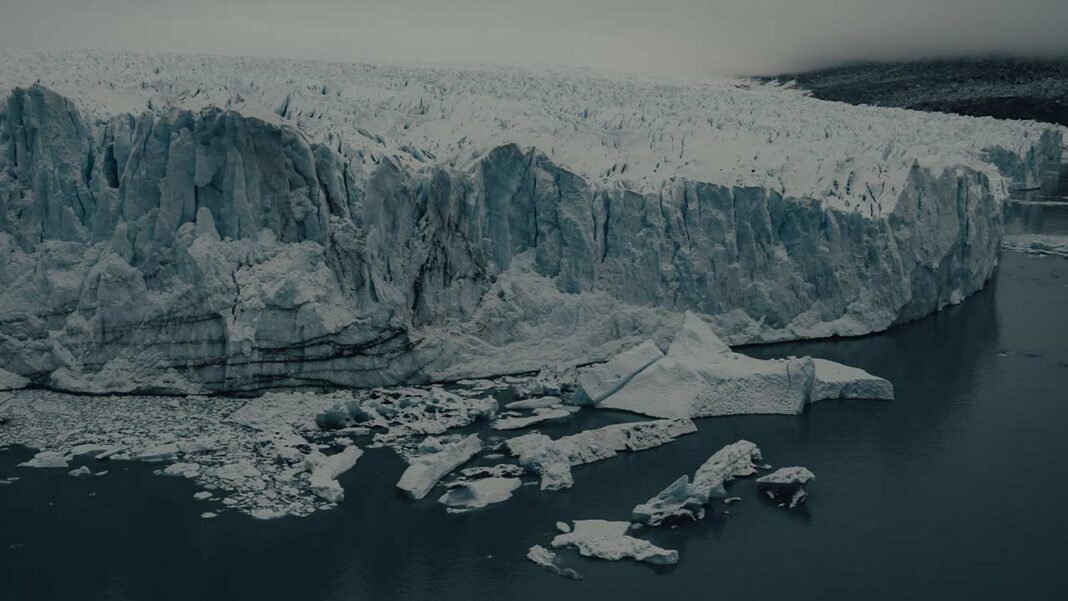
Even though the country emits less than 0.1% of global CO2 emissions, it is one of the most vulnerable countries to climate disaster. Scientists believe that these glaciers, which are called the “third pole,” collapsed due to their massive stores of ice, which are now melting.
Many of those who are still missing are known to be foreign nationals who were travelling through the region. The individuals included pilgrims who were heading towards the sacred Mount Kailash area. Reports have been made that at least 540 foreigners were among those missing. This situation adds another international dimension to the disaster, which is already at a critical point.
Rescue operations have been complicated by the mountainous terrain and the continuing threat of further flooding. Helicopters have been deployed in Nepal to transport aid and search for survivors, while access to some of the worst-hit areas remains difficult.
Authorities are also closely monitoring newly formed debris-dammed lakes that could release additional water and trigger even more flooding. This has raised concerns for communities which are located downstream and has forced emergency officials to remain alert.
The disaster has intensified concerns about the increasing risks facing communities in the Himalayas. Scientists have strongly highlighted and warned that rising temperatures are contributing to the changes which are taking place in glaciers, and that results in an increase of mountainous areas having landslides, floods and other climate-related hazards.
As rescue teams continue their work, families across Nepal, China and several other countries are waiting for information about missing relatives. The scale of the destruction has strongly highlighted the vulnerability of communities and critical infrastructure in the rapidly changing Himalayan environment.