
Healthcare (Commonwealth Union) – Heart disease remains the leading cause of death across the world. Unhealthy lifestyles and a rapidly aging population particularly across the industrial world have made heart disease even more concerning demonstrating the urgent need for a greater variety of treatments.
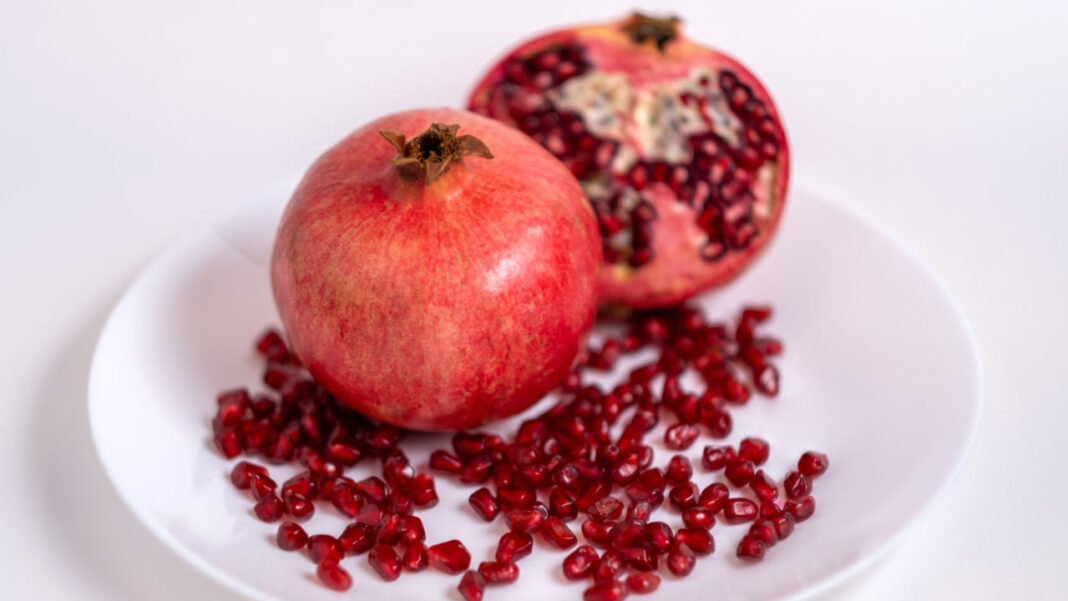
Scientists from the King’s College London in the UK, have found that urolithin A, a compound generated naturally in the body after eating foods including pomegranates, walnuts and certain berries, may help improve the heart’s ability to relax, limit the formation of scar tissue and prevent damaging changes in heart size.
The discovery could offer new hope for almost 500,000 people in the UK living with heart failure with preserved ejection fraction (HFpEF). In this form of heart failure, the heart can continue to pump blood normally but becomes less flexible, making it difficult for the chambers to relax and fill adequately between heartbeats. People with the condition may experience breathlessness, tiredness, reduced exercise capacity and a lower quality of life.
Although HFpEF is becoming increasingly common, treatment options remain limited. The condition can arise from several contributing factors, including ageing, high blood pressure and diabetes, making it particularly challenging to manage. Because the heart’s pumping function may appear normal despite impaired relaxation and filling, many conventional heart failure therapies have a limited effect. Treatment therefore often centres on addressing associated health problems and encouraging lifestyle changes, including weight management and better control of blood glucose.
Interest in urolithin A has increased in recent years because of its potential role in healthy ageing and its relationship with mitochondrial function. Mitochondria are structures within cells responsible for producing much of the energy needed to power the body.
Unhealthy mitochondria have been linked to a wide variety of diseases. Professor Thomas Seyfried has pointed to a variety of studies demonstrating the role of mitochondrial dysfunction in cancer.
In a first-of-its-kind discovery, researchers found that urolithin A activates a protein known as PKG1α, which is essential for regulating blood vessel activity and enabling the heart muscle to relax. The compound binds to a particular amino acid within the protein, triggering a biological pathway that produces beneficial effects on the cardiovascular system.
Animal models receiving urolithin A showed improvements in measures of heart function of as much as 80% compared with untreated models. Laboratory tests also showed that the compound enhanced the ability of heart tissue to relax while reducing fibrosis, the excessive formation of scar tissue that can impair cardiac function. In addition, urolithin A limited the enlargement of heart muscle cells, helping maintain their normal structure and performance.
The team then investigated the compound using engineered human heart tissue developed from human stem cells. This advanced laboratory model closely reproduces important structural and functional characteristics of human cardiac muscle. Treatment with urolithin A significantly enhanced tissue relaxation, indicating that the effects observed in the laboratory could potentially be relevant to human heart function.
Urolithin A also differs from many experimental compounds because it has already been investigated in human studies, where it has demonstrated a generally favourable safety profile.
Although further studies are required before these findings can be developed into patient treatments, the research highlights a potentially novel therapeutic target as well as a naturally occurring compound that could help tackle a major challenge in cardiovascular care.
Dr Joseph Burgoyne, senior author of the study, indicated that this type of heart failure continues to be one of the most difficult forms of heart disease that is treatable. He pointed out that their findings mark an entirely new therapeutic target and demonstrate that urolithin A has the ability to activate this pathway to enhance heart relaxation and lower disease severity.
“While there isn’t enough evidence to suggest that people should eat pomegranates to treat heart failure, these findings raise the possibility that dietary approaches that enhance urolithin A production may help alleviate this condition.”