
African governments: Activists have urged African governments to halt and pause new oil and gas exploration. Arguments have risen regarding the expansion of fossil fuel production and how it could end up worsening environmental damage and threatening communities that are already struggling with climate change. The protest took place on 13 October of this year. The location was outside the African Energy Week conference in Cape Town, South Africa, where energy companies and industry representatives gathered to discuss the continent’s energy future.
Campaigners from Greenpeace Africa and Extinction Rebellion criticised the industry’s growing interest in African fossil fuel resources. Wearing shirts which carried the message “Make polluters pay”, demonstrators accused major energy companies of prioritising profits over environmental protection and the welfare of local populations. Police officers subsequently removed protesters from the conference area.
South Africa’s interest in expanding oil and gas production shows its efforts, which are taken to strengthen energy security and attract investment. Supporters of natural gas argue that it could complement renewable sources such as solar and wind, and that would help provide electricity when weather conditions limit their output. However, environmental groups maintain that continued investment in fossil fuels could delay the transition to cleaner energy.
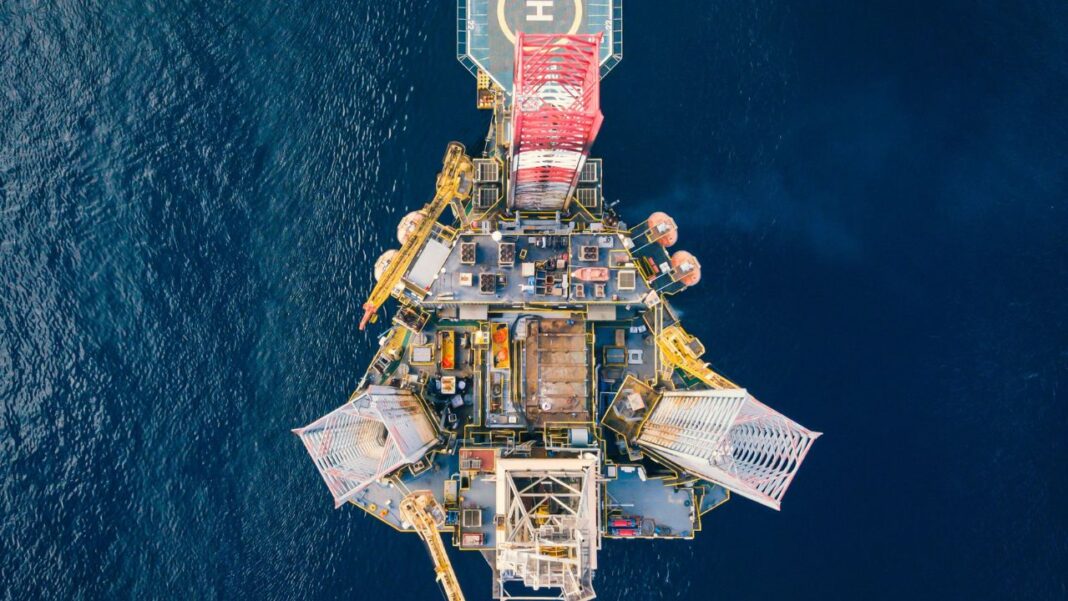
One major concern includes plans made by British energy company Shell to drill as many as five deep-water wells in the Northern Cape Ultra Deep block off South Africa’s west coast. The proposed exploration has faced environmental objections and appeals, reflecting wider disagreements over the potential economic benefits and ecological risks of offshore drilling.
The debate also takes on much wider implications for African countries that are vulnerable to floods, droughts, rising temperatures and other climate issues. Disasters which are related to climate can end up causing damages to infrastructure, disruptions to agriculture and increased pressure on food supplies, especially among communities that depend on farming for their livelihoods.
Nevertheless, many African governments face the difficult task of expanding access to reliable electricity while creating employment and attracting investment. The continent possesses significant energy resources, but millions of people still lack dependable electricity access.
The disagreement clearly highlights a main challenge for Africa, pursuing economic development and energy security while reducing environmental risks. How governments balance these competing priorities could significantly influence the continent’s long-term development and climate commitments.