
VALLETTA, MALTA — 4 NOVEMBER 2026
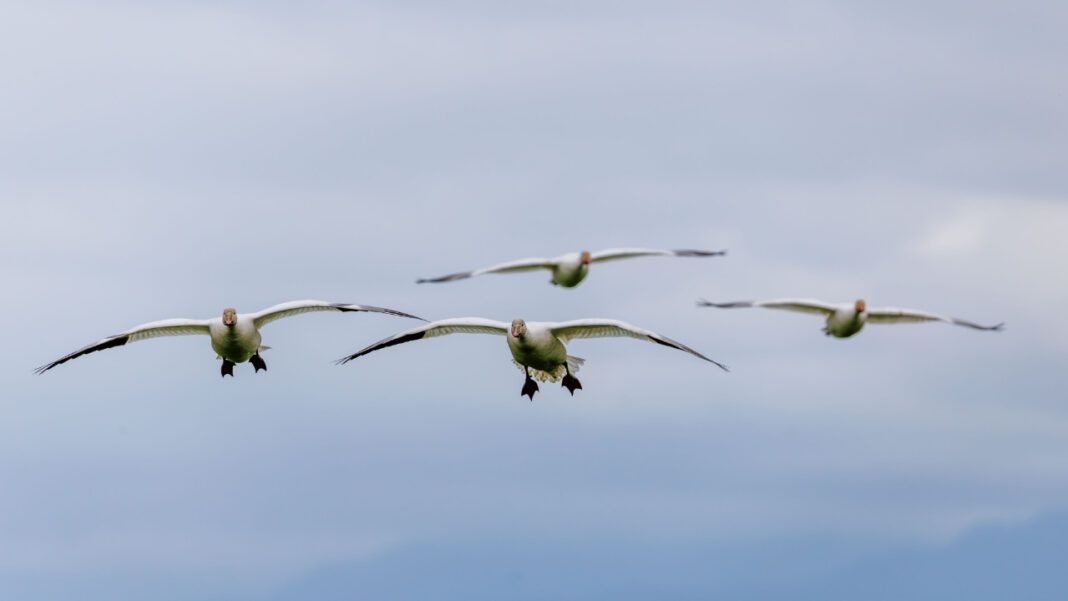
Years before, people may have thought the area a safe haven for thousands of tired migratory birds, but it turned into a site of catastrophes on the island of Malta in September 2026. Strong Mediterranean storms altered the natural migratory patterns of birds, and those seeking shelter were unfortunate to encounter people who were shooting at them.
The scale of the disasters has brought out a lot of unrest among the environmental activists and organisations as well as among young environmentalists, and the situation raised serious doubts about Malta’s competencies in preserving species for birds taking their migration route from Europe to Africa.
One of the statements given by S-Cubed on 3rd October 2026 disclosed that 21 protected birds had been killed by policemen in just a week after the storms in mid-September, according to the BirdLife Malta organisation.
The situation turned disturbing on 14 September 2026, with Malta meeting its annual hunting limit of 500 European turtle doves, prompting authorities to end the hunting season for the species early, prior to the scheduled end on 30 September.
According to BirdLife Malta, however, illegal shootings were still taking place. A report from Wardija indicated that one of the hunters was actually seen shooting and retrieving a turtle-dove roughly one hour after the enforcement of the hunting ban. Earlier that day, reports indicated that two little egrets had been shot and killed near St Thomas Bay, while some European rollers had been hunted in the vicinity of Girgenti and Xagħra tal-Isqof.
The illegal activities continued through the month. On 15 September, the highly protected Black Stork was shot near Buskett. On 26 September, a young Honey Buzzard was reportedly shot near Delimara and subsequently died. Perhaps most shocking of all, on 28 September, students returning to St Edward’s College in Birgu discovered a shot Eurasian hobby, a protected species.
Malta, aside from the immediate issue of wildlife tragedy, is facing a heated debate over its conservation laws. On 7 October 2026, the ORNIS Committee cast its vote on the proposed amendments to hunting penalties. BirdLife Malta rejected the proposals, while the Environment and Resources Authority abstained from voting, but the hunting federation FKNK supported it at that moment. The proposed changes were not yet law, so the government had to act.
The effects of this incident are beyond Malta alone. Most birds that got killed do not breed on the islands and rely on safe migration.
Each of the protected birds being bribed and killed illegally means a loss for the wider ecological network woven by nature among countries and continents.
Malta now is not just enquiring about how many birds have been killed in the course of this tragedy. It needs to figure out if visitors coming to Europe from Africa will get safe passage over this feathered highway now.