
Healthcare (Commonwealth Union) – Swapping ordinary table salt for a version enriched with potassium could prevent almost three million deaths worldwide every year, researchers say. It could also prevent about ten million new cases of heart and kidney disease annually.
The estimates come from the first study to look at what this switch could mean across the whole world. It was carried out by researchers at The George Institute for Global Health and published in the journal Nature Health. The team modelled the effects across 193 countries.
What is potassium-enriched salt?
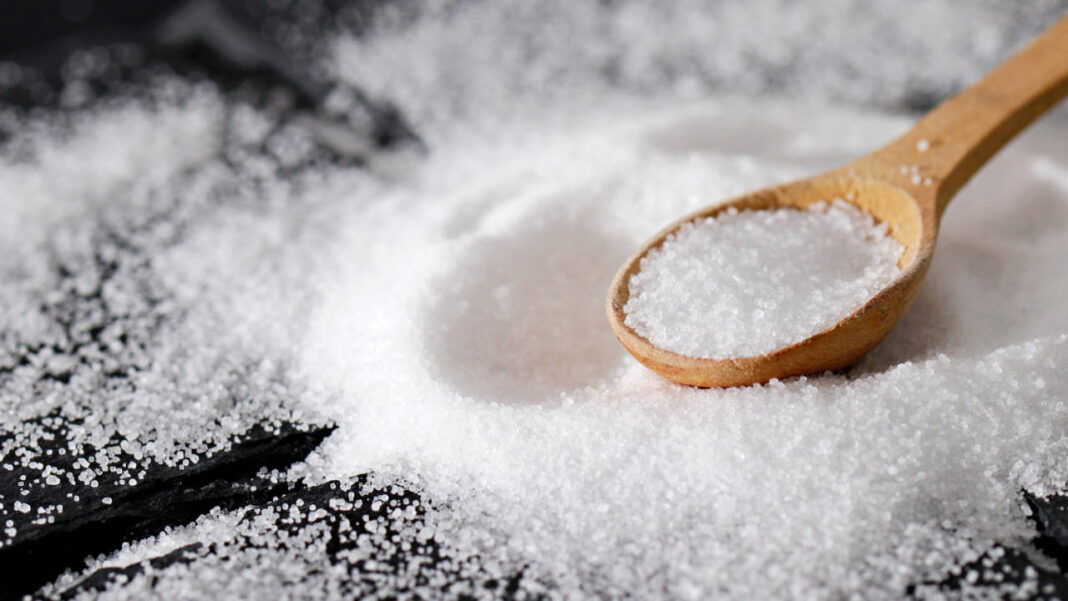
Regular table salt is made of sodium chloride. Potassium-enriched salt replaces some of the sodium chloride with potassium chloride. According to the researchers, it looks, tastes and cooks like regular salt, so most people would not notice the difference.
The change matters because of how these two minerals affect the body. Too much sodium and too little potassium are both well-established causes of high blood pressure. High blood pressure is a major risk factor for strokes, heart attacks and kidney disease.
Professor Bruce Neal, a Senior Professorial Fellow at The George Institute, explained that the new salt deals with both dietary problems at once, cutting sodium while boosting potassium, and that this brings significant health benefits.
A huge global problem
The scale of the problem is large. About one in three adults aged 30 to 79 has high blood pressure, which is around 1.4 billion people. Cardiovascular disease, which covers conditions affecting the heart and blood vessels, is the world’s leading cause of death and disability. It caused 19.2 million deaths in 2023, nearly 50 percent more than 30 years earlier.
In 2025, the World Health Organization endorsed potassium-enriched salt as a way to lower blood pressure and reduce the risk of cardiovascular disease.
The numbers
The researchers tested several scenarios, from every household and food manufacturer making the switch to much more limited changes.
If all salt were replaced, the study estimates about 2.96 million deaths and 10.17 million cases of heart and kidney disease would be prevented each year among the world’s 4.6 billion adults. Neal said this could avert as many as one in ten cardiovascular deaths in most countries.
Smaller changes still showed big gains. If only table salt used at home were swapped, about 1.85 million deaths would be prevented each year. If only salt in processed and restaurant foods were changed, the figure was 1.56 million.
Even a very targeted approach helped. If only people with diagnosed high blood pressure switched their home salt, an estimated 590,000 deaths would be prevented each year.
The biggest numbers come from the most populous countries. A full switch could prevent roughly 1.08 million deaths a year in China and about 400,000 in India. In the United States the figure was around 105,000, and in the United Kingdom about 13,000. For Australia, it was about 2,000.
Is it safe for everyone?
The researchers acknowledge one concern. People with advanced kidney disease can struggle to clear potassium from their blood, which can cause dangerously high potassium levels. The same applies to people taking certain medications that raise blood potassium.
The study found that even among patients with advanced kidney disease, the benefits outweighed the risks. Even so, Professor Vivek Jha, a kidney specialist at The George Institute in India, said people with serious kidney disease and those on such medications should take extra care. He added that the risks can be managed well through educating patients, clear product labelling and medical supervision. Anyone in these groups should talk to their doctor before changing their salt.
What happens next?
Neal acknowledged that moving the whole world to potassium-enriched salt is an ambitious goal. He said the findings are meant as a starting point to get countries thinking about the opportunity, which he noted could deliver far greater benefits at far lower cost than many drug-based treatments.
Making it work will take different strategies in different places. In countries where most salt comes from the home salt shaker, the focus would be on household products. Neal said the food industry in Europe and North America, where more than 70 percent of salt intake comes from processed and restaurant foods, would need to join in to deliver the biggest benefits. Producers would also need to find ways to make much more potassium chloride to meet demand.
The figures come from a computer modelling study, meaning they are estimates of what could happen rather than results from people who actually made the switch.