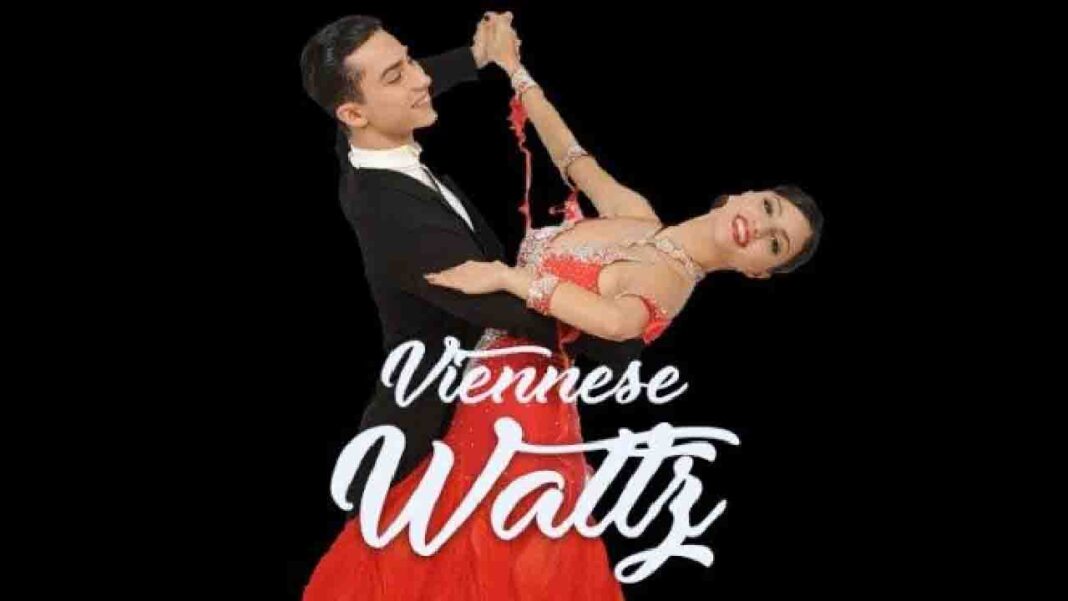
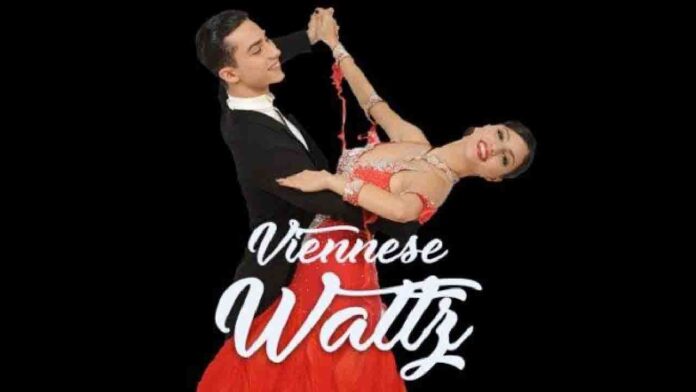

The Viennese Waltz is a lively, vigorous dance, once considered a scandalous dance which later transformed into a Viennese icon. Owing to its quick rotations and close hold, it was known as the ‘Forbidden dance’. Technically the oldest of all current ballroom dances, back in the 13th century, the first waltzes were performed in Germany and Austria. The Viennese Waltz was developed more directly from the Landler, the Dreher, the Schleifer and the Deutscher during the 18th century, being local folk dances of Bavaria and Austria. Their character went through an immense transformation when people living in these areas adopted these dances.
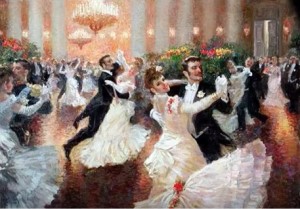
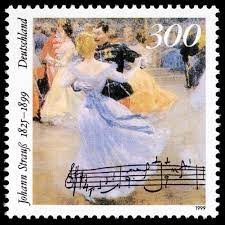
With the music getting faster and faster with the growing popularity of the dance, the Viennese Waltz is significantly faster paced than the Waltz (which is often referred to as the ‘Slow Waltz’ for this reason), which developed in the early 1900s). It was danced during the 17th century in ballrooms of the Habsburg court, and by the end of the 18th century, this dance, which was once an Austrian peasant dance, was accepted by high society. Other nations immediately picked up the style, and each created its form and style of dance. The form we are familiar with today emerged from the suburbs of Vienna and Austria’s mountain regions.
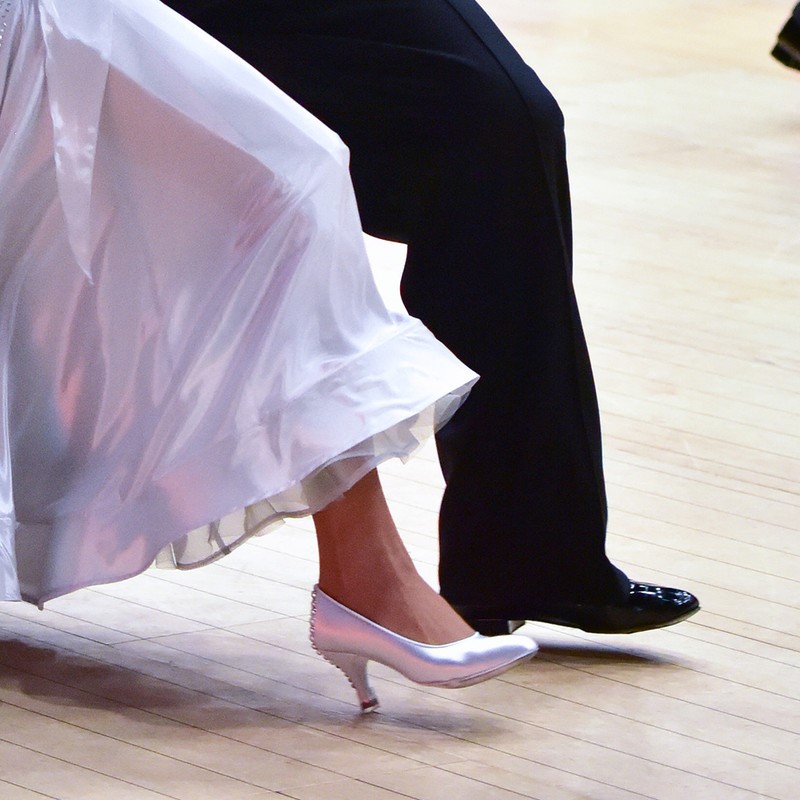
The dance popularly known as the Waltz is the English or the Slow Waltz and is danced at 84 – 96 beats per minute while the Viennese Waltz is performed at 120 -180 beats per minute.

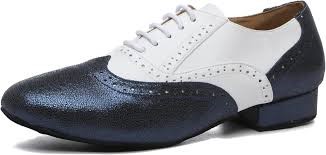
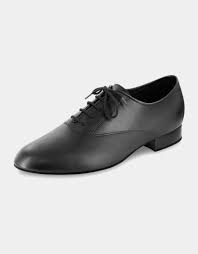

Sometime during the early 1800s popular Austrian composers began to increase the number of measures per minute of their Waltzes, which caused dancers to acquire greater endurance and technique since they execute non-rotating change steps when performing their moves. This faster and more intense version of the waltz allows dancers to evolve through several dance positions and styling for optimal storytelling, becoming known as the Viennese Waltz.