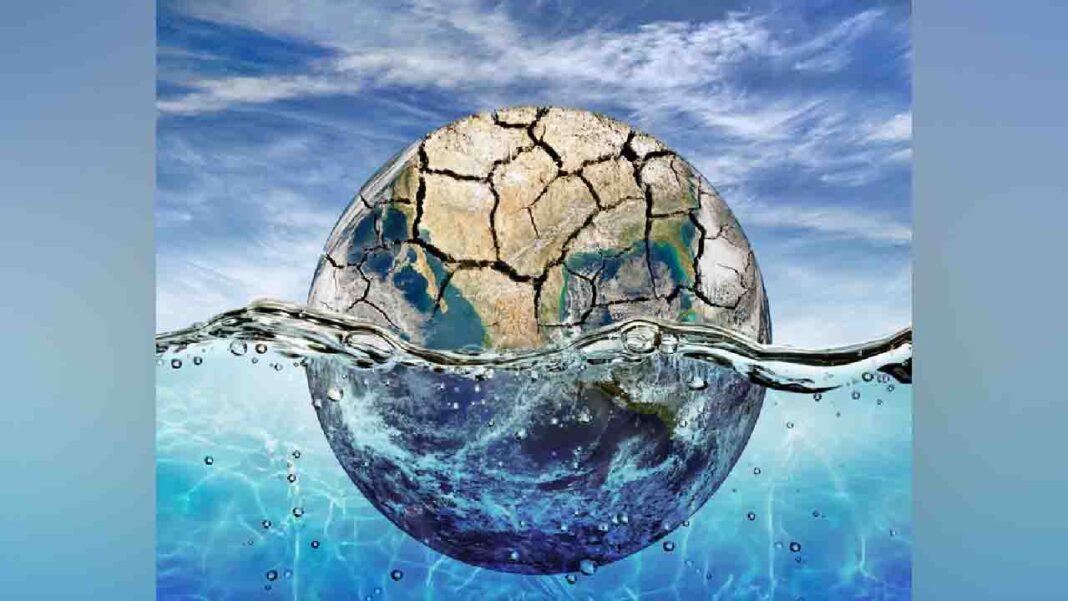
Brace for the alarming reality of Water Scarcity!

- Advertisement -

Water, the source of life, sustains our planet and all its inhabitants. Yet, despite its abundance, water scarcity has emerged as one of the most pressing global concerns of our time. As population growth, climate change, and unsustainable practices take their toll, access to clean and safe water has become a luxury for millions around the world. It is imperative that we understand the gravity of this crisis and take immediate action to preserve this precious resource for future generations.

The Alarming Reality:

Water scarcity affects every corner of the globe, transcending geographical, economic, and social boundaries. According to the United Nations, nearly 2.2 billion people currently lack access to safe drinking water, while 4.2 billion experience severe water scarcity at least one month per year. These statistics paint a dire picture of the challenges humanity faces in securing this basic human right.
Causes and Impacts:

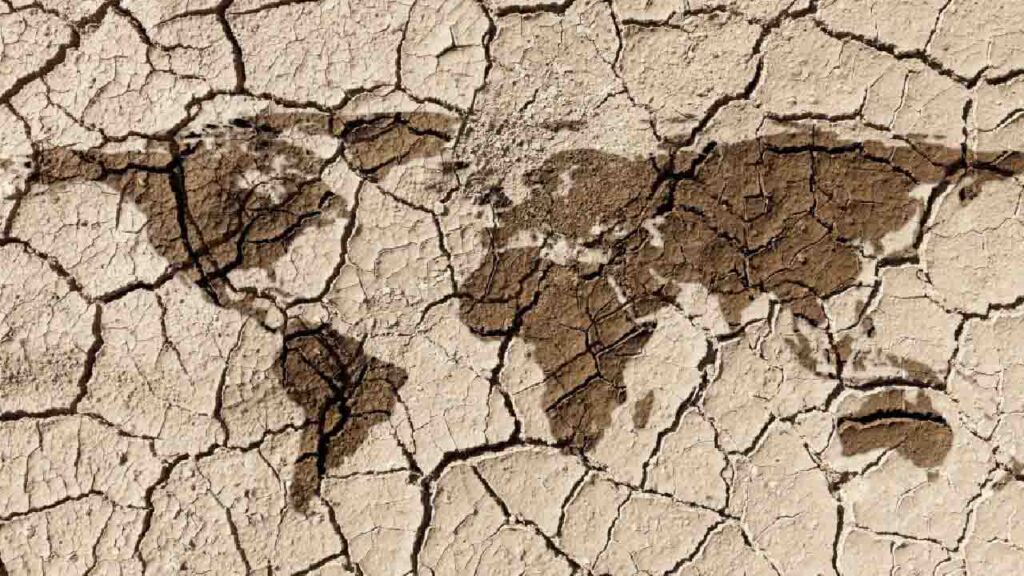
Multiple factors contribute to the growing water scarcity crisis. Climate change leads to erratic rainfall patterns, prolonged droughts, and the melting of glaciers, disrupting water cycles and reducing freshwater availability. Population growth and urbanisation strain existing water resources, exacerbating the issue. Additionally, unsustainable agricultural practices, industrial pollution, and inefficient water management further deplete water supplies.
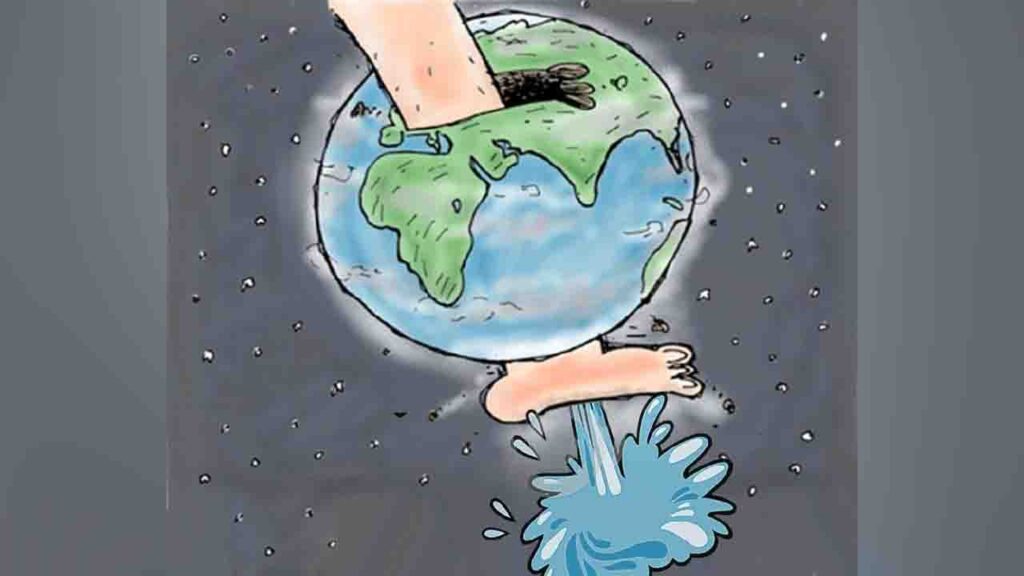
The consequences of water scarcity are far-reaching and profound. Lack of access to clean water hampers sanitation efforts, leading to the spread of waterborne diseases and threatening public health. Inadequate water for agriculture jeopardises food security, causing hunger and exacerbating poverty. Social and economic instability can ensue as communities compete for limited water resources, potentially leading to conflicts and displacements.

Sustainable Solutions:
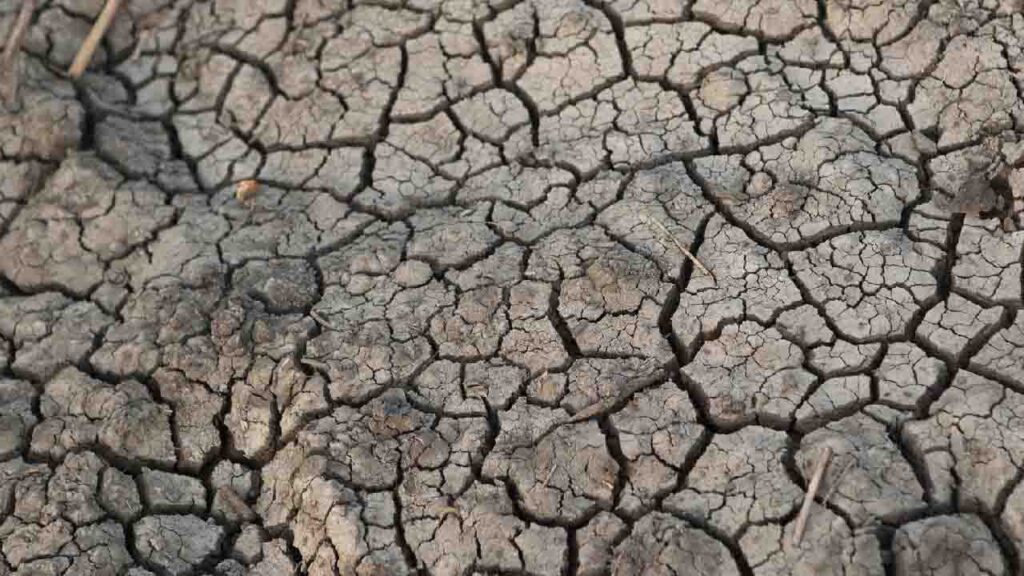
Ground dries and cracks from lack of water, in Bol, the capital of Lac Region. The edge of Lake Chad – once one of Africa’s largest freshwater lakes – used to border Bol, but the lake has shrunk by some 95 per cent since 1960 and now lies several kilometres away from the town. The shrinkage is also linked to water shortages, food scarcity and malnutrition. In April 2011 in Chad, malnutrition – a preventable condition – remains one of the greatest threats to children’s right to survival and development. One out of every five of Chad’s children dies before her/his fifth birthday. More than 100,000 of the country’s children aged 0–5 are malnourished, and 1 out of every 10,000 dies each day. Though chronic food insecurity is the main underlying cause of malnutrition, widespread poverty, rising food prices, desertification and climate change all play a part in this silent emergency. UNICEF is working with the Ministry of Health and other partners to improve community-based interventions structured around 205 nutrition centres throughout Chad’s Sahel belt. Between January and October 2011, these centres treated approximately 56,000 under-five children suffering from severe acute malnutrition. The effects of chronic malnutrition have only been exacerbated by conflict – both internal and external – that has left hundreds of thousands of internally displaced persons as well as refugees from Sudan and the Central African Republic dependent upon aid for survival. In addition to nutrition, UNICEF is also supporting programmes in other vital sectors, including education, health care, WASH (water, sanitation and hygiene) and child protection, for both Chadian and refugee communities. UNICEF is requesting US$46.4 million to continue ongoing assistance for the country’s most vulnerable in 2012.

Addressing water scarcity requires a comprehensive and multi-faceted approach that encompasses conservation, efficient water management, and sustainable practices. Here are some key strategies:

  • Water Conservation: Encouraging responsible water usage at individual and community levels is crucial. Simple actions like fixing leaks, using water-efficient appliances, and practicing mindful consumption can make a significant difference.
  • Rainwater Harvesting: Capturing and utilising rainwater through collection systems can provide an additional source of freshwater, particularly in regions with limited access to surface or groundwater.
  • Efficient Irrigation: Promoting modern irrigation techniques, such as drip irrigation and precision agriculture, minimises water wastage in farming and increases crop yields.
  • Improved Infrastructure: Investment in water infrastructure, including storage facilities, treatment plants, and distribution networks, helps optimise water supply and minimise losses.
  • Collaboration and Governance: International cooperation, sustainable water management policies, and integrated governance systems are essential to address water scarcity at a global scale.

Water scarcity poses a grave threat to human well-being, ecological balance, and sustainable development. It demands immediate attention and concerted efforts from governments, organizations, communities, and individuals worldwide. By recognizing the urgency of this crisis and implementing sustainable solutions, we can ensure equitable access to clean water, safeguard public health, mitigate conflicts, and create a resilient future for generations to come.

Let us not wait for water scarcity to reach catastrophic proportions. It is our collective responsibility to cherish, protect, and conserve this invaluable resource. By taking action today, we can pave the way for a world where every person has the fundamental right to safe and sufficient water, fostering a more sustainable and harmonious planet for all.


Hot this week

What Changes Could the Czech Republic See Under Babiš’s New Majority Coalition?

Andrej Babiš has returned to the helm of the...

Meet the Loafers: Turning Celebrities into Accidental Twins

There is an unspoken language of style that seems...

Will Australia’s Under-16 Social Media Ban Actually Protect Teens—or Create Bigger Problems?

Australia introduced its groundbreaking regulatory measure, effective 10 December...

No more showers: This unbelievable Human Washing Machine can clean you in minutes!

India (Commonwealth Union)_ A new capsule-style “human washing machine”...

Google, Meta, OpenAI, Microsoft, and now Amazon: Why are big techs suddenly racing into India’s AI goldmine?

India (Commonwealth Union)_ A wave of massive tech investments...
- Advertisement -

Related Articles

- Advertisement -sitaramatravels.comsitaramatravels.com

Popular Categories

Official Public Notice: Fraudulent Use of the “Commonwealth Union” Name

It has come to our attention that certain individuals and entities have been fraudulently using the name “Commonwealth Union Cryptocurrency Limited” and circulating forged documents—sourced without authorization from publicly available filings on the UK Companies House website—to misrepresent an affiliation with the Commonwealth Union, its subsidiaries, or any associated companies. We categorically and unequivocally disavow and condemn these activities.

We have identified that these actors have been promoting scams and pyramid-style schemes across various social media platforms, including TikTok and Telegram. These schemes falsely claim, among other things, that they:
• Hire individuals as “TikTok promoters” with purported daily payments of £175;
• Provide £20 daily check-in bonuses and £50 referral rewards;
• Require victims to register on fraudulent websites such as hdbtccof.com and other imitation platforms.

Any job offer, contract, certificate, website, or digital communication using the Commonwealth Union name in connection with these schemes is entirely fake.
For absolute clarity:
• We do not recruit through unsolicited WhatsApp, Telegram, or social-media messages.
• We do not pay individuals to create or post TikTok videos.
• We do not ask anyone to deposit money to “activate” an account, unlock earnings, or participate in any investment programme.
• Our legitimate services are conducted exclusively through our official and publicly listed platforms and communication channels.

If you have been approached by anyone claiming to represent “Commonwealth Union,” “Commonwealth Union Cryptocurrency Limited,” or any purported affiliate or subsidiary for the purpose of offering jobs, investments, referral payments, or cryptocurrency-related opportunities, you are strongly advised to treat such contact as fraudulent. Do not send money or provide personal information under any circumstances.

These criminal actors are deliberately misappropriating our name, as well as those of other unaware Companies, forging documents and certificates, and unlawfully reproducing our branding in order to operate completely fraudulent social media promoter and cryptocurrency investment schemes.

If you wish to verify any claim of affiliation or have concerns regarding suspicious communications, please contact us directly at info@commonwealthunion.com.
The Commonwealth Union remains committed to integrity, transparency, and the protection of the public from deceptive and unlawful behaviour.

Commonwealth Union

Commonwealth Union
Privacy Overview

This website uses cookies so that we can provide you with the best user experience possible. Cookie information is stored in your browser and performs functions such as recognising you when you return to our website and helping our team to understand which sections of the website you find most interesting and useful.