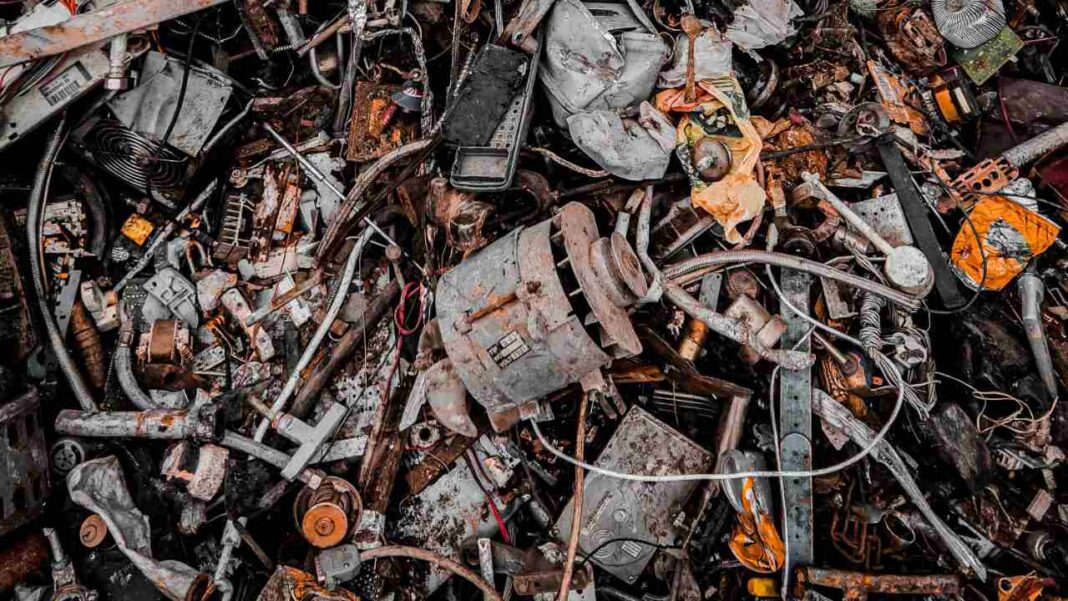

NICOSIA, Cyprus, October 15, 2026—What happens to old mobile phones, obsolete laptops, or washing machines that have served their purpose? In Cyprus, according to new EU statistics, this normal inquiry has been turned into a worrying environmental issue, as the country reported the EU’s lowest per capita electronic waste collection in 2024.
As figures published by Eurostat—the EU’s statistical organization—showed on October 14, 2026, Cyprus collected a mere 4.7 kg of waste electrical and electronic equipment for 2024, followed by Portugal with 6.0 kg and Malta with 6.4 kg. At the top of the rating was Bulgaria with 18.9 kg per person in 2024, followed by Czechia with 17.8 kg and France with 17.7 kg.
It is intriguing to see that, in addition to the significant difference in electronic waste collection, the amount of newly marketed electrical and electronic equipment per person is also low in Cyprus. In 2024, the nation recorded only 15.4 kg of new electrical and electronic equipment per resident, which nevertheless is greater than the 4.7 kg of electronic waste collected per person.
This does not mean that even just bought devices have already been considered waste. The reality is that electronic devices can remain in use for many years. Nevertheless, the statistics point out an important issue: when the devices are no longer usable, where will they go?
The difference in electronic waste management between the EU and other regions is significantly larger. In 2024, one resident of the EU was responsible for 32.4 kg of new electronics input while only collecting 12.3 kg in waste. The input number was 79% higher than in the 2015 statistic, which was 18.1 kg. One of the largest contributors to the increase was washing machines, dishwashing machines, and photovoltaic elements.
E-waste is a term used to call various kinds of waste. Smartphones, light bulbs, hairdryers, household appliances, and even solar panels could be classified as e-waste. Proper retrieval of these items makes possible the reuse and recycling of valuable materials instead of throwing them away.
Nonetheless, statistics in this case do not imply that the low figure presented by Cyprus leads directly to an increased incidence of illegal waste disposal. According to Eurostat, products like electronic appliances can either stay functional, be stored in homes, or get into the hands of illegal waste-collecting companies. Additionally, challenges in reporting borderless e-commerce and illegal producers can result in published figures being underestimated.
The figure of 4.7 kg of waste per person in Cyprus brings an interesting question connected to the circular economy in Europe, which is whether collection systems in place are efficient enough and whether authorities know of the final destination of unwanted electronics. Improving access to the collection process and public accountability should help ensure that tomorrow’s obsolete appliances are transformed from an invisible hazard to a resource for recovery.