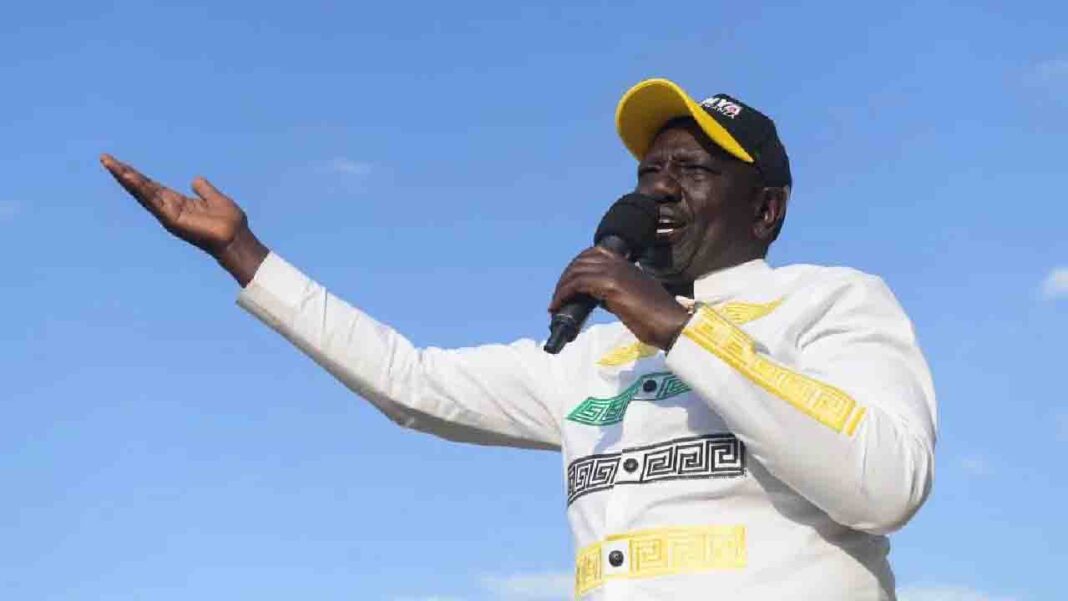
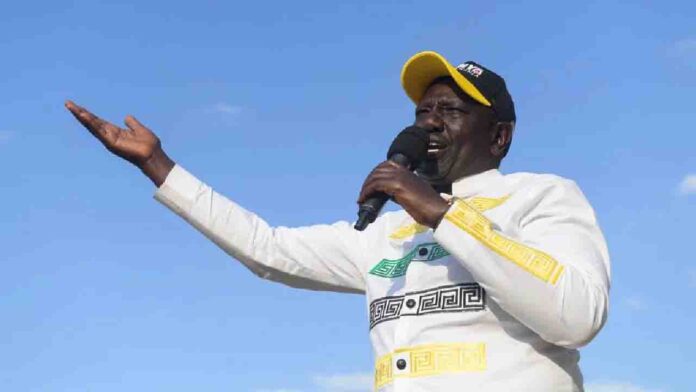

Africa (Commonwealth Union) _ After a day of clashes between police and protesters, Kenya’s President William Ruto issued a stern warning to the opposition coalition that called for three days of anti-government protests. Speaking in Isiolo, eastern Kenya, Ruto accused the opposition of sabotaging the economy through recurrent protests, emphasizing the need to protect the country and its democracy.
Protests erupted in Nairobi’s largest slum, Kibera, where police used tear gas and live rounds against demonstrators who responded by throwing projectiles. However, on the following day, shops and schools reopened, and the capital’s business district resumed activity, which had been largely shuttered during the unrest.
The Independent Medico-Legal Unit watchdog reported six deaths on the first day of the opposition’s protests, which intensified worries and anger among Kenyans due to the escalating cost of living and the implementation of new taxes on petroleum products. The protests have taken a toll on the economy, with the Kenya Private Sector Alliance estimating that each day of protest costs around three billion shillings ($21.8 million).
In an effort to address the escalating tensions, leading newspapers published a joint editorial urging President Ruto and opposition leader Raila Odinga to hold talks. The tension between the two politicians has been heightened since Ruto’s election, which Odinga contests as illegitimate and blames for the cost-of-living crisis.
While Odinga had previously called off protests after Ruto agreed to dialogue, the talks broke down, leading to the resurgence of demonstrations. Ruto emphasized that protests are not a solution to the nation’s problems, and analysts pointed out that the protests have further burdened a population already struggling with galloping inflation and economic challenges.
With many Kenyans living hand to mouth, the three days of protests a week seem overwhelming for the citizens. Analysts warned that if the protests continue with violence and looting, they may lose purpose, and the leaders could lose credibility.
In the past, opposition protests had continued after Odinga’s election loss in 2017 until he brokered a surprising pact with former President Uhuru Kenyatta, known as “the handshake,” to ease tensions and work towards national unity.