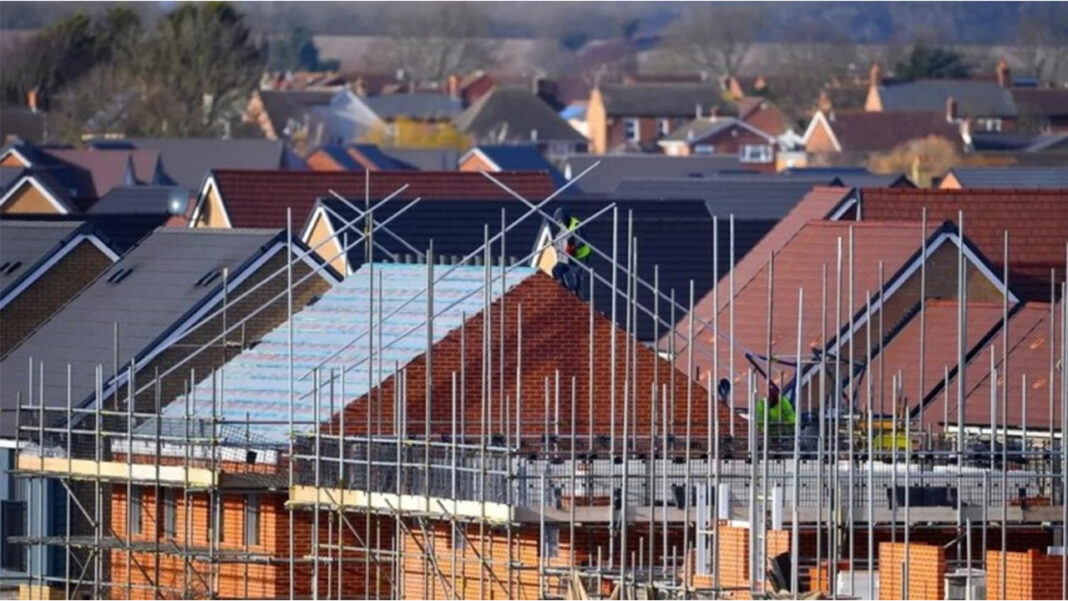

Commonwealth _ In the ever-evolving landscape of housing and urban development, the United Kingdom has faced its fair share of challenges in recent years. One particularly concerning trend that has emerged is the record-low number of new dwellings granted planning approval in England. This phenomenon has raised questions about the nation’s ability to address its housing shortage, tackle affordability issues, and provide adequate accommodation for its growing population. Before delving into the current situation, it’s crucial to understand the planning approval process in England. This process involves local authorities reviewing and granting permission for new residential developments. These authorities assess various factors, including the impact on the environment, infrastructure, and local communities, before granting or denying approval. Recent data and reports have highlighted a troubling trend in the realm of housing development. According to figures from the Ministry of Housing, Communities, and Local Government, the number of new dwellings granted planning approval in England has reached an all-time low in recent years. The statistics reveal a significant decline in the approval rates of planning applications, leaving many proposed housing projects in limbo.
Several factors contribute to the record-low number of new dwellings granted planning approval in England. England’s planning system is known for its complexity. Developers must navigate a web of regulations, policies, and guidelines, which can lead to lengthy approval processes and increased costs. Many local communities express concerns about the impact of new developments on their surroundings. NIMBYism (Not in My Back Yard) is a prevalent sentiment, and this local opposition can delay or halt projects. Inadequate infrastructure, including transportation, utilities, and schools, can pose hurdles for planning approvals. Developers often face demands to fund or upgrade local infrastructure as part of their projects. The issue of affordability in housing remains a significant concern. Some local authorities may prioritize affordable housing quotas in their planning decisions, which can impact overall project viability.
Growing environmental consciousness has led to increased scrutiny of development projects’ ecological impact. Environmental assessments can add time and complexity to the approval process. The implications of the record-low number of new dwellings granted planning approval are far-reaching. England continues to grapple with a housing shortage, exacerbating issues related to homelessness and housing affordability. The scarcity of housing options puts additional pressure on the rental market, leading to higher rents. The construction sector plays a vital role in the UK’s economy. A slowdown in housing development can lead to job losses and reduced economic growth. England’s population is growing, and demographics are shifting. The inability to provide adequate housing can have long-term social and economic consequences. High demand and low supply have contributed to skyrocketing property prices, making it increasingly difficult for many individuals and families to enter the property market. The urban-rural divide is becoming more pronounced as urban areas struggle to accommodate population growth, while rural areas face challenges associated with infrastructure and amenities. To address the record-low number of new dwellings granted planning approval in England, several measures can be considered. Streamlining the Planning Process: Simplifying and streamlining the planning process can reduce delays and costs associated with housing developments. Increased investment in infrastructure can alleviate concerns related to capacity and access, making new developments more feasible. Governments and local authorities can incentivize developers to include affordable housing in their projects through financial incentives or streamlined approval processes. Encouraging meaningful community engagement and addressing concerns can help gain local support for housing projects. Balancing the need for housing with environmental protection is crucial. Smart, sustainable development practices can mitigate ecological impacts. The record-low number of new dwellings granted planning approval in England reflects a multifaceted crisis with far-reaching consequences. The housing shortage, economic impact, and affordability crisis are just a few of the challenges stemming from this trend. Addressing these issues will require collaboration among government bodies, local authorities, developers, and communities to find balanced solutions that meet the housing needs of England’s growing population.