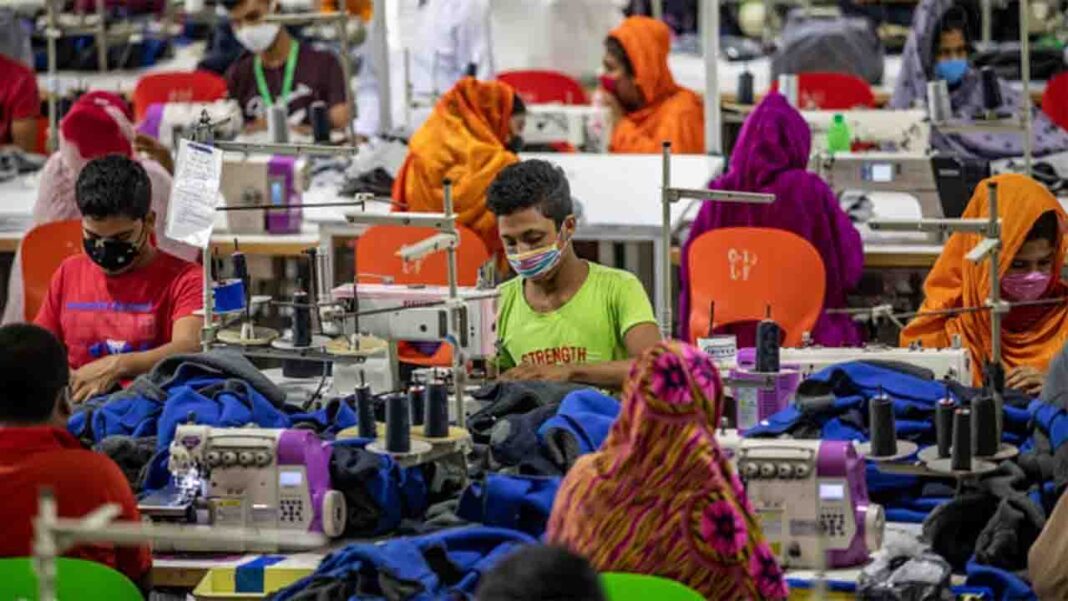

Bangladesh (Commonwealth Union)_ In the stormy landscape of Bangladesh’s garment industry, recent protests by workers have escalated, taking a violent turn over the past two weeks as demands for improved wages resonate among the nation’s four million garment workers. According to reports, clashes between protesters and security personnel have tragically resulted in the deaths of three workers. Allegations from worker unions assert that the police quelled the protests using tear gas and rubber bullets.
Also read: NEED OF THE HOUR… BANGLADESH LAUNCHES A FORCEFUL MEDIA CAMPAIGN TO COMBAT TOBACCO USE
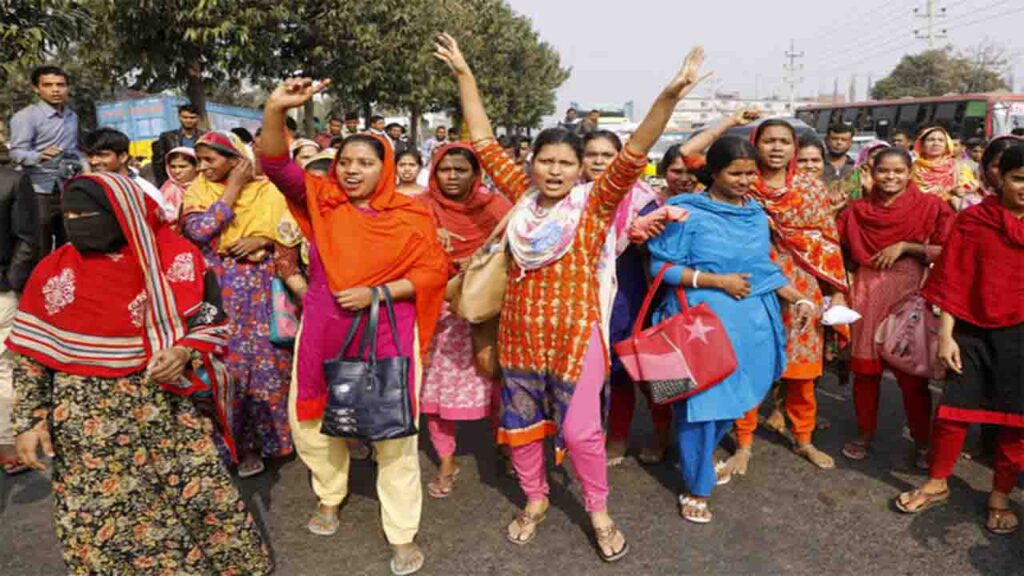
Consequently, 150 factories in the country have been indefinitely shuttered, with charges filed against 11,000 workers for their involvement in the tumultuous demonstrations. Despite the pivotal role played by the garment industry in bolstering Bangladesh’s economy, the miserable working conditions endured by its employees remain a glaring concern. A majority of the four million workers, predominantly women, earn a meager $95 per month, prompting demands for an increased monthly wage of $208. Accordingly, the protests have taken a toll on the nation, leading to the closure of numerous factories and leaving a number of protestors injured.
Also read: BANGLADESH RECEIVES EU SUPPORT FOR RENEWABLE ENERGY
The global response to these events has seen 18 prominent brands, including H&M, Levi’s, Gap, and Puma, address a letter to the Prime Minister of Bangladesh, advocating for peaceful negotiations and urging a minimum wage that adequately covers the basic needs of workers. While these brands lack direct influence over setting the country’s minimum wage, their involvement as key stakeholders underscores their responsibility in fostering fair labor practices.
Elizabeth Cline, a Fashion Policy teacher at Columbia University, emphasized the pivotal role of brands and retailers in pressuring factories, stressing the need to address the broader pricing issue within the fashion industry. She stated, “A lot of the pressure on factories, it does start with brands and retailers, and I think that it’s just a conversation that the fashion industry keeps trying to resist. But if we want to fix wages, we really have to fix the pricing problem.”
The garment industry holds significant sway in Bangladesh, serving as a cornerstone of its economy. With approximately 3,500 garment factories contributing to 85 percent of the country’s annual exports amounting to $55 billion, the industry’s ties to global brands such as Levi’s, Zara, and H&M underscore its profound impact on both the national and international economic landscape. Overall, the ongoing protests and their repercussions shed light on the urgent need for comprehensive reforms within the industry to ensure fair wages and improved working conditions for the millions of individuals who contribute to its success.