
Health UK (Commonwealth Union) – A recent study led by researchers at the University College London (UCL) has uncovered a surprising phenomenon related to slow waves typically observed in the brain during sleep. Contrary to the conventional understanding that these waves only occur during periods of rest, the study found that individuals with epilepsy exhibited these slow waves even during wakefulness. Intriguingly, this occurrence seemed to act as a protective mechanism against heightened brain excitability associated with epilepsy.
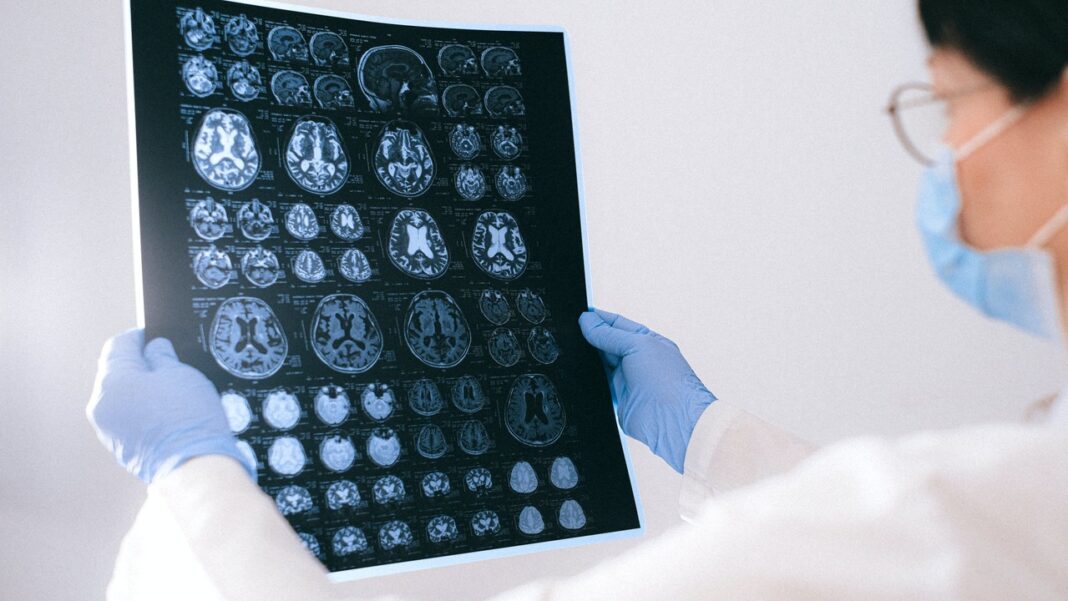
Published in Nature Communications and conducted in collaboration with the National Institute for Health and Care Research (NIHR) UCLH Biomedical Research Centre, the research utilized electroencephalogram (EEG) scans from electrodes implanted in the brains of 25 patients with focal epilepsy. Focal epilepsy is characterized by seizures originating from a specific part of the brain.
The participants engaged in an associative memory task, during which they were presented with pairs of images grouped into sets of three – each set featuring a picture of a person, a place, and an object. The EEG data recorded during this task revealed the presence of short-duration slow waves, lasting less than one second, in the brains of individuals with epilepsy while they were awake and actively participating in the task.
Notably, the occurrence of these slow waves during wakefulness corresponded with increased brain excitability. Moreover, the researchers observed a reduction in the firing of nerve cells during these episodes, suggesting a potential protective effect against epileptic activity.
The study’s senior author, Professor Matthew Walker from the UCL Queen Square Institute of Neurology, emphasized the importance of sleep in the context of brain function. He noted that while sleep is crucial for repairing, maintaining, and resetting brain activity, the findings indicate a unique role for slow waves during wakefulness in individuals with epilepsy. These wake-related slow waves appeared to counterbalance the natural increase in brain excitability during wakeful states, potentially mitigating the impact of epileptic spikes on brain activity.
This discovery opens new avenues for understanding the intricate relationship between brain activity and epilepsy, shedding light on potential mechanisms that could be targeted for therapeutic interventions in the future.
“Recent studies have indicated that a specific form of brain activity, slow waves during sleep, play a crucial role in these restorative functions. We wanted to address whether these ‘sleep’ slow waves could occur during wakefulness in response to abnormal increases in brain activity associated with epilepsy.
“This study unveils, for the first time, a potential protective mechanism, ‘wake’ slow waves, employed by the brain to counteract epileptic activity. This mechanism takes advantage of protective brain activity that normally occurs during sleep, but, in people with epilepsy, can occur during wakefulness.”
As a component of their research, the team also sought to assess whether the presence of “wake” slow waves had any adverse effects on cognitive function.
During the memory task, the researchers observed that these “wake” slow waves led to a reduction in nerve cell activity, consequently influencing cognitive performance and extending the time needed for patients to complete the task.
The team reported a notable correlation: for every additional slow wave per second, the reaction time increased by 0.56 seconds.
Professor Walker indicated that the findings, point out that this observation suggests that the cognitive challenges, particularly memory deficits, faced by individuals with epilepsy may, in part, be attributed to the brief impairments impacted by these slow waves.
The researchers aspire that future studies will explore ways to enhance such activity as a potential novel treatment for individuals with epilepsy.
Lead author Dr. Laurent Sheybani from the UCL Queen Square Institute of Neurology highlighted the intriguing parallel between the function of slow waves during sleep and their beneficial impact in a pathological condition. He noted, that the study suggests that the brain utilizes a naturally occurring activity to counteract pathological activities. However, this comes at a cost, as ‘wake’ slow waves are shown to impact memory performance.