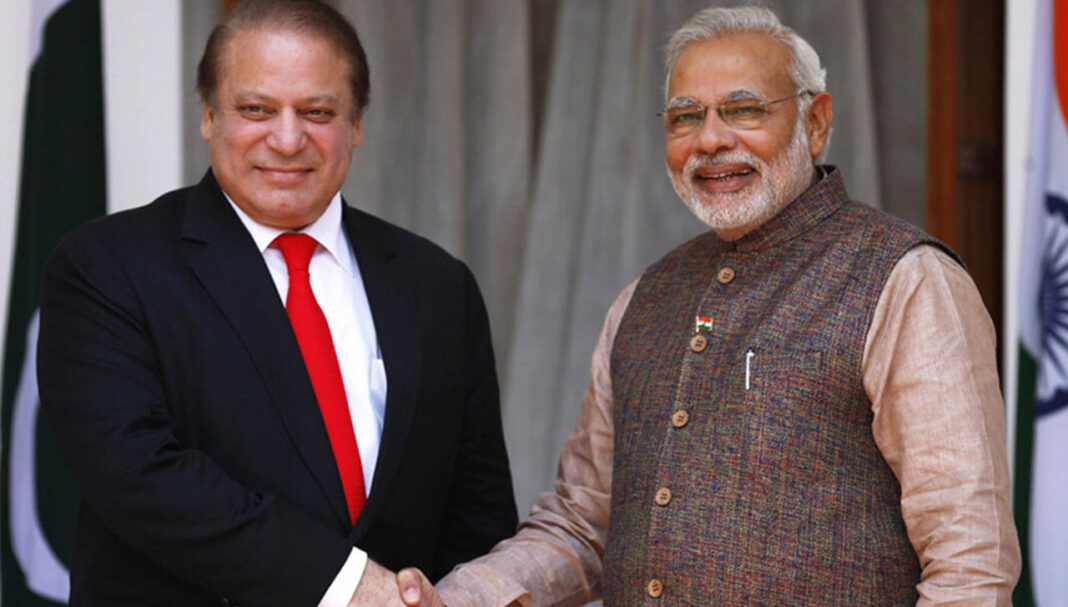
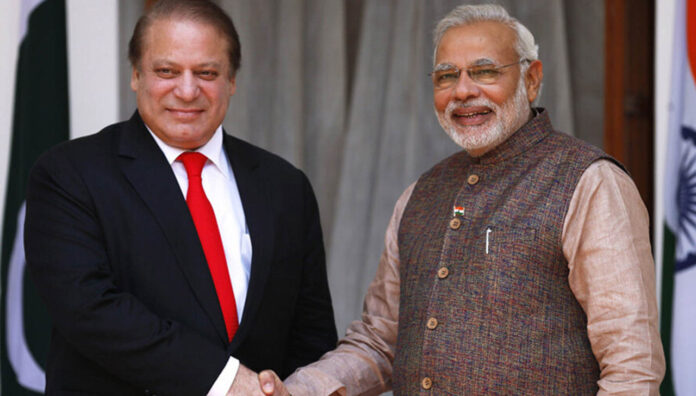

India (Commonwealth Union)_ With the conclusion of the world’s largest electoral process in India, global leaders are still pouring in their wishes for the Indian Prime Minister. Accordingly, former Pakistani Prime Minister Nawaz Sharif conveyed his congratulations to Prime Minister Narendra Modi on his third consecutive election victory, urging a transition from hostility to optimism. Sharif also highlighted the potential for regional cooperation, advocating for a replacement of hate with hope in order to shape the future of the two billion people of South Asia.
Also read: PM Modi’s star-studded oath-taking ceremony
On receiving the messages from both Nawaz Sharif and current Pakistani Prime Minister Shehbaz Sharif, Prime Minister Modi reiterated India’s dedication to peace and security. Modi responded to Nawaz Sharif’s message by appreciating it and affirming India’s enduring stance for peace, security, and progress. He stated, “Appreciate your message @NawazSharifMNS. The people of India have always stood for peace, security, and progressive ideas. Advancing the well-being and security of our people shall always remain our priority”.
Also read: Voters shattered the West’s misconceptions about Indian democracy
Offering warm wishes for his re-election, Nawaz Sharif’s communication underscored the confidence of the Indian populace in Modi’s leadership. Sharif reiterated the call for hope and collaboration, recognizing Modi’s party’s recent electoral success as reflective of public confidence in his leadership. Shehbaz Sharif also conveyed his best wishes to Narendra Modi on assuming office for the third time, to which Modi expressed gratitude for the goodwill. This exchange marks a significant moment, particularly considering Pakistan’s past abstention from extending congratulations to Modi after his electoral victories.
Previously, Pakistan’s Foreign Office spokesperson, Mumtaz Zahra Baloch, had deemed it premature to engage in congratulatory exchanges or discuss future cooperations during the government formation process. Moreover, amidst the historical tensions, including the 2019 Pulwama attack worsening bilateral relations, this communication paves the way for renewed ties. Furthermore, Nawaz Sharif took part in Modi’s first oath-taking ceremony in 2014; however, this time, no Pakistani representatives were invited owing to the strained diplomatic ties.
Additionally, leaders from neighboring nations, including Maldives President Mohamed Muizzu; Nepal Prime Minister Pushpa Kamal Dahal; Bangladesh Prime Minister Sheikh Hasina; Mauritius Prime Minister Pravind Kumar Jugnauth; Bhutanese counterpart Tshering Tobgay; Vice-President of the Seychelles Ahmed Afif; and Sri Lankan President Ranil Wickremesinghe, graced Modi’s oath-taking ceremony at Rashtrapati Bhavan on June 9, emphasizing India’s regional diplomatic endeavors.