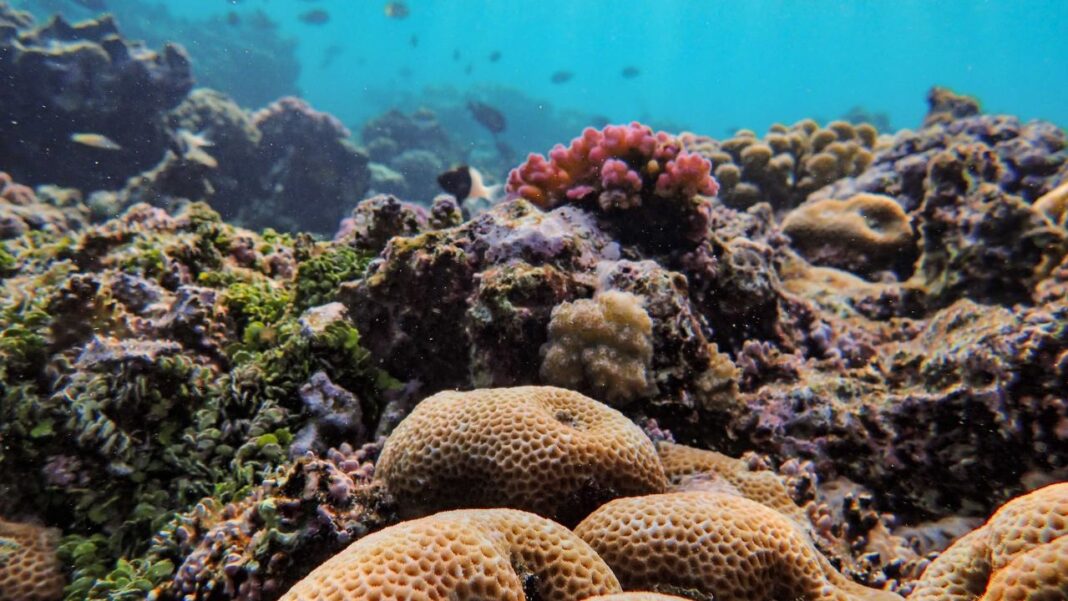
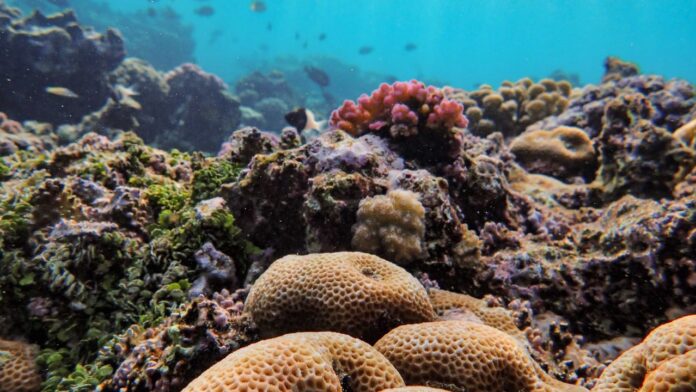

A new University of Georgia study shows that heat and disease together can be deadly for coral reefs. Earlier research linked hot water to more disease and coral deaths. This study found that corals already sick were far more likely to die in the heat. The findings point to a worrying mix for reefs of the future.
Water quality also shapes coral health. Reefs in dirty water often have more disease, and it is usually worse. James Porter, a co-author and professor emeritus at UGA’s Odum School of Ecology, said protecting water is a local job. Cleaner local water, he said, helps corals survive.
The team also found a tip for restoration work. Planting new coral near reef edges gives it a better chance to grow. Camilla Nivison, the lead author and a doctoral student, said restoration should happen where corals are most likely to survive. During the heat wave, some reefs stayed almost untouched. No one knows why, but she thinks the shape of the seafloor may matter.
A Record-Breaking Heat Wave
The scientists studied hundreds of square feet of coral in the Florida Keys in summer 2023. Late summer is hot every year, but 2023 broke every record. Water stayed above 87 degrees Fahrenheit for 41 days in a row. Every summer since has been similarly hot. Longer, hotter heat waves could make things even worse.
Using detailed 3D photos and underwater maps, the team saw heavy bleaching. Bleaching happens when stress, such as heat, hits coral. Normally, beneficial algae live inside coral. When water gets too hot, the coral pushes them out, and its white skeleton shows. Over time, bleached coral becomes weaker and more open to disease and hunger.
Sick Coral Died Far More Often
Heat was the main killer. But disease made things much worse. Coral with disease lesions was almost four times more likely to die from heat than healthy coral. Even healthy tissue next to sick areas was nearly twice as likely to die as tissue far away. Nivison said facing several threats at once makes survival harder.
This situation matters because heat waves are not going away. If sick coral is this fragile, reefs may struggle even more as the oceans continue to warm.
Some corals suffered more than others. Elkhorn coral had giant losses in the 2023 heat wave. Porter said it was once the most common coral in the Caribbean. He compared its loss to oak trees dying from Maine to Florida. Since he began diving in 1972, the world has lost over two-thirds of its living coral.
Edge Coral Fared Better
Location mattered too. Coral on the outer edges of reefs survived the heat better. Water moves faster there, which brings more food and carries away waste. Nivison explained that flowing water removes waste leaking from the coral. This protects its tissue when heat stress is high. So the study suggests planting restored coral near reef edges, where it has a better chance to regrow and thrive. That makes edge sites a smart choice for conservation groups with limited money and time.
Local Action Matters
Cutting coastal pollution also helps. Less pollution means fewer harmful bacteria and fewer extra nutrients, both of which stress coral and can cause disease. Porter emphasised the interconnectedness of coastal oceans and reefs. He added that reefs are vital to people and nature because they hold so much life. No one person can fix the whole planet, he noted. Still, much can be done to cut local pollution and improve water quality. The study was published in the journal Coral Reefs.