
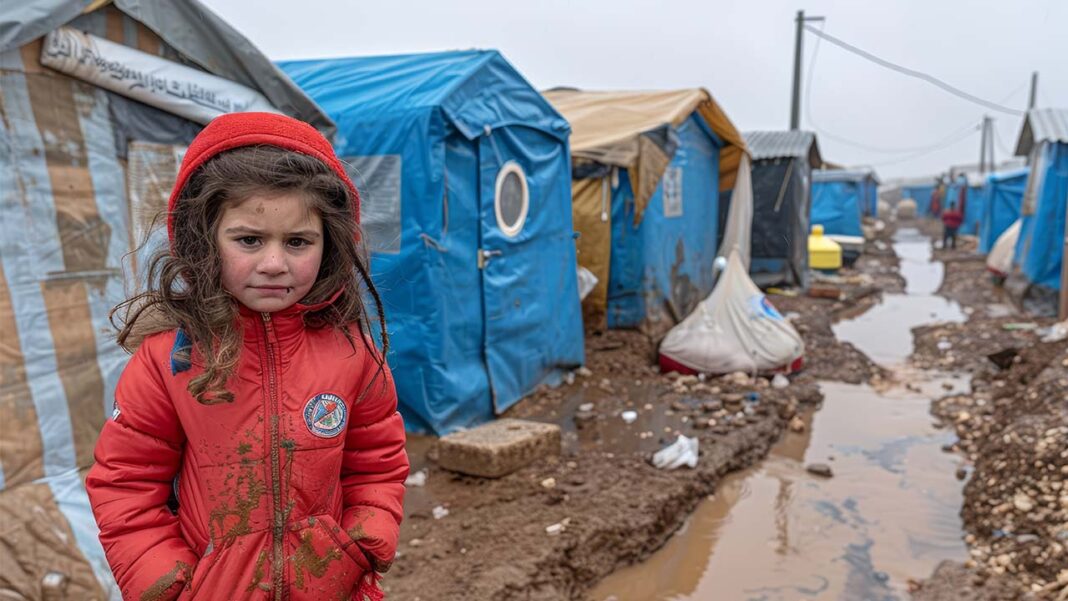

After months of uncertainty and diplomatic pressure, Cypriot authorities have finally resolved the standoff involving dozens of immigrants stranded in makeshift tents along the United Nations-patrolled buffer zone on the island. On Saturday, Deputy Minister of Migration and International Protection, Nikolas Ioannidis, confirmed the relocation of nearly 70 migrants, including individuals from Somalia, Sudan, Congo, Syria, Iran, and Afghanistan, to government-run refugee reception centers across Cyprus.
The situation had begun in mid-June when these migrants, transported by human traffickers from the Turkish-controlled northern part of Cyprus, sought refuge in the buffer zone, an area separating Greek Cypriot and Turkish Cypriot territories. The zone, under the supervision of the United Nations Peacekeeping Force in Cyprus (UNFICYP) since 1974, has long symbolized the island’s division. The UN managed temporary shelters for the migrants over the past four months, and Cypriot authorities faced mounting criticism for not allowing them entry into government-controlled territory. The decision to relocate the migrants came after Cypriot officials reached agreements with several third countries, which have agreed to accept an unspecified number of the migrants.
The move to resolve the situation came after increasing pressure from European and international bodies. The European Court of Human Rights (ECHR) had issued an urgent request for Cyprus to provide the migrants with “effective access to asylum procedures and adequate reception conditions.” The United Nations High Commissioner for Refugees (UNHCR) echoed this call, urging the Cypriot government to grant migrants access to asylum procedures and international protection. While local media reports suggest that these external pressures influenced the government’s eventual policy shift, Ioannidis defended the decision as in line with Cyprus’ long-standing migration policy. “Our position remains unchanged,” he said. “The Green Line will not become a migrant route, and we will not legalize immigration through the buffer zone by accepting these people.”
Despite the relocation, Ioannidis emphasized that those migrants who are not accepted by third countries would face deportation to their home countries, underscoring the strict approach to immigration enforcements in Cyprus.
The buffer zone, also known as the “Green Line,” has long been a source of division between the Greek Cypriot and Turkish Cypriot parts of the island. Cyprus effectively split into two following Turkey’s military invasion in 1974, in response to a Greek-led coup, with the UN overseeing the buffer zone that separates the territories. The zone has been a focal point of complex geopolitical tensions over the years. Initially, the Cypriot government expressed concerns that allowing the migrants into the buffer zone could encourage further irregular migration, potentially turning the area into a corridor for migrants attempting to cross EU territory.
Cypriot authorities have traditionally been cautious about migration, as the island serves as a key entry point into the European Union for migrants crossing the eastern Mediterranean. In recent years, Cyprus has faced rising numbers of migrants, and the government has been under pressure to balance its humanitarian obligations with concerns about border security and irregular migration. The relocation of the 70 migrants to state-run reception centers represents a compromise, allowing Cyprus to fulfill its international commitments while not conceding to the idea of the Green Line becoming a permanent migrant route. The government has made it clear that it does not intend to create a “backdoor” for migrants seeking asylum in the EU via Cyprus while also signaling its commitment to providing safe and adequate reception for those who meet the criteria for international protection.
The resolution of this standoff marks a significant point in the nation’s ongoing debates surrounding migration and asylum. Although the government has signaled its intention to uphold its migration policies, questions remain about how Cyprus will handle future cases of irregular migration, especially as geopolitical dynamics in the Eastern Mediterranean continue to evolve. After completing the relocation of these migrants, Cyprus must continue to uphold its immigration policies while addressing the escalating humanitarian crises in the region. The situation highlights the complex task of balancing national interests, international obligations, and human rights in a region long divided by political and territorial disputes.


