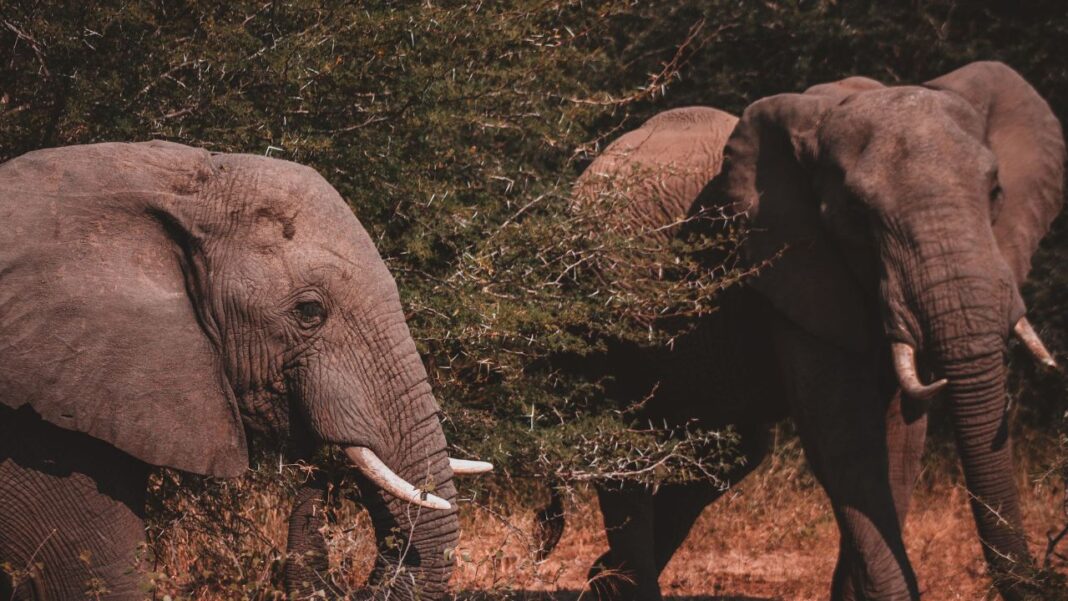

Authorities in Kenya have arrested four individuals as investigations continue regarding the deaths of 18 elephants that took place in the Amboseli ecosystem. This occurrence has raised many concerns over a possible poisoning incident that would have taken place and ended up affecting one of the country’s most important wildlife areas.
The Kenya Wildlife Service (KWS) has officially confirmed that the four individuals who were arrested as persons of interest have since been released on bail. Investigators are also looking for a fifth person who may have relevant information. Authorities have strongly highlighted that the arrests, however, do not establish criminal responsibility and that investigations continue to go on.
Indications have been received from the preliminary laboratory results that a toxic substance may have been a reason for the deaths to take place. Earlier findings gave suggestions that possible cyanide poisoning after the elephants may have consumed pesticide-contaminated tomatoes from farms located near Amboseli National Park could be an example of this. However, some wildlife experts have raised questions about this explanation, stating that other animals in the area have not been reported to go through similar deaths.
The first 15 elephant deaths were recorded between June 24 and July 24, with the animals found across Amboseli National Park, Kimana Sanctuary and the Kuku Ranch area. Reports indicated that some of the elephants experienced partial paralysis before dying within one or two days.
During a search which was held in Tikondo, within Loitoktok sub-county, investigators recovered various substances. Within all of them, they found potentially toxic and unlabelled chemicals. Some were believed to have originated from a neighbouring country. The materials have been secured in order to scientifically examine them further.
The Amboseli ecosystem, which is located near Kenya’s border with Tanzania beneath Mount Kilimanjaro, is an incredibly important habitat for elephants. However, the region has also experienced a human-wildlife conflict that has been going on for quite a long time, with elephants sometimes moving onto agricultural land and damaging crops.
Authorities are continuing to investigate the circumstances surrounding the deaths and determine whether the cases are connected to deliberate poisoning, accidental exposure or another cause.