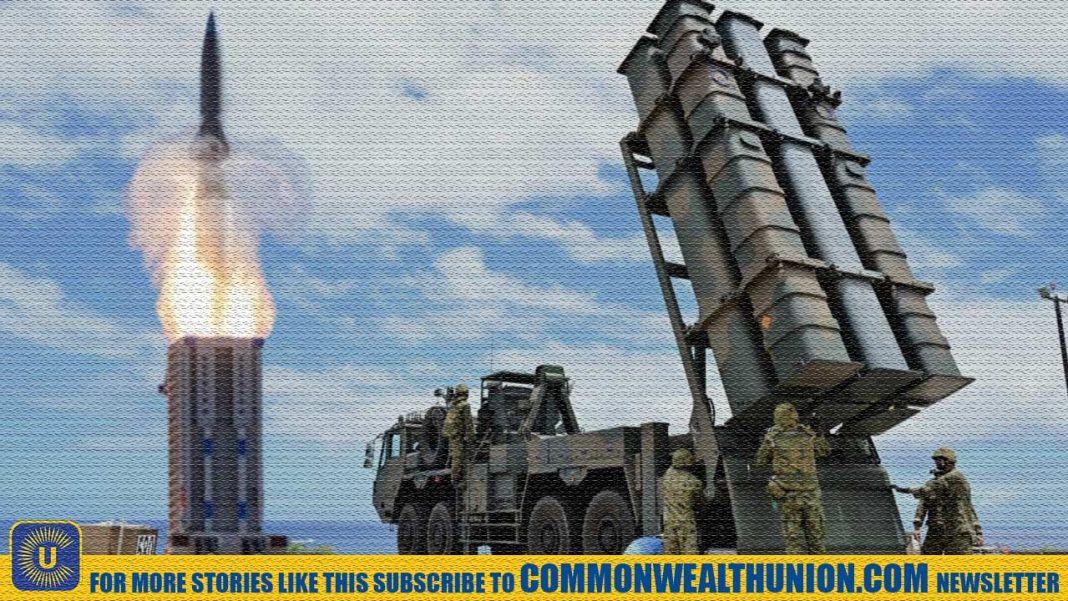


In a bold and provocative military move, Japan is equipping one of its Aegis‑class destroyers with U.S. Tomahawk cruise missiles, extending its strike range deep into neighboring territories. The JS Chōkai is currently en route to the United States for a yearlong deployment during which it will undergo modifications and crew training to enable it to launch Tomahawks.
The Tomahawk is a long‑range, precision land‑attack missile with an approximate reach of 1,000 miles (1,600 km), placing strategic depth deep into neighboring countries.
Japan’s decision to introduce these capabilities marks a historic shift: from strictly self‑defensive postures to a more assertive “strike‑back” deterrence doctrine. This development builds on Tokyo’s earlier agreement with Washington to procure 400 Tomahawk missiles. It is a part of Japan’s plan to modernize all eight of its Aegis destroyers by fiscal year 2027.
Its proponents view this enhancement as a necessary response to the evolving East Asian security environment. Naval expansion by China, successive military incursions along disputed borders such as the Senkaku (Diaoyu) Islands, and doubts over North Korean missile plans are repeatedly cited as key drivers.
However, the move is not without regional tension. Beijing has publicly protested deployments of U.S. missile systems in Japan, including the recently displayed Typhon system, arguing they exacerbate an arms race. Critics also warn that Tokyo’s shift toward offensive capabilities risks undermining its postwar pacifist identity and destabilizing longstanding security norms in the region.
As the JS Chōkai is retrofitted and Japan presses ahead, the Indo‑Pacific security balance may well be entering a new era—one in which long‑range strike capability becomes not just a deterrent but a central feature of power projection across the seas.
Japan’s plan to arm its warships with Tomahawks is a step toward more assertive defense against regional security threats. Although considered defensive, the step aligns Japan with the US and could lead to a Chinese response, fearing more Indo-Pacific military might.