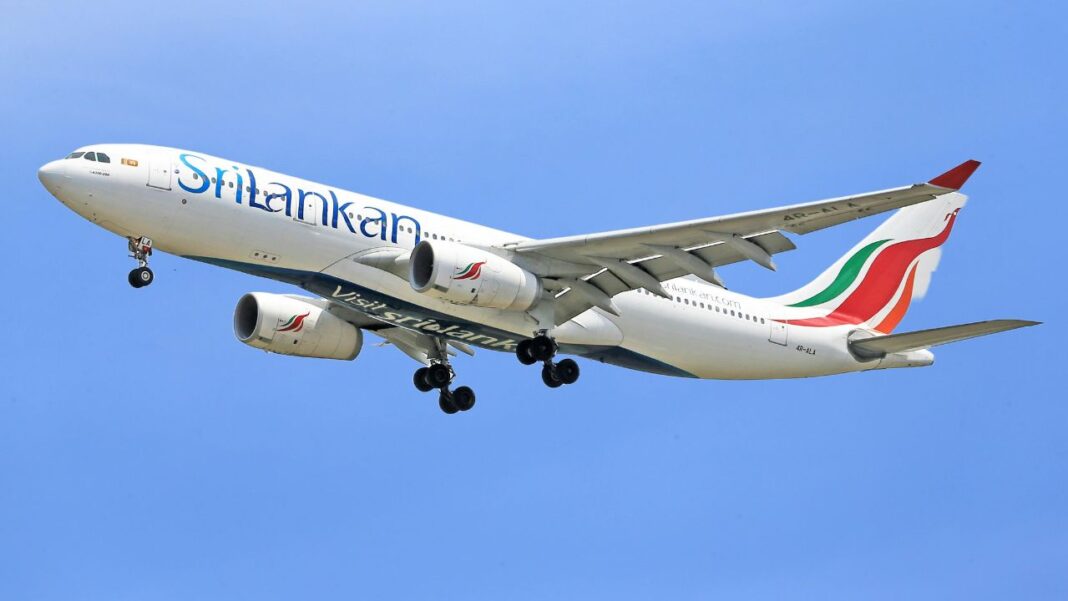

A new air travel bridge between South Asia and Australia is rapidly changing the travel landscape between these two regions. Due to the increasing demand from students, the diaspora, tourists, etc., Sri Lankan Airlines is increasing the number of flights in its Colombo to Melbourne route, thus changing this long-haul route into a corridor of high-frequency flights, connecting not only two cities but also multiple cultures, economies, and travel ecosystems.
Starting August 2026, Sri Lankan Airlines will increase their Colombo/Melbourne flight frequency from seven flights a week to ten flights a week by adding three new flights, getting ready for the increased demand and to provide customers with more options and flexibility in their travel schedules. This change is an indicator of the increased leisure travel, family visiting, and educational travel occurring between Sri Lanka and Australia and demonstrates that Australia is one of the fastest-growing inbound tourism markets for Sri Lanka.
Not only do we have more flights, but there is also a complete change to Sri Lanka’s position within the Asia Pacific Travel Network. More flights mean shorter waiting times, better connections, and enabling Colombo to become a better transit hub for the island to serve as a strategic gateway for Australia and South Asia (i.e., India, Maldives, etc.).
The new flights will give many more options for travel to Sri Lanka from Australia/Asia Pacific (Tuesday, Thursday, and Sunday), will provide even more flexible travel options, and will allow people to depart in the morning from Australia and arrive at a beach destination in Sri Lanka (or somewhere else in that region) with less time spent in transit and greater efficiency for people who have to travel a long distance.
The expansion of Sri Lankan air services is largely driven by the demographic changes affecting the country’s population (i.e., a rapidly expanding expatriate diaspora in Australia) and the current trends among many thousands of Sri Lankan students who are studying at higher education institutions across Melbourne and other Australian cities. Coupled with these factors, there is an increasing demand for tourism from Australia to Sri Lanka as a result of heightened interest in Sri Lankan beaches, wildlife, tea plantations, and its rich culture. The demand for air travel between Sri Lanka and Australia now prioritises frequency as much as it does price.
Moreover, the increase in capacity on the Melbourne route has turned into high-value tourism from an airport destination standpoint; adding an estimated tens of thousands of seats annually is likely to increase revenues from inbound tourism, increase tourism for both countries, and support the hospitality industry in Sri Lanka and the surrounding region. More people travelling is likely to have a knock-on effect beyond tourism alone and positively impact trade missions, conferences, and investment capital movement.
From a strategic perspective, Colombo is better placed to be considered the central location connecting Australia with South Asia. For travelers from major Indian cities, there is a shorter distance to travel to Melbourne via Colombo than through the major traditional hubs, thus enhancing this airline’s relative competitive environment within long-haul networks.
In addition, timing is very relevant because travelers are increasingly using point-to-point transportation connections with regionally linked hubs. The airline is increasing frequency on existing routes rather than opening entirely new destinations, thereby enhancing its existing routes (proven routes) while at the same time expanding its market share. This strategy will reduce the airline’s operational risks while maximising its yield. This approach is the same strategy utilised by airlines that are in the process of rebuilding their long-haul networks.
The introduction of Melbourne’s new service has clearly shown Melbourne’s continued development as a southern gateway to South Asia. With this new service, Colombo will now rise to the status of not just a regional stopover but an important airline hub between South Asia and Melbourne. The introduction of this service will also provide a greater number of options, more efficient coordination, and shorter trip times between two locations that will offer travelers numerous opportunities for cultural exploration, such as access to local festivals, culinary experiences, and historical sites in both Melbourne and Colombo.
The announcement of additional flights between Colombo and Melbourne indicates that strengthening the bonds between Sri Lanka and Australia will yield significant benefits, including increased opportunities for tourist exchanges and a growing level of commerce. With increasing frequencies and connections, the Indian Ocean Corridor is becoming one of the most exciting long-haul routes in the Asia-based travel market.