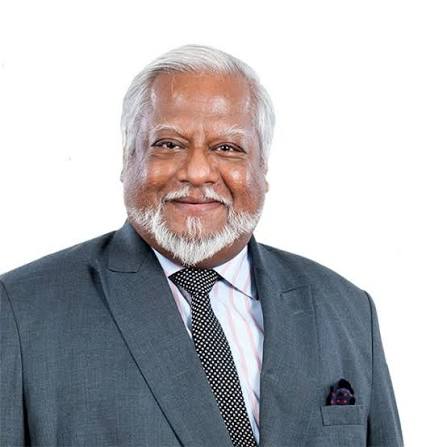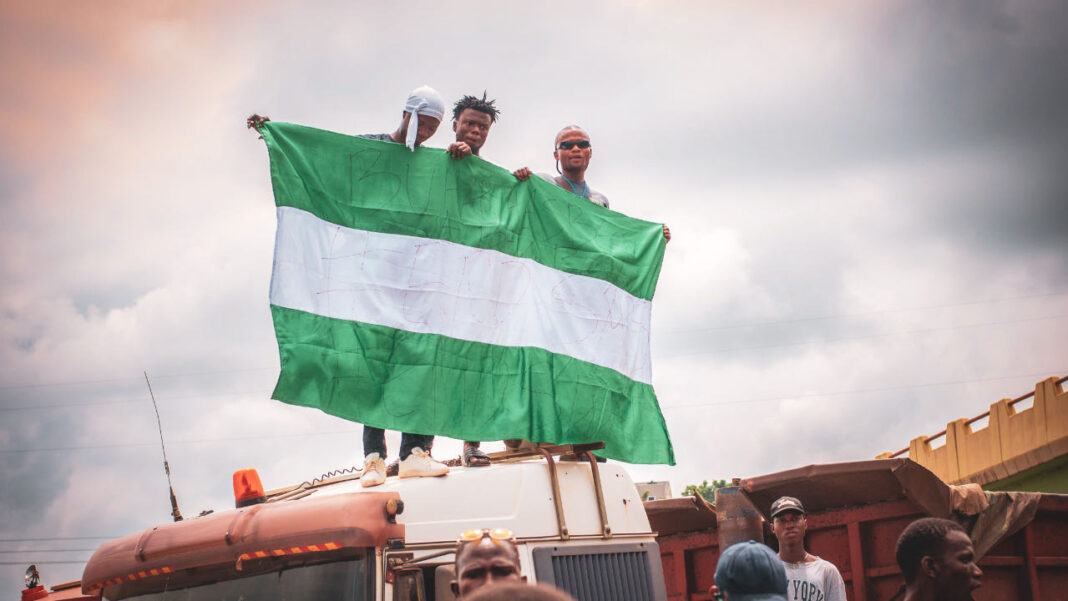


Germany has reconfirmed its commitment to support Nigeria by addressing the escalating security challenges. The two countries have clearly expressed their strong motives to expand their commitment to cooperation. The pledge, renewed by Johann Wadephul, the German foreign minister, during his recent visit to Abuja, followed his earlier visit to the same city. In this visit, the security of the region, trade, investment and development, which would be held long-term, were focal points in discussions.
Speaking next to Bianca Odumegwu-Ojukwu, Nigeria’s foreign minister, Wadephul strongly highlighted that the security situation across the Sahel, which is worsening with time, has become a major concern for the entire West African region. He also stated that the instability in countries like Burkina Faso, Mali, and Niger continues to fuel activities conducted by militant groups linked to the Islamic State and al Qaeda. This instability ends up creating risks that extend beyond national borders.
To assist Nigerians in addressing these issues, Germany has committed €10 million (approximately US$11.4 million). The funds aim to support approximately US$11.4 million. The funds aim to support the reintegration of people displaced by militant violence. Humanitarian efforts will be strengthened, and at the same time, these efforts will also assist affected communities in rebuilding a new and improved livelihood that is more stable in the long term.
Going over the security aspect, governments in both countries have highlighted the importance of growing economic relations. Wadephul explained in detail how Nigeria is West Africa’s largest economy and Germany is the second-largest trading partner in sub-Saharan Africa. Bilateral trade between the two countries has significantly increased by around 10 per cent over the past year, which shows that commercial engagement has been growing despite the uncertainties of the global economy.
Germany also pointed to the strong presence of more than 100 German companies operating across Nigeria in sectors including manufacturing, energy, engineering and services. Officials from both countries expressed optimism that increased investment and closer business cooperation could unlock new opportunities for economic growth, employment and technology transfer.
The discussions emphasised the belief that security and economic development must be pursued simultaneously. The partnership, which was continued from Germany, was welcomed by the Nigerian officials, stating that improved security would end up creating a more stable environment for investment while stronger economic ties would help job creation and sustainable development.