
A crucial discussion is underway in Jamaica about how to fight violent crime while still respecting constitutional human rights. As the United Nations Human Rights Committee reviews Jamaica’s human rights record in Geneva, the Jamaican government has proposed raising the mandatory minimum sentence for illegal possession of firearms from 15 to 20 years in prison. For foreign observers, this shows the tightrope many Commonwealth democracies walk when they try to tackle entrenched gun violence while respecting legal protections and the independence of the judiciary.
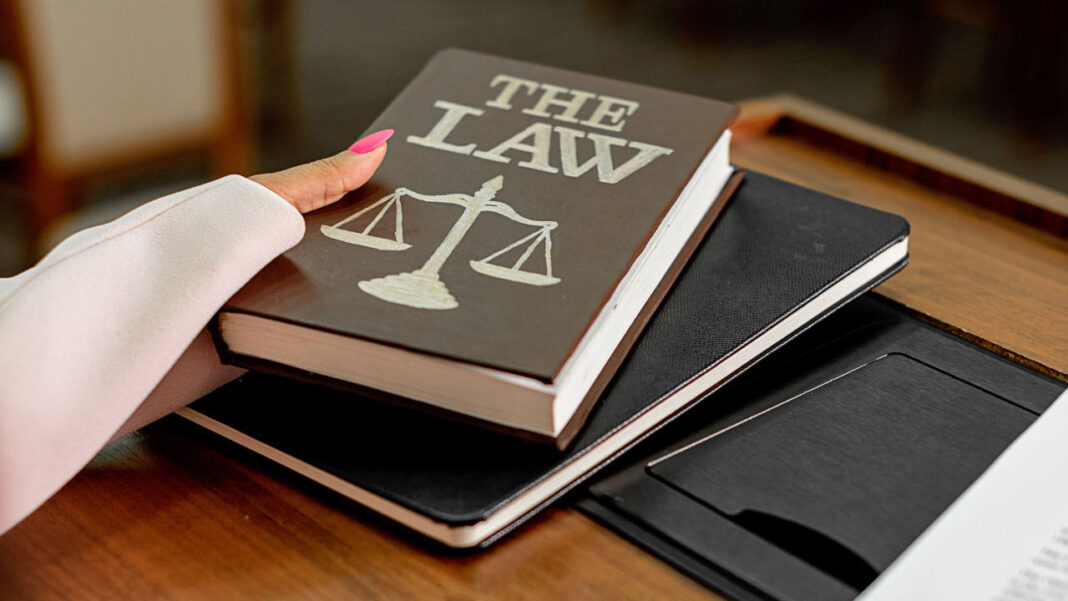
To see why this is so contentious, it helps to understand how a “mandatory minimum” sentence works. Normally, a judge looks at the circumstances of each case, such as whether the defendant was forced into it, their age, and their previous conduct, before deciding on a fitting punishment. A mandatory minimum takes that discretion away. If a person is convicted, the judge cannot legally go below the set sentence, even if 20 years in prison is far too harsh for that person.
The Advocates’ Association of Jamaica has raised strong constitutional concerns about the proposal. It argues that taking away judges’ discretion could lead to sentences that count as inhuman or degrading under the Charter of Fundamental Rights and Freedoms in Jamaica’s Constitution. Legal experts say any strict sentencing scheme should include a safety-valve exception that lets judges use some discretion where a harsh penalty would clearly be unjust.
Meanwhile, Prime Minister Andrew Holness is facing heavy public pressure to stop the flow of illegal weapons and protect at-risk communities. Its security agenda also covers the exploitation of children, with tough new penalties for adults who groom young people to carry, store, or acquire illegal firearms. The government says clear, firm laws are essential to end the gang-driven gun culture that has held back Jamaica’s social and economic development for decades.
At the same time, civic groups such as Jamaicans for Justice have pointed to wider accountability gaps during the UN session. They cite sharp increases in fatal police encounters in recent years and call for body-worn cameras and an independent National Human Rights Institute.
In the end, the debate in Jamaica is not about excusing gun crime. It is about what fair justice looks like. The country needs strong deterrence to keep its citizens safe, but it must also protect judicial oversight so that the justice system stays fair and humane for everyone.