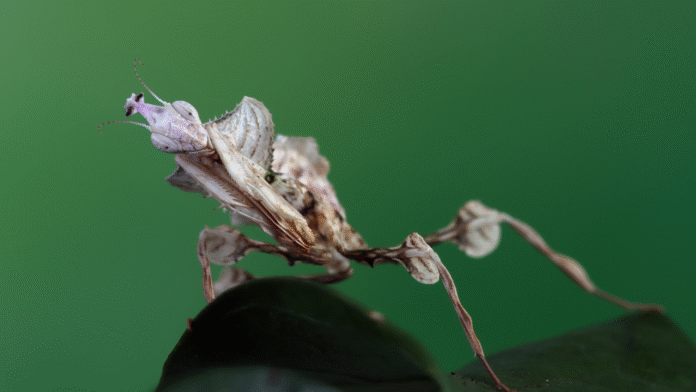

A significant discovery in Australia’s Wet Tropics rainforests has revealed what is likely the continent’s heaviest insect: a newly identified giant stick insect, Acrophylla alta. This impressive creature weighs 44 grams, comparable to a golf ball, and measures about 40 centimeters long. It has caught the attention of both scientists and local residents.
The genus Acrophylla has been known since 1835; however, this particular species was not recognized until recently. Experts believe that its hidden status is mainly due to its isolated living conditions. It should be mentioned that, so far, only two female specimens have been collected for study. A third individual was seen and photographed by locals before being released, highlighting the insect’s rarity and the significance of such encounters.
The Wet Tropics of northeast Australia is a vast and largely untouched wilderness, known for its cool, dense rainforests. This biodiverse area features unique wildlife, including tree kangaroos. The difficult terrain and thick canopy have historically kept many species hidden from humans, making discoveries like Acrophylla alta especially important.
The distribution of Acrophylla alta appears to be very limited. The species has only been seen in mountain ranges over 900 meters high. These sightings have taken place in the towering tree canopies, which can reach up to 60 meters above the forest floor, particularly near Millaa Millaa and Mount Hypipamee in Far North Queensland. The species name, alta, means “high,” which honors both the elevated forests and the tall trees it inhabits.
Angus Emmott, a researcher at James Cook University in Townsville, Australia, shared insights into the insect’s structure and behavior. He mentioned that, despite having “quite substantial wings,” Acrophylla alta’s large body mainly allows it to glide down to the ground. This suggests a lifestyle mostly confined to the upper canopy, with descents probably happening only when necessary.
The true population size and rarity of Acrophylla alta are mostly unknown, a point that Emmott also noted. He explained that their high arboreal habitat makes direct observation very challenging. Chances of human encounters with these unique insects are extremely low unless environmental events like cyclones dislodge them or predatory birds accidentally bring them down. This limited visibility creates a significant hurdle for scientists trying to determine the species’ conservation status and overall numbers.
The discovery of Acrophylla alta highlights firmly the incredible biodiversity still hidden in some of the world’s most remote ecosystems. It further shows the importance of continued exploration and conservation in areas like the Australian Wet Tropics, where even the largest and most striking creatures can remain hidden for centuries. Further research will be crucial to understanding this giant stick insect’s ecology, life cycle, and whether its limited habitat leaves it vulnerable to environmental changes. Ongoing efforts to study and protect such unique species are essential for maintaining the fragile balance of these valuable natural environments.