
Europe UK (Commonwealth Union) – As much of the world adjusts to the severe impact caused due to the impact of the pandemic, the impact on wild life has also seen a significant spotlight with many unusual occurring’s such as certain species appearing in locations least expected.
A study by King’s College London researchers indicates that predatory birds in urban areas are vulnerable to alterations in human activities supporting prey populations.
The disruptions to the peregrine falcon diets when the COVID-19 lockdowns occurred put the spotlight on the effects of human behavior on urban predators. The findings were demonstrated in a recent study co-authored by King’s College London researchers that appeared in the British Ecological Society journal.
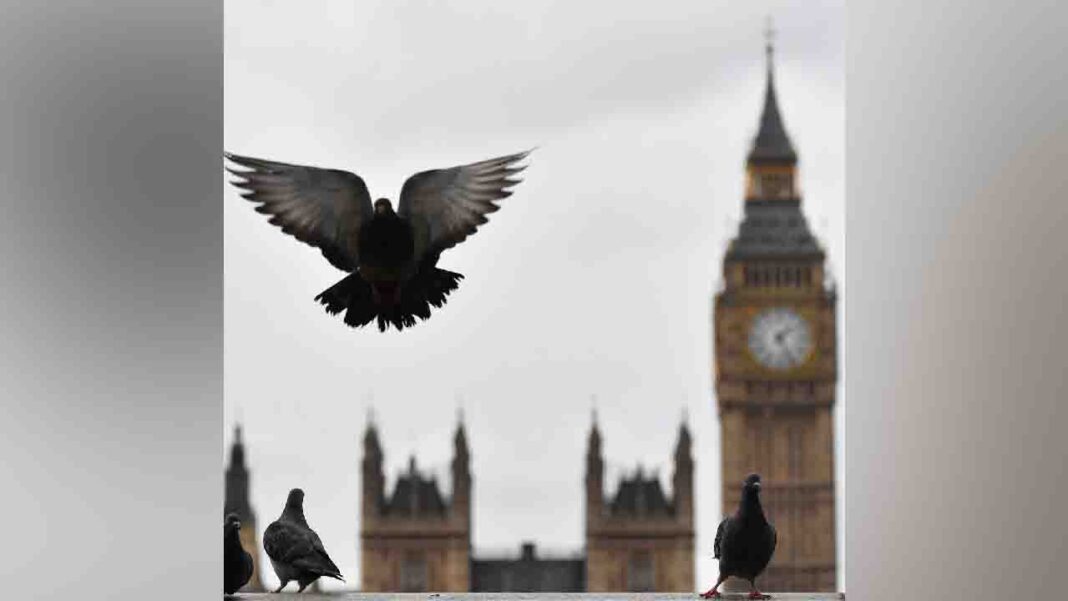
The findings from the King’s College London and University of Bristol noted that as lockdowns occurred, peregrine falcons in London were forced to alter their diet away from pigeons since lesser of these birds were being drawn in by human food supplies like disposed food waste or direct feeding.
Brandon Mak, a PhD student in the Department of Geography who co-led the study with Ed Drewitt from the University of Bristol, says “Our results indicate that peregrines in larger, highly urbanised cities like London may be more dependent on, and hence more vulnerable to changes in, human activities which support their prey populations, particularly feral pigeons.”
Citizen scientists who played a role in the study together with students from King’s, applied online live streams to track 31 peregrine falcon nests across 27 UK cities over the course of 3 breeding seasons, where the 1st was conducted during pandemic restrictions.
The authors of the study hope to play a role with their study in the Global Anthropause Raptor Research Network (GARRN) in future that combines similarly conducted studies from the pandemic.
Other co-authors of the research were Robert Francis, Professor of Urban Ecology & Society, along with Dr Michael Chadwick, a Senior Lecturer in Physical and Environmental Geography, Department of Geography.