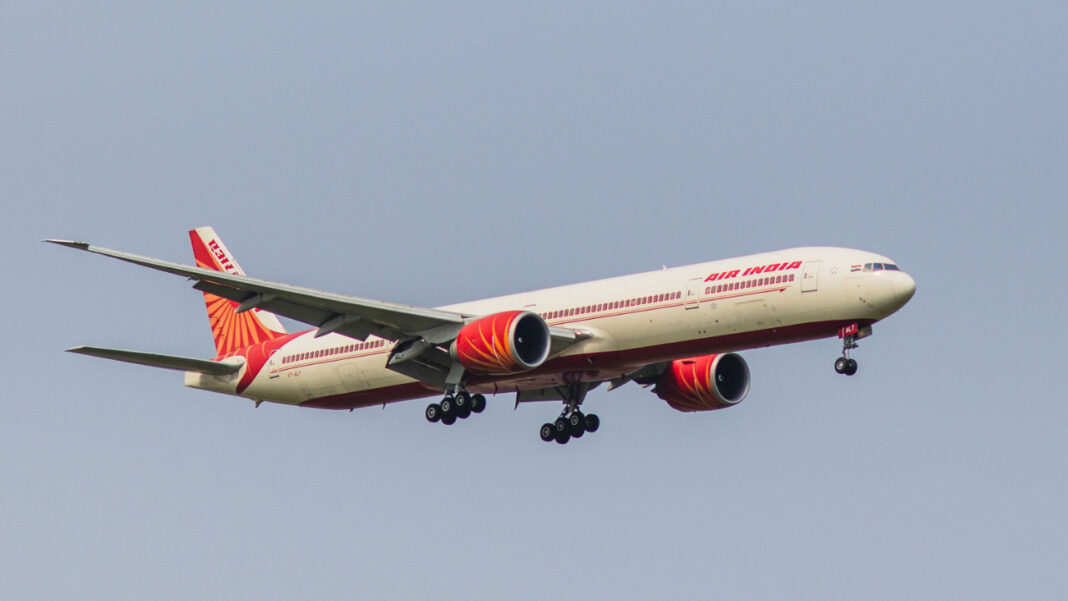

The Indian government has provided its national airline, Air India, an extension on the impact of high global jet fuel prices, which have been dramatically affecting airline economics, by extending the current jet fuel price through June 2021. The domestic jet fuel retail price for June has been maintained at Rs. 104,927 per kilolitre (approximately U.S. $1,095.79) because after approximately two weeks of significant airline pressure on refiners to assist in maintaining an unchanged price (versus implementing another increase), the Government of India decided to ignore this pressure and keep prices stable last month and this month following an 8.6% increase in April. These actions underscore how closely intertwined these two issues have become regarding airline economics in India.
Airlines have significantly more risk than just an individual price notice like the one issued for June. Jet fuel is one of the most important levers in the airline business. According to recent research by Reuters, the price of jet fuel may represent as much as 40% of the total operating expenses for an airline. Therefore, the impact of a temporary price freeze on jet fuel — such as the government announcement of an unchanged jet fuel price for June — has significant ramifications for the airline industry by reducing the pace of erosion of margins, reducing the urgency for airlines to implement immediate fare increases, and providing the airlines with additional opportunities to manage demand more effectively, without needing to have every available seat covered because of a loss in profitability.
While there is some relief in these circumstances, it is limited primarily to a short-term tactical perspective. We have already seen both IndiGo and Air India reduce their planned flights for June and July due to the increase in fuel costs. This indicates that the pain of the increase in fuel prices has shifted from simply an accounting exercise to a real-world impact on the scheduling of flights along domestic routes. According to Reuters, these two airlines control about 90% of the domestic airline industry in India; thus, any capacity reductions will quickly translate into higher fares and fewer seats on the busiest domestic routes.
In addition to reacting, the government has taken action. The Cabinet recently approved a fuel stabilization package of ₹100 billion (approximately $1.04 billion) for the purpose of providing support to absorb the shock of the increasing costs of aviation fuel. The funding will allow oil companies to receive interest-free advances to assist them during this period of heightened fuel costs; this initiative is indicative of efforts by government leaders to intervene early and prevent a spike in fuel prices from causing a more significant aviation problem.
A much larger situation is that the aviation industry in India is facing dual challenges—global energy market volatility and the struggling profitability of air travel within India. While the fare pressure of the June 15 freeze will delay fare increases for now, it does not eliminate any of the market’s underlying risk. Given fuel costs represent such a large component of overall total costs, a period of price stability often feels like a temporary reprieve (i.e., it is much more useful than it is permanent).