
Indigenous peoples make up a significant portion of the population in many Commonwealth countries, and their rights have been the subject of much debate and discussion. In recent years, there has been a growing recognition of the need to protect and promote the rights of Indigenous peoples, and many Commonwealth nations have taken steps to do so.
One of the most important issues for Indigenous peoples is land rights. In many Commonwealth countries, Indigenous peoples have been dispossessed of their land, and this has had a devastating impact on their culture and way of life. Commonwealth countries have taken a variety of approaches to land rights, but some of the most common include:
• Restitution: This involves returning land to Indigenous peoples.
• Compensation: This involves providing financial compensation to Indigenous peoples for the loss of their land.
• Co-management: This involves sharing land management responsibilities between Indigenous peoples and the government.
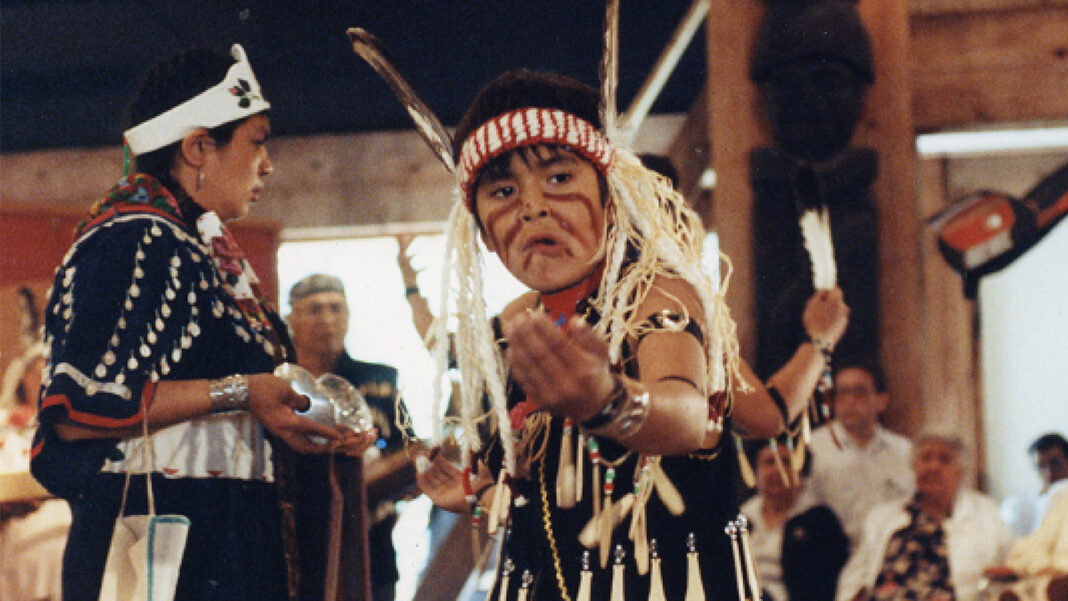
Another important issue for Indigenous peoples is cultural preservation. Indigenous cultures are rich and diverse, and they are facing a number of threats, including assimilation, cultural appropriation, and environmental degradation. Commonwealth countries have taken a variety of steps to protect Indigenous cultures, including:
• Establishing cultural institutions: This includes museums, libraries, and archives that preserve Indigenous knowledge and heritage.
• Supporting Indigenous languages: This includes providing funding for language programs and promoting the use of Indigenous languages in schools and other public institutions.
• Encouraging cultural tourism: This can help to raise awareness of Indigenous cultures and generate income for Indigenous communities.
Finally, Indigenous peoples also need to be represented in decision-making processes that affect their lives. This includes being involved in the development of laws, policies, and programs that affect them. Commonwealth countries have taken a variety of steps to promote Indigenous representation, including:
• Establishing Indigenous advisory bodies: These bodies provide advice to governments on matters affecting Indigenous peoples.
• Allocating seats in parliament: This ensures that Indigenous peoples have a voice in government.
• Creating Indigenous-controlled institutions: This gives Indigenous peoples more control over their own affairs.
The recognition and protection of Indigenous rights is a complex and challenging issue. However, the Commonwealth countries have made significant progress in recent years. By continuing to work together, they can create a more just and equitable future for all Indigenous peoples.
Here are some specific examples of the efforts made by Commonwealth nations to recognize and protect the rights of Indigenous communities:
• In Canada, the Truth and Reconciliation Commission was established to investigate the history of residential schools for Indigenous children. The Commission’s report, released in 2015, made a number of recommendations for how Canada can better address the legacy of residential schools and promote reconciliation with Indigenous peoples.
• In Australia, the Uluru Statement from the Heart calls for a First Nations Voice to be enshrined in the Australian Constitution. The Voice would be a representative body that would advise the government on matters affecting Indigenous peoples.
• In New Zealand, the Treaty of Waitangi Settlements Act 2019 provides for the settlement of historical claims by Māori. The Act establishes a process for negotiating settlements with Māori tribes, and it provides for the transfer of land and resources to Māori.
These are just a few examples of the many efforts being made by Commonwealth nations to recognize and protect the rights of Indigenous communities. By working together, these nations can create a more just and equitable future for all Indigenous peoples.