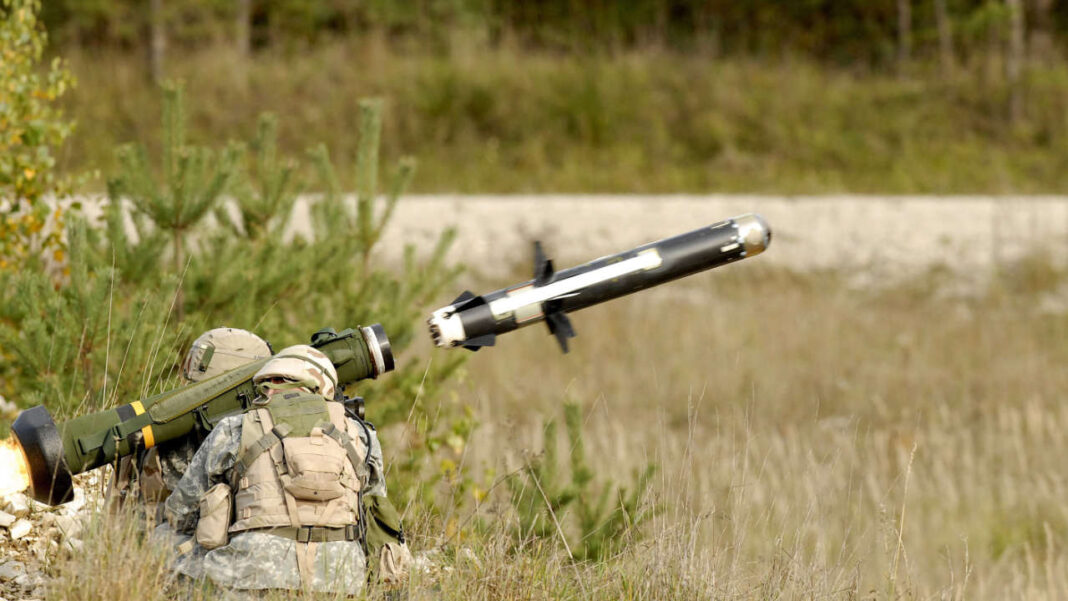

Japan and Australia are planning to expand their military cooperation. Japan could soon test hypersonic missiles and other long-range weapons at Australian military ranges. The plan was announced after talks in Canberra between Australian Defence Minister Richard Marles and Japan’s Defence Minister Shinjiro Koizumi.
Marles said Australia would give Japan greater access to its missile testing facilities. The arrangement is expected to cover the next 10 years. He said Australian testing ranges could provide Japan with more strategic options. The two countries are now working to finalise the details.
Koizumi described the plan as a major step forward. He said testing weapons such as hypersonic missiles in Australia would be a significant development for Japan’s Self-Defence Forces. The proposed cooperation comes as Australia and Japan strengthen their military ties. Both countries are increasingly concerned about China’s growing military power in the Indo-Pacific region.
They are also responding to pressure from the United States. Washington has encouraged its allies to increase defence spending and strengthen their military capabilities. Australia and Japan already have major defence agreements in place. Last year, Australia selected Japanese-designed stealth frigates as part of a deal worth about A$10 billion over the next decade.
The ministers also announced a new defence project called Boobook. The name comes from an Australian owl known for its ability to see in darkness. The project will focus on developing advanced laser technology. The system is intended to help identify and respond to possible threats.
Marles said the technology could eventually be installed on land-based combat vehicles. It could also be used on platforms operating close to shore, expanding its potential applications in different military environments. The latest announcements show that Australia and Japan are moving toward closer military cooperation. Their partnership is expected to grow further as both countries work to improve their defence capabilities, strengthen regional security, and prepare for changing security conditions in the Indo-Pacific region.