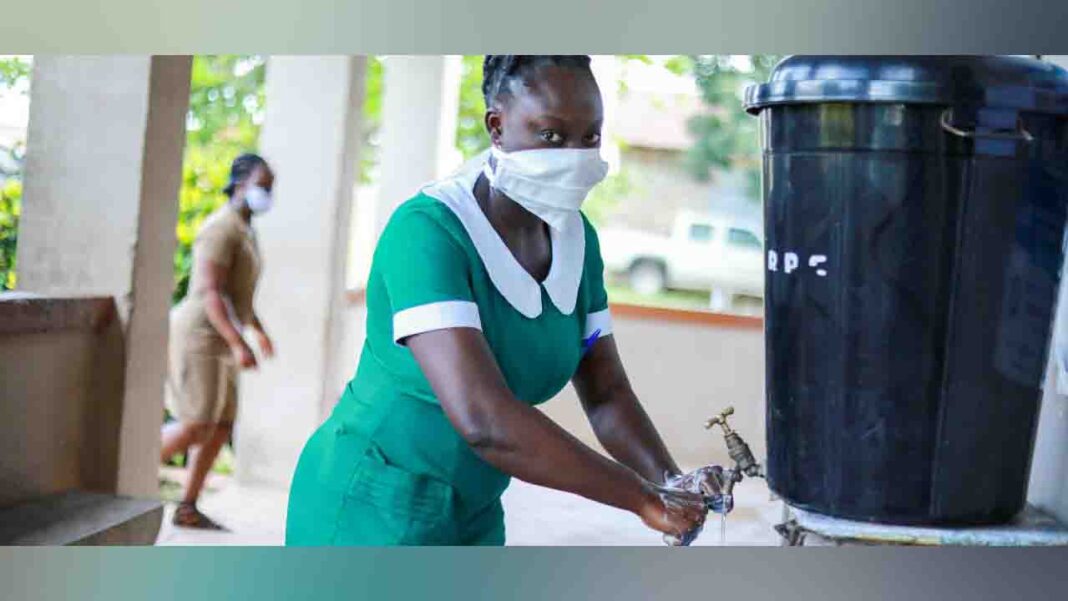
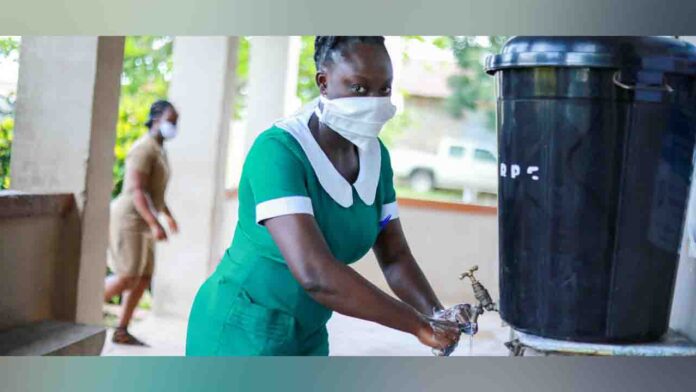

Latest reports indicates that by facilitating an affordable and simple system of water, sanitation and hygiene (WASH) services in healthcare establishments can potentially save millions of lives and prevent huge economic losses, worldwide.
Enabling the prevention of life-threatening infection and control practices, administering quality primary healthcare service, and control the spread of anti-microbial resistance, safe WASH services are recommended to be injected to health care facilities. however, action taken are insufficient according to reports.
2023 global progress report, water, hygiene, sanitation, waste and electricity services in healthcare facilities, indicates an estimated 8 million individuals die annually due to low-quality healthcare in 137 low- and middle-income countries. Poor healthcare and premature mortalities have resulted in US$ 6 trillion in economic losses.
WASH, waste an electricity service, are proven to be a major contributor to improve quality health care. Contributions such as availability of regular cleaning, functioning toilets, hand hygiene, drinking water stations and regular on-sight water supply will immensely improve the quality of health services.
Dr. Maria Neira, WHO director for environment, health and climate change informs, that it is often said that the cost to fix public health problems are too costly, however, we now understand by providing basic WASH and energy to our basic health services is both affordable and non-negotiable, and no excuse as time is running out. Quality of care is required for life saving practices.
It is estimated WASH services in the least developed countries will cost near 60 US dollar cents per individual each year. This investment is clearly more critical than ever as the risk of future climate change, pandemic, conflicts and geopolitical insecurity increases.
WASH, waste and electricity services has a critical importance on the health of babies and mothers during child birth.
Lack of adequate services, deadly infection for mother and child particularly sepsis. Data release indicates, 5 million children before reaching their fifth birthday loose their lives from preventable causes, new born constitutes half of this figure.
Indicated by Cicilia Scharp, UNICEF director of water, sanitation, hygiene and climate, energy, environment and DRR. Solutions simple as soap and water could prevent these deaths. Sanitation and managed water could help save lives of millions of mothers and children each year.