


Lululemon is leaning further into resale as shoppers increasingly embrace pre-owned fashion, turning 2nd-hand clothing from a niche bargain hunt into a mainstream commercial channel. The move places circular fashion closer to everyday retail strategy.
The athletic wear company operates Like New, its dedicated resale platform, where gently used products may return to customers instead of remaining unused. Lululemon says the programme supports its ambition to keep products circulating for longer.
According to Lululemon, Like New began 5 years ago in 2021. It has already put 2 million trade-ins back into action. Customers may send eligible items by mail or visit participating stores, receiving a gift card after approval.
This programme benefits the brand with another relationship with customers after an original purchase. So, instead of ending when clothing changes hands, that relationship may continue through trade-ins. Additionally, resale purchases and future spending contribute to Lululemon’s retail ecosystem.
Resale may also create a route towards affordability. That’s for consumers who may hesitate at full-price athletic wear products. Pre-owned garments may broaden access to recognisable products. This is while permitting existing owners to recover some value from unwanted pieces.
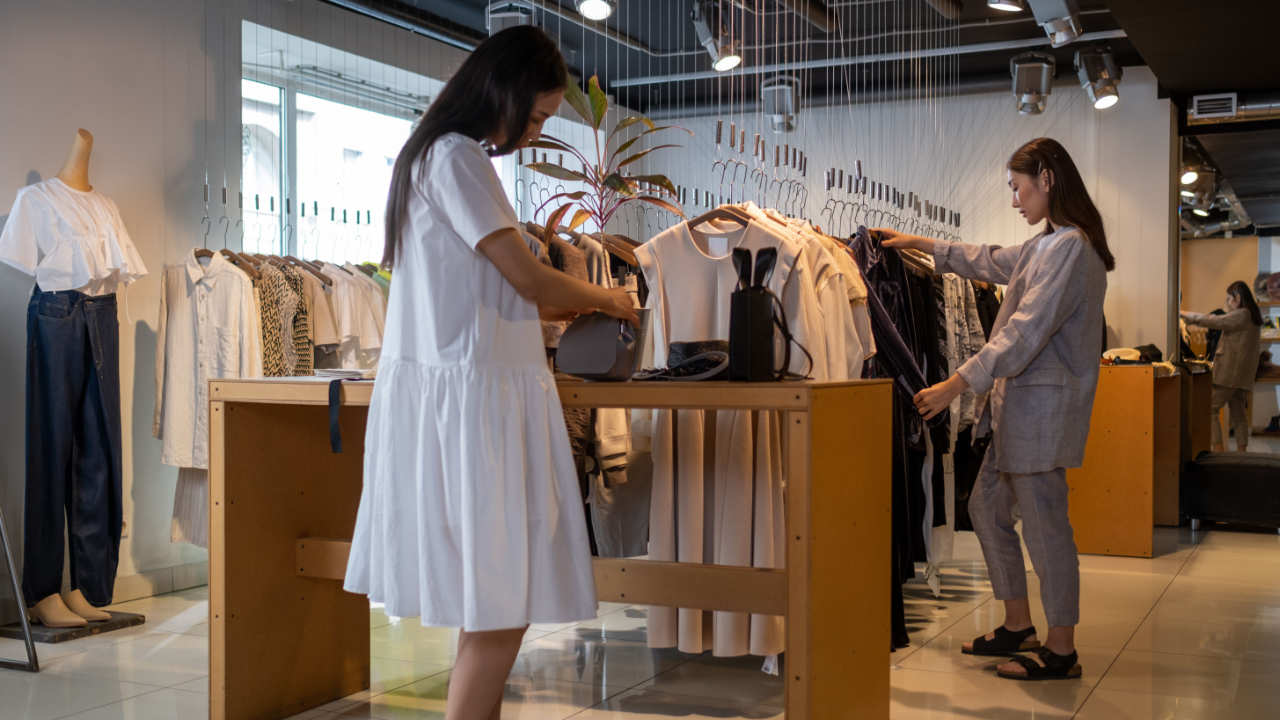
This development occurs as resale becomes increasingly influential in the fashion industry. Consumers are reflecting greater interest in value and longevity besides distinctive second-hand finds. This encourages established labels to participate rather than exiting the market entirely to specialist platforms.
The attraction may extend beyond sustainability messaging for brands. A managed resale operation may provide additional customer engagement. Additionally, it can strengthen customer loyalty and potentially attract younger or more price-conscious shoppers. That’s to products they might not otherwise consider.
Lululemon’s approach may also fit a broader shift toward circular business models. This is where enterprises may seek to extend product life cycles through resale and repair as well as reuse. Such strategies may help brands. That’s in responding to growing scrutiny surrounding clothing waste.
Yet resale is likely to bring challenges. Entreprises may inspect returned products. Furthermore, establish condition standards and manage logistics as well as balance second-hand sales against demand for new merchandise. The economics therefore depend heavily on efficient operations besides sustained customer participation.
For Lululemon, the timing’s notable because the companies are confronting weaker sales & consumer preferences. Expanding resale may provide another avenue for engagement. This approach also reinforces product longevity, as the incoming leadership seeks renewed growth.