
In Mozambique, the recovery of the energy sector has been impressive, as the country is rebounding from a challenging period in energy generation, which led to an 8.8% increase in power generation in the first half of 2025 due to rising water levels that boosted electricity production.
According to the national data cited in the media reports made public on 15 September 2026, the electricity generation reached 8.06 million Megawatt-hours (MWh) from January to June 2026, compared to around 7.41 million MWh for the corresponding timeframe in 2025. This number for the first half of 2026 represents around 49.9% of the annual generation target set at 16.17 million MWh for the country.
The major factor behind the recovery was water.
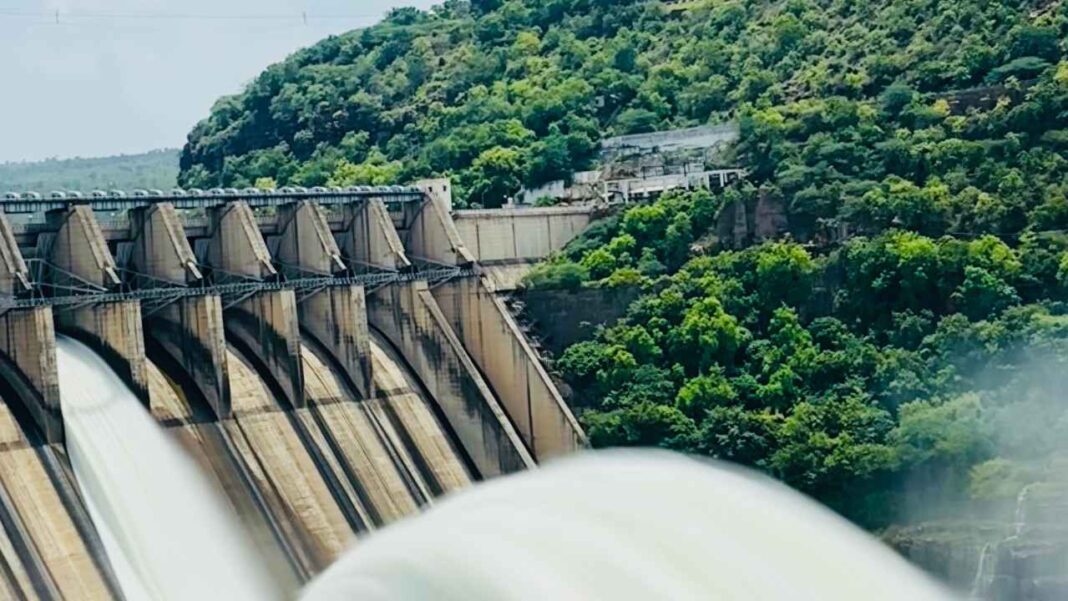
The generation from hydropower rose by 12.2% to reach about 6.55 million MWh, which makes up 81.3% of the total electricity output of Mozambique. The main contribution was made by Cahora Bassa Hydropower Plant, which produced around 6.37 million MWh.
The changes are considered impressively significant due to the fact that in 2025 Mozambique experienced a serious and painful loss. The electrical output of Mozambique fell by 25.4% compared to the previous year, reaching 14.4 million MWh, with hydropower generation dropping by 30.7% due to severe drought conditions in the Zambezi basin; authorities in Mozambique described the hydrological season of 2024/25 as the worst period for drought in 43 years.
However, by 2026 the problem of water supply was gradually solved. The water levels in the storage reservoir Cahora Bassa increased significantly, and other power plants like Corumana took advantage of better weather. The installed capacity of Cahora Bassa is 2,075 MW, keeping in mind that this plant is a major power generation plant of Mozambique.
The Cahora Bassa Hydroelectric (HCB) reservoir is expected to rebound dramatically from a historic low of 20% in early 2026 to 56% of its useful capacity by mid-year. This easing of severe operational constraints enabled the 2,075 MW capacity plant—the primary power generation asset in Mozambique—to boost its first-half electricity output by 13% year-on-year to 6,399 GWh. Other regional hydroelectric facilities, such as the Corumana plant, similarly benefited from the improved weather conditions following the worst regional drought recorded in 43 years.
For Mozambique, numbers show more than mere recovery—it shows that the rainfall, the lakes and the weather conditions definitely impact the energy security in this region and indicate that the generation is still dependent on the water from the Zambezi River.