
“The development of MPI 8 represents a major breakthrough in the field of blood clot prevention and treatment,” explained Dr. Jay Kizhakkedathu, a professor who is also Canada Research Chair at the UBC, department of pathology and laboratory medicine as well as the UBC Centre for Blood Research. “By targeting a specific molecule involved in clot formation without disrupting the natural clotting process, we’ve created a blood thinner that has proven safer and more effective in animal models, with enormous potential to improve human lives as well.”
More studies will be required to validate the safety and efficacy of MPI 8 in humans, however initial findings provide hope for a new era for blood clot prevention as well as thrombosis treatment while being a testament to the power of working together in research medicine.
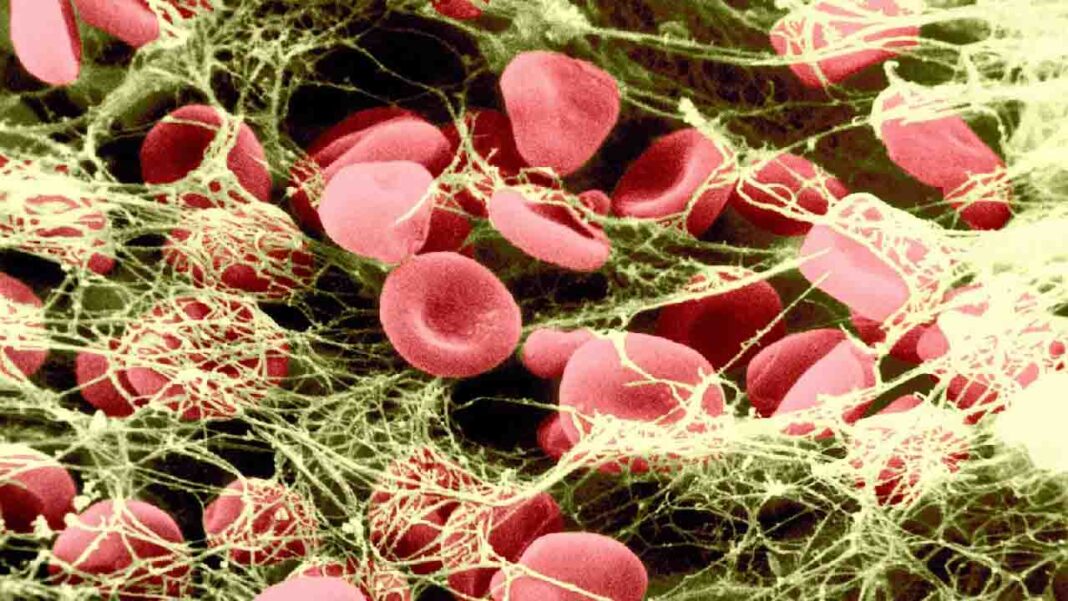
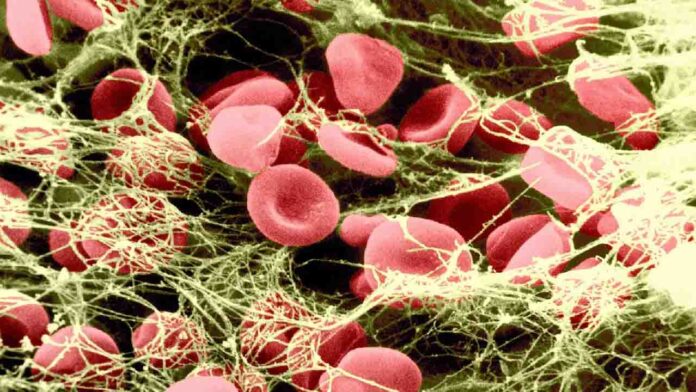
Blood clots have been a serious health concern impacting millions of individuals from across the globe. If no treated in time, they may bring about to life-threatening conditions like deep vein thrombosis, heart attack, pulmonary embolism and stroke.
Deep Vein Thrombosis is a condition where blood clots form in the deep veins, usually in the legs. It can cause swelling, pain, and redness in the affected area, and in severe cases, the clot can break off and travel to the lungs, causing a pulmonary embolism. The condition has seen increased research in recent years.
Blood thinners, generally referred to as anticoagulants or antithrombotic drugs, play a crucial role in both treating and avoiding of blood clots however they carry a big risk of bleeding. This may result in complications and restrict their utilization in certain patients.
The present blood thinners like heparin, direct oral anticoagulants (DOACs) as well as warfarin function by targeting enzymes that have a vital role in blood clotting. But they must be carefully dosed and observed as the disabling of those enzymes can disrupt the normal clotting process needed in wound healing, as indicated by researchers.
The scientists from both UBC and Michigan took an innovative step ahead to instead draw their attention to polyphosphate, a molecule that can play a role in blood clotting by increasing it, but polyphosphate is not essential for it.
“Our thought was that polyphosphate might be a safer target to go after with an antithrombotic drug, because it would just slow these clotting reactions down—even if we take out 100 per cent of the action of the polyphosphate,” added Dr. Jim Morrissey, who is a professor of biological chemistry and internal medicine at the University of Michigan who has had his work highlight the role of polyphosphate in blood clotting. “We really had to come up with an extremely novel way to target it compared to the usual drugs that target clotting, and that’s where the expertise of Dr. Kizhakkedathu’s lab became so important.”
A patent application has been filed by both UBC and the University of Michigan for this technology.