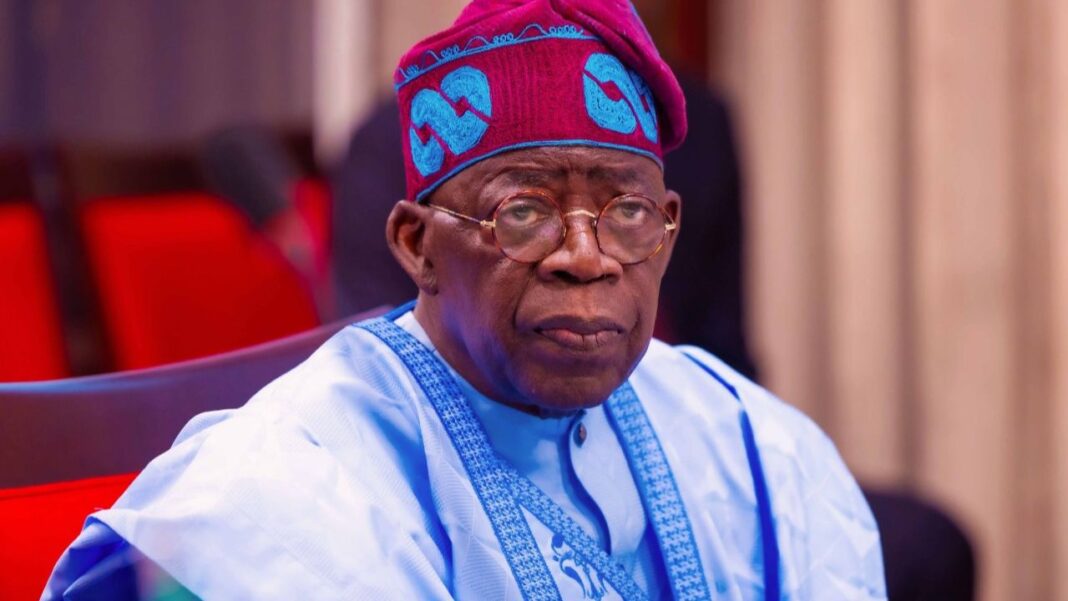

Africa (Commonwealth Union) _Nigeria’s President suspended the Minister of Humanitarian Affairs and Poverty Alleviation, Betta Edu, amid allegations of financial misconduct within the ministry’s social welfare program. The suspension follows reports that Edu utilized a private bank account for financial transactions related to the ministry, prompting President Bola Tinubu to order a comprehensive investigation by Nigeria’s anti-corruption agency.
Edu’s immediate suspension, with ongoing investigations into all ministry financial transactions, underscores President Tinubu’s commitment to eradicating corruption and ensuring the highest standards of integrity in managing Nigeria’s resources. The move aligns with his promises to address chronic corruption and extreme poverty in Africa’s most populous country.
The controversy emerged after an official memo revealed that Edu directed grants totaling 585 million naira ($661,000), intended for vulnerable groups, to be deposited into a private account. While Edu’s office argued that due process was followed in this decision, public backlash ensued. Many Nigerians criticized the use of a private bank account for distributing grants, particularly amid austerity measures affecting millions facing severe poverty.
The suspension also coincides with growing calls for Edu’s dismissal by citizens dissatisfied with the minister’s handling of financial matters within the ministry. In a nation where government austerity measures have exacerbated poverty levels, the public’s concern over the use of private accounts for public funds has intensified.
Nigeria’s Accountant General of the Federation emphasized that funds intended for beneficiaries should be directly transferred from government accounts, adding weight to the criticism against Edu’s actions.
In a parallel development, Edu’s predecessor, Sadiya Umar-Farouq, presented herself to the Economic and Financial Crimes Commission (EFCC) for questioning regarding alleged corruption during her tenure. Umar-Farouq took to social media to clarify her visit to the EFCC, expressing her willingness to provide explanations regarding the issues under investigation.
As Nigeria grapples with issues of financial transparency and accountability, these developments underscore the challenges faced by the government in addressing corruption within its ranks. President Tinubu’s swift action signals a commitment to upholding ethical standards and fostering public trust in Nigeria’s governance.