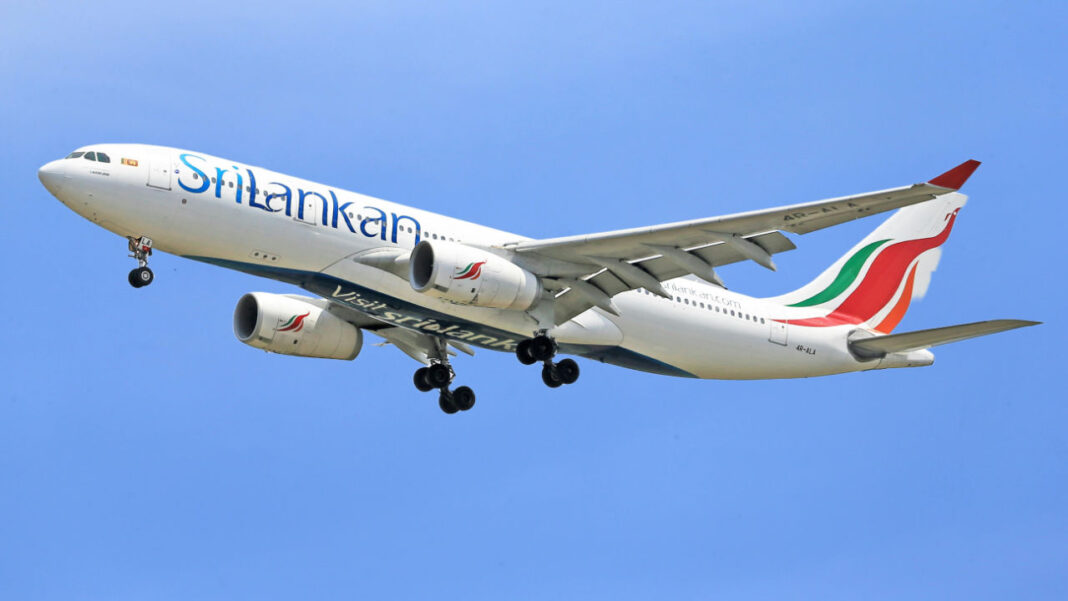

Sri Lankan Airlines is currently struggling on its way to growing through opening new routes and reorganizing current ones, but it has been unable to do so because there’s a global shortage of aircraft, according to government officials from Sri Lanka. They are short seven airplanes in total.
This shortfall is not just a localized problem for Sri Lanka; it is actually an imbalanced state globally between the rate of manufacturers producing aircraft and the demand from airlines. IATA has stated that the worldwide imbalance between aircraft supply and demand will take years to resolve. Flight deliveries began to improve late in 2025 and are projected to gain pace throughout 2026; however, production cannot keep pace. IATA estimates that there is currently a shortage of approximately 5300 aircraft, with an existing order backlog of approximately 17000 aircraft—approximately 60% of the entire fleet of operational aircraft in the world—and no period of normalization of these numbers is expected to occur until at least 2032.
The above-mentioned statistics are indicative of why both governments and established carriers are finding it incredibly difficult to locate additional frames either on a short-term rental basis or for purchase.
The Deputy Minister for Ports and Civil Aviation, Janitha Ruwan Kodituwakku, says that reduced supply levels have real impacts on service levels and strategic initiatives. “It is difficult for the government to get even one on a dry lease; we need to get one or two immediately,” he said to reporters locally, highlighting the importance of quickly hiring a new CEO with experience leading carriers through the turbulence. Janitha Ruwan Kodituwakku
Why is the airline industry important to travelers and Sri Lanka’s economy? Aircraft are far more than just metal birds; they are instrumental in tourism, exports, and bilateral linkages. If carriers cannot expand or keep up the current number of flights on certain routes, there will be less competition to get passengers and cargo from origin to destination, creating higher fares and reducing the ability of businesses that rely heavily on visitors or cargo to be successful. For an island nation highly dependent on passengers and cargo coming to visit or about to depart, the delays in renewing fleets limit the country’s ability to grow at a time when demand for air travel is booming throughout the Asia-Pacific region.
Airlines have options available for mitigating the demand for capacity, such as wet leasing (providing the operational service including crew), ACMI (aircraft, crew, maintenance & insurance), short dry leases, and/or swapping frequencies with an existing partner. However, all of these options create complexity and come at an added cost. Therefore, many airlines prefer to enter into dry leases for long-term planning so they have ultimate control over their operations and brand image. Unfortunately, due to current capacity constraints, airlines are exploring more expensive, stopgap capacity solutions that erode their margins.
Due to capacity issues and financial problems, most airlines face increasing difficulties making this work. In comparison to 2022, an individual airline lost Rs 2.73 bn, or 5% more than in 2021 (which was Rs 7.9 bn), and operating income dropped ~10% compared to last year (but operating expenses were up slightly). Simply put, airlines cannot improve revenue performance without either increasing their capacity or running more flights based on their current capacity.
There are many curious angles to consider when contemplating the current state of the airline industry. One is the backlog of 17,000 aircraft, which is due in part to the increase in orders during the pandemic and to long production turnarounds on newly produced narrow-body and wide-body aircraft (which could be three-plus years from the order date to delivery). Another issue is the component and engine shortages, which have contributed to the backlog of aircraft; it is not only the fuselages that are awaiting deliveries, but also a wide range of parts necessary for assembling an aircraft. Thirdly, in terms of power shifting in the industry, aircraft lessors and manufacturers hold more leverage than they did two years ago, therefore changing some of the negotiation power for smaller national carriers.
In the future, the national carrier will more than likely combine short-term hires of capacity with fleet strategy decisions as deliveries begin to take place. Additionally, as it relates to the government’s search for a new CEO and the carriers’ route development, both will be of interest not only to airline insiders but also to hoteliers, exporters, and travelers as they rely on the airline to maintain Sri Lanka’s connectivity to the rest of the world.