
SUVA, FIJI — 20 NOVEMBER 2026
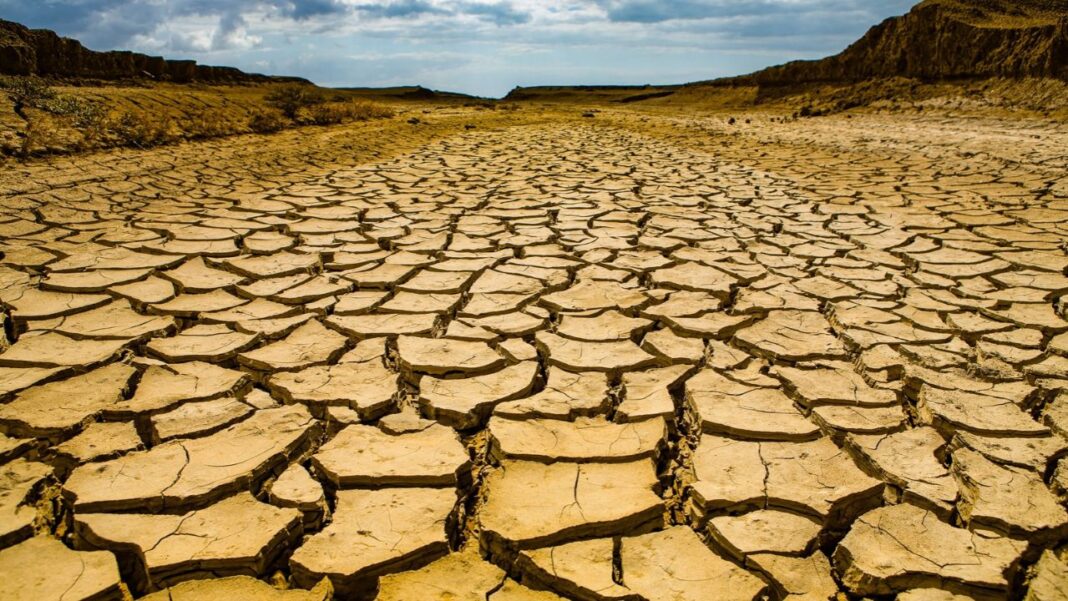
For a Pacific island nation, it seems ironic to be confronted by the lack of something as basic as drinking water. Yet this is precisely the situation Fiji finds itself in as a worsening El Niño-induced drought threatens household supplies, agricultural production, and people’s means of living across the country.
On November 18th, 2026, Prime Minister Sitiveni Rabuka announced that the Cabinet had approved a National State of Disaster declaration for all of Fiji. This follows the conclusion made by officials that the drought in Fiji has reached the crisis line described in the National El Niño Preparedness and Response Plan.
The announcement, under Section 91 of the National Disaster Risk Management Act 2024 of Fiji, has become an important move in the government response to the crisis because this declaration provides a mechanism for resource allocation and rescue coordination.
The enormity of the situation can be understood from the numbers provided. In a policy paper published by Fiji’s Centre for Democracy & Dialogue in November 2026—citing figures presented to Parliament on November 3, 2026, from data as of November 1, 2026—it was shown that of the 44 operational water sources monitored by the Water Authority of Fiji (WAF), 19 were at critical levels, while seven others were approaching critical levels. Approximately 24,600 people were either experiencing intermittent water supply or relying on water carting. In the Northern Division (Region), daily water production was 19.9 million liters against a daily requirement of 29.4 million liters, representing a 32.3% shortfall.
An amount surpassing two million liters of emergency water was already delivered to distressed maritime populations by the authorities within the last month. In terms of agriculture, six programs have been implemented to support various processes, including emergency irrigation, livestock feed, seeds and planting materials that are resistant to climate change, relief of the sugar production sector, and food security in households.
Unfortunately, the weather forecast does not provide imminent relief. In their up-to-date report released on November 18, 2026, the Fiji Meteorological and Hydrological Service has expressed concerns about the high probability of extremely dry weather in Fijian islands from November 2026 to January 2027. According to Reuters, the forecast says that rainfall will be below normal in Fiji for quite a long time from now until at least April 2027, while daytime temperatures will exceed average in most of the country’s regions until January 2027.
El Niño is the climate phenomenon that we are more worried about. This happens when abnormal temperatures develop over the tropical Pacific, affecting the atmospheric and rainfall patterns. Some areas may have too much rain and flooding, while the western Pacific region, including Fiji, may have continued dry weather conditions.
According to Fiji’s disaster management law, the declaration can last for up to 30 days, but it can be extended or canceled based on the assessment.
Now, Fiji’s task is not merely dealing with the lack of rain anymore. Its task is how to keep the population supplied with enough clean drinking water, how to keep people farming, and how to prevent the catastrophic consequences of an extended climatic calamity.