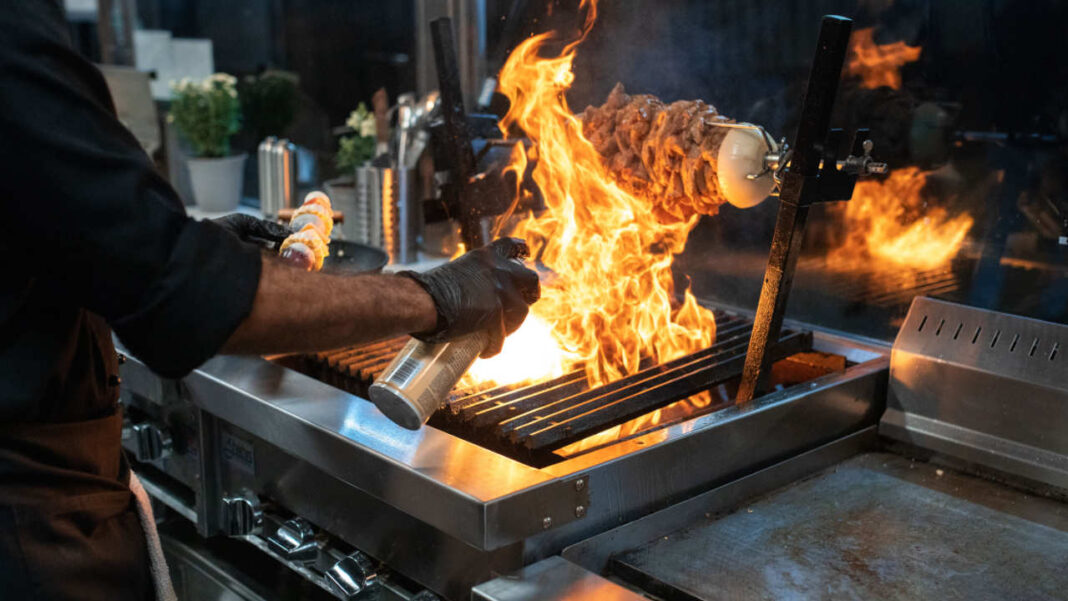

Cooks who work with gas or propane stoves may breathe unhealthy air and face dangerous heat, a new study says. Researchers found that many of these kitchens exceeded safe limits for both air quality and heat exposure. Kitchens that ran only on electricity did not have these problems.
The work was published in Environmental Research Letters. It is the first study in the United States to compare gas kitchens with all-electric kitchens during normal working conditions. The team looked at both air quality and heat.
The scientists visited 27 kitchens in California, Pennsylvania, and New York. Twenty-one used gas, three used propane, and three were fully electric. They placed monitors where staff work. The monitors ran during service hours and overnight. They tracked nitrogen dioxide, benzene, carbon monoxide, carbon dioxide, methane, and air temperature.
The results matter for a giant workforce. About 15.7 million people work in the U.S. restaurant and food industry. Around five million of them spend their entire shift in a kitchen.
Air pollution during cooking
Nitrogen dioxide, a gas linked to asthma, was a clear problem. In about 70% of the gas kitchens, levels rose above the EPA’s one-hour outdoor limit of 100 parts per billion. In one kitchen, the 15-minute average went above 1,000 parts per billion. That is the short-term workplace limit suggested by the National Institute for Occupational Safety and Health.
Other harmful gases showed up too. Carbon monoxide went over California’s one-hour guideline in three gas kitchens. Benzene, which is known to cause cancer, went over its guideline in five gas kitchens. No all-electric kitchen passed any pollution limit while cooking was underway.
Pollution after closing time
The study also found a hidden risk at night. Pilot lights in gas appliances stay lit all day and all night. When the restaurant closes, the ventilation fans usually switch off. The pilot lights keep burning.
About 71% of the gas kitchens checked overnight exhibited higher pollution levels after hours than during service. This included nitrogen dioxide, carbon monoxide, carbon dioxide, methane, and benzene. Seven kitchens went above the 100 parts per billion nitrogen dioxide limit when no one was cooking. Extreme heat in the kitchen raises worries for cleaners and for staff who arrive early. None of the electric kitchens went over any limit overnight.
Extreme heat in the kitchen
Heat was another big issue. About 68% of the gas kitchens with temperature records went above 90°F (32°C). That is the high-heat level proposed by the Occupational Safety and Health Administration. Ten of them passed 100°F (37°C). Four went past 122°F (50°C).
Outside weather did not explain it all. On days when it was cooler than 75°F (23°C) outdoors, 10 of 13 gas kitchens still topped 90°F (32°C) inside. This suggests the equipment itself creates much of the heat.
The team also checked how one worker feels. They clipped a temperature monitor to a chef’s shoulder during a cooking session of about five hours. The average reading was 92°F (33°C). The highest reading was 106°F (41°C).
What the experts say
Rob Jackson, a Stanford professor and co-author, said commercial kitchens get far less study than home kitchens. He believes burning gas in a restaurant is just as concerning as burning it at home. He added that the electric kitchens produced none of the pollution seen in gas kitchens.
Lead author Yannai Kashtan said few studies have measured what cooks breathe during a normal shift. Chef Christopher Galarza, another co-author, said workers should not have to accept extreme heat or dirty air as part of the job. He hopes the findings help owners choose healthier equipment. The study suggests equipment choices can make a real difference to the health of kitchen workers.