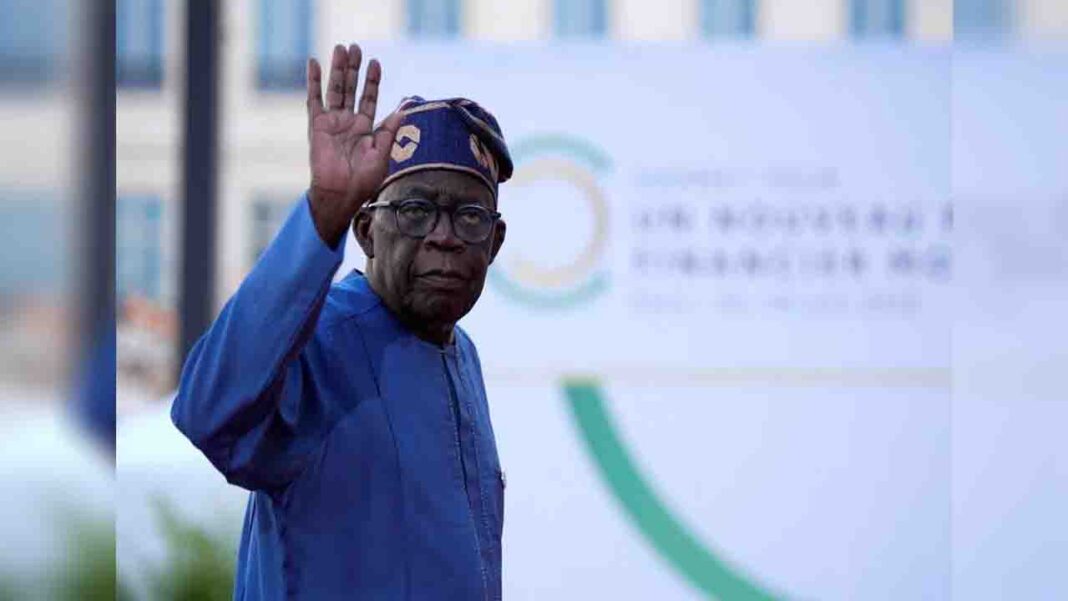

Nigeria (Commonwealth Union) _ President Bola Tinubu of Nigeria, marking the nation’s 63rd Independence Day, offered a temporary minimum wage increase for lower-paid workers just two days before major labour unions planned an indefinite strike starting October 3 due to the rising cost of living. Tinubu stated that, based on discussions with labour, business, and stakeholders, a provisional wage increment would be introduced to enhance the federal minimum wage without causing undue inflation. For the next six months, low-grade workers will receive an additional 25,000 naira ($32), bringing their salaries to $71.
The objective is to offset the impact of economic reforms implemented by Tinubu’s government, which include ending a fuel subsidy and liberalizing the naira currency to attract foreign investment and revive the economy. The reforms, though applauded by investors, have led to a 25% inflation rate and soaring fuel prices, making it challenging for citizens to meet their needs. Tinubu’s minimum wage increase falls short of the $260 demanded by unions, and reactions on the streets are mixed. While some believe the additional income can be judiciously utilized to address essential needs, others argue that it is insufficient considering the high cost of living. Tinubu, in his address, did not reference the impending indefinite strike planned by unions starting on Tuesday.
The move to increase the minimum wage is part of Tinubu’s broader promises made during his inauguration to reshape and modernize Nigeria’s economy while ensuring the well-being of its citizens. The president emphasized the necessity of the economic reforms to secure lives, liberty, and property, expressing commitment to governing the nation as pledged. Despite the challenges posed by inflation and increased fuel prices, Tinubu’s government believes that the reforms are essential for the country’s economic revival. The announcement of a temporary wage increase is seen as an attempt to address immediate concerns and potentially ease tensions amid growing economic challenges faced by Nigerians.