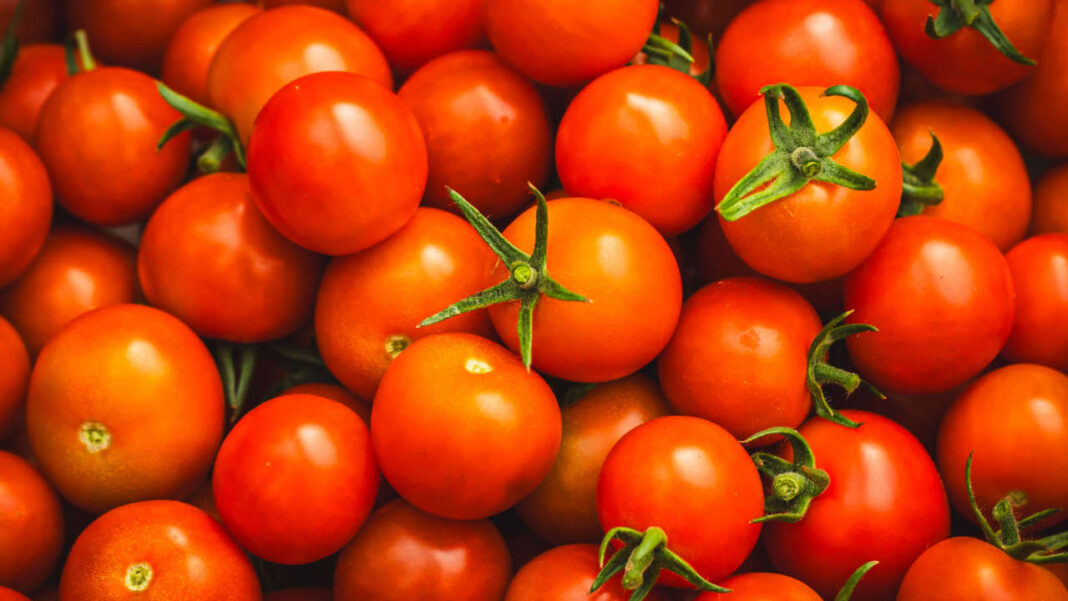

For years, lycopene in tomatoes has been known as the main substance supporting human health. This red pigment is the nutrient most people link to tomatoes’ health benefits. But a new study from Tufts University points to another compound that may deserve just as much attention: phytoene.
Phytoene is colorless. Which cannot be seen in a ripe tomato. However, it plays a crucial role in the background. It’s the raw material plants use to build lycopene and other colorful pigments called carotenoids. These are the same pigments that give many fruits and vegetables their red, orange, and yellow hues.
The new research, published in Molecular Nutrition & Food Science, suggests phytoene may help protect against a common form of chronic liver disease. This condition is called metabolic dysfunction-associated steatotic liver disease, or MASLD. It happens when too much fat builds up inside liver cells. Over time, that fat can trigger inflammation and damage. In severe cases, it can lead to scarring, known as cirrhosis.
This disease is far more common than most people realize. Experts estimate that up to 38% of American adults have it. That’s roughly 100 million people. Among adults with obesity or diabetes, the rate climbs as high as 75%.
Why Scientists Looked Beyond Lycopene
Researchers have long suspected that tomatoes protect the liver. But there was a puzzle. In animal studies, whole tomato powder worked better than purified lycopene alone. That suggested other compounds in tomatoes were also doing important work.
Phytoene became a strong suspect. According to Na Youn Lee, the study’s lead author and a doctoral candidate at Tufts, tomatoes contain large amounts of both lycopene and phytoene. However, earlier research shows the body absorbs phytoene more easily than lycopene.
What the Study Found
To test this idea, researchers fed two groups of mice an unhealthy diet high in refined carbohydrates for six months. This diet was designed to mimic eating patterns linked to fatty liver disease in humans, especially heavy consumption of sugar.
One group also received phytoene. The dose was similar to what a person would receive from eating three to four medium tomatoes a day, or about a third of a cup of tomato paste.
The results were clear. Mice that received phytoene developed much milder liver disease than those that didn’t. Interestingly, the compound didn’t work by changing gut bacteria, as some researchers expected. Instead, it activated proteins that help the liver burn fat for fuel instead of storing it.
The team also studied mice that lacked enzymes needed to break phytoene down. These mice built up high levels of phytoene in their bodies, but they didn’t receive the same liver protection. This hints that the real benefit may come from smaller compounds created when the body processes phytoene, not from phytoene itself.
Because people vary in how their enzymes function, some individuals may benefit from phytoene more than others. Researchers emphasize the need for further investigation to identify these protective breakdown products.
One more finding stood out. Female mice built up more phytoene in their livers than male mice did. This suggests sex may influence how the body handles the compound. Scientists want to explore whether phytoene affects how well it protects against liver disease.
Beyond Tomatoes
Phytoene isn’t unique to tomatoes. It also shows up in carrots, red peppers, pink grapefruit, watermelon, and apricots.
Xiang-Dong Wang, the study’s senior author and a scientist at Tufts’ USDA Human Nutrition Research Center on Aging, says the implications could be broad. If future research confirms these effects in humans, encouraging people to eat more phytoene-rich produce could become a simple, practical strategy. It might help prevent fatty liver disease or slow it down in people who are already at high risk.