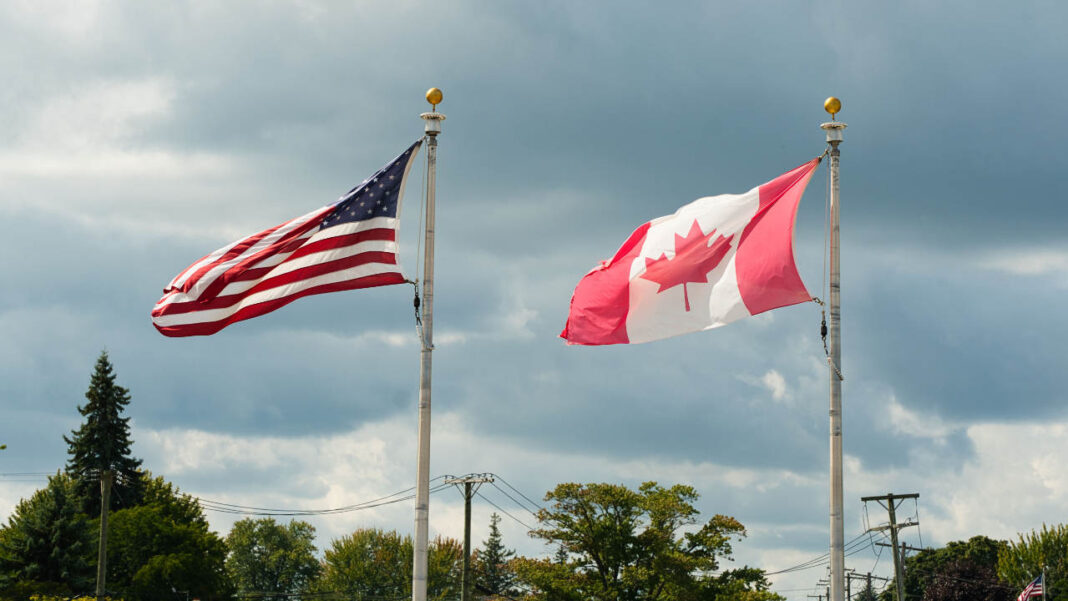

Several U.S. senators grilled trade czar Jamieson Greer on tariffs. The meeting was on Wednesday, 22 July ’26, after U.S. President Donald Trump lobbed fresh threats at Canada.
As Canadian premiers convene in Charlottetown, those threats remain significant. The meeting was to calculate the next steps.
Trump intends imposing 50% levies on a range of Canadian goods. The move is in retaliation against various provinces’ bans on selling U.S. liquor. This ban was a response to both Trump’s trade regime and his threats of annexation. The president also cited Canada’s protections for its domestic dairy industry.
There are other tariffs imposed on Canadian goods. However, these duties have no exemptions for goods protected by the Canada-U.S.-Mexico (CUSMA) Trade Agreement. It’s due to begin on Wednesday, 19 August ’26.
Vermont senator on rhetoric against Canada
Democratic Vermont Sen. Peter Welch appealed to Greer to improve relations with Canada. This was after he claimed that tourism in his state decreased by 40%.
Welch added that a lot of that has to do with the rhetoric that President Trump has used. He referred to Trump’s threats to turn Canada into the 51st U.S. state and his repeated address of the prime minister as “governor.”

He added that Trump’s tariff regime has been widespread. He referenced layoffs at a local auto repair shop. The cheesemaker and brewery have seen their overhead expenses double, along with a sporting outlet that has closed half of its stores.
Vermont truly values its relationship with Canada on emotional, financial, and economic levels.
Greer responded, saying that the U.S. is fighting against a ban on American liquor on shelves. The U.S. is also fighting against hard caps on the export of American vehicles. The U.S. is also fighting against caps on American cheese.
Greer says that his Canadian counterpart didn’t intimate they were to retaliate.
Colorado Democratic Senator Michael Bennet grilled Greer on how Trump’s handling of CUSMA may affect U.S. farmers.
Bennet asked Greer as to how he intends approaching the risk of retaliatory tariffs from Canada now that a 50% duty has been imposed on a wide range of products that were previously exempt.