
The United States (U.S.) president, Donald Trump, is imposing a new 50% tariff on some Canadian goods. The new tariff includes wine, hockey sticks & cement. Trump’s administration characterises them as discriminatory trade policies. The announcement was after signing a new executive order on Monday, 20 July ’26.
According to three proclamations released by Trump, the U.S. is taking issue with provincial bans on U.S. alcohol and supply management on dairy, as well as certain tariffs and quotas on cars imported to Canada from the U.S.
In a background briefing with reporters on Monday, 20 July, a senior administration official said that the president is using Section 338 of the Tariff Act of ’30. This is an emergency trade authority that empowers the U.S. president to impose additional duties of up to 50% on countries that discriminate against U.S. commerce.
The official also added that Section 338 has not been used for this purpose before. The tariffs are expected to come into force on Wednesday, 19 August 2026.
The official added that the Section 338 tariffs apply to all covered goods. This is regardless of if it originated under the Canada-U.S.-Mexico (CUSMA) Agreement.
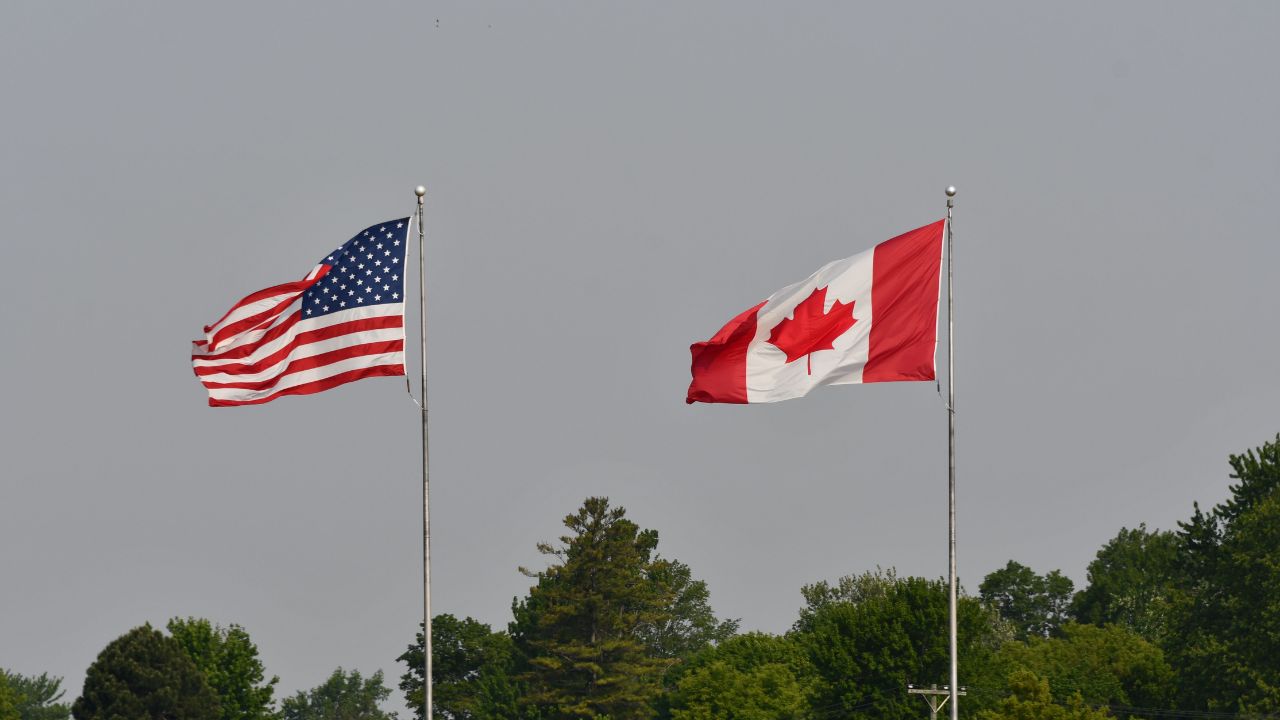
These tariffs, however, may not apply to energy, potash, or products subject to tariffs under section 232. Additionally, certain other goods, such as fish and critical minerals, may also be affected. Tariffs under Section 232 refer to steel & aluminium.
U.S. Trade Representative Ambassador Jamieson Greer, in a statement on Monday, 20 July, pointed to Canada retaliating, unlike other partners and allies.
Greer added on Tuesday, 21 July, that President Trump took decisive action to hold Canada accountable for its retaliation & discrimination. President Trump is delivering on his promise to correct trade imbalances and ensure fairness for American workers, farmers, and businesses.
Canadian Prime Minister Mark Carney issued his own statement late Monday, 20 July, defending Canada’s tariff actions against U.S. trade policies.
Carney said, more broadly, that these measures are a response to threats against Canadian sovereignty. Additionally, provinces, territories, and Canadians from coast to coast have united in their efforts. The effort is in taking the necessary actions to support the Canadian economy as well as defend Canadian workers, farmers, and businesses, besides families.