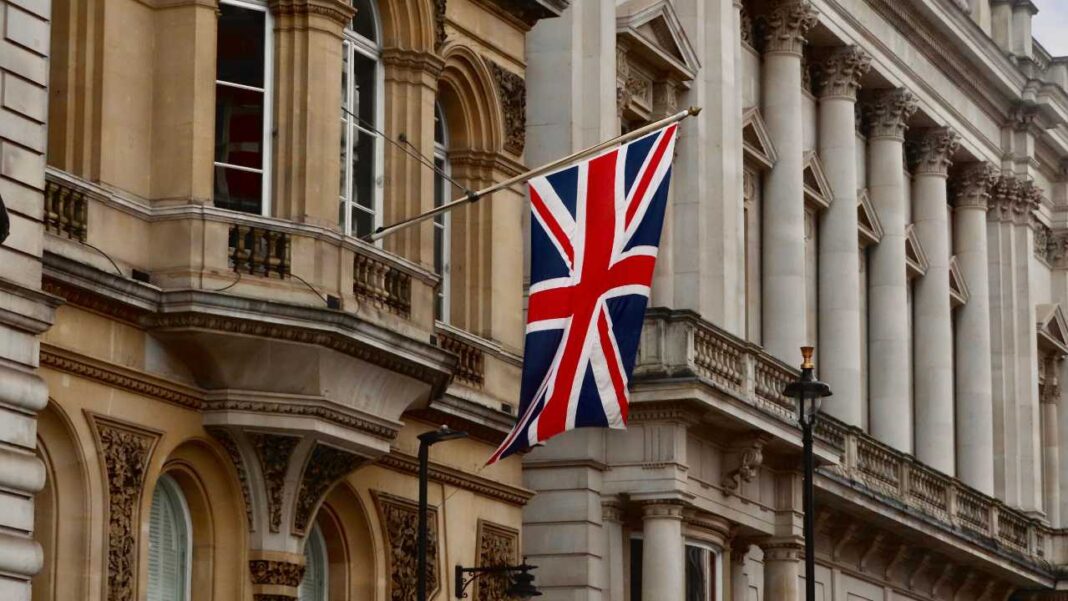

The Bank of England (BoE) may leave interest rates unchanged at 3.75% for the rest of the year. This prediction is according to a strong majority of economists polled by Reuters. It clings to a view they’ve held since the US-Israeli war with Iran commenced in late February ’26.
The UK economy has remained mostly resilient since then. There is little evidence of any spillover from higher energy prices into the broader economy. This has allowed the central bank to maintain its current position.
3 of the total 9 Monetary Policy Committee (MPC) members voted for an immediate rate increase to 4.0% at the July meeting. That’s up from 2 at the last meeting.
According to a separate Reuters poll ahead of official data due on Wednesday, 19 August ’26, inflation likely increased to 2.9% in July from a previous 2.6% in June. This is above the BoE’s 2% target. However, in its latest set of quarterly forecasts, the BoE expects inflation to rise above 3% later this year.

Of nearly 90% of economists polled by Reuters, 56 of 64 expect the Monetary Policy Committee to leave rates unchanged at 3.75% this year. That’s up from 83% last month. 6 expect to hike by then, whilst another 2 predict a cut. This poll was conducted from Thursday, 13 to Tuesday, 18 August ’26.
No economist predicts a rate change at the next MPC meeting in September. Financial markets are still pricing in one quarter-point rate rise by year-end.
Crude oil prices are still trading at around USD 91 a barrel. It’s still about 25% higher than pre-war levels, with the Strait of Hormuz, a key shipping route for Middle Eastern oil, remaining closed.
The most recent set of labour market data reflected weak hiring besides pay growth within the MPC’s tolerance range. Economists said that it’s likely to keep policymakers on the sidelines for now.