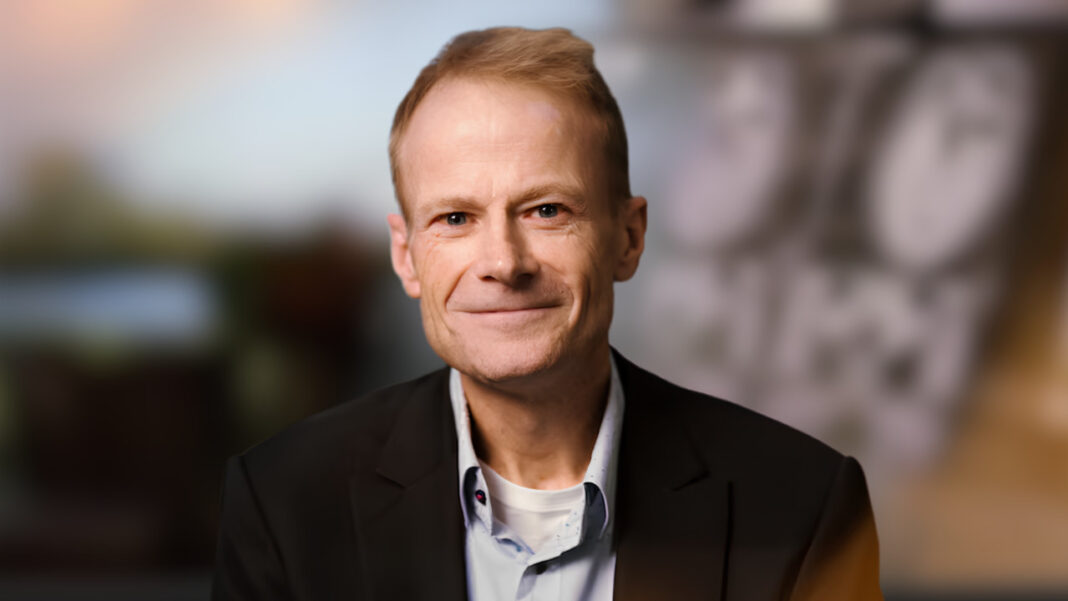

Australian cancer specialist Professor Richard Scolyer has died at the age of 59 after battling an aggressive brain cancer for three years. He was diagnosed with glioblastoma, one of the deadliest forms of brain cancer, in 2023. Instead of accepting the limited treatment options available, Scolyer chose to try an experimental therapy that had never been used on a brain cancer patient before.
The treatment was led by his close friend and research partner, Professor Georgina Long. The pair were internationally known for their groundbreaking work in melanoma, a serious form of skin cancer. Their research helped improve survival rates for patients around the world and changed how advanced melanoma is treated.
After his diagnosis, Scolyer decided to become the first person with glioblastoma to receive a combination of immunotherapy drugs before surgery. He was also given a vaccine specially designed for the unique features of his tumour.
The goal was to help his immune system recognise cancer and fight it better. Even though the chances of a cure were very low, Scolyer remained hopeful. He believed the treatment could help him live longer. It could also provide important information for future patients. Early results showed encouraging signs, and his case has since helped launch a clinical trial in the United States.
Before his death, Scolyer wrote a farewell message reflecting on his life and career. He said he felt fortunate to have spent his life doing work he loved and helping others through science and medicine. He also thanked his family, friends, and colleagues, as well as the Australian public, for their support during his cancer journey.
Scolyer said he always believed in trying to make life better for future generations. He was proud not only of his cancer research but also of mentoring young doctors and scientists throughout his career. In 2024, Scolyer and Long were jointly named Australian of the Year in recognition of their contributions to cancer research.
Their work at the Melanoma Institute Australia helped change melanoma treatment. Survival rates improved a lot over the last decade. Australian Prime Minister Anthony Albanese paid tribute to Scolyer. He said Scolyer was a remarkable person who faced his illness with courage and determination. Many scientists and medical experts also praised his dedication and commitment to cancer research.
His wife, pathologist Katie Nicholl, and their three children survive Scolyer. In his final message, he encouraged researchers to keep exploring new ideas. He said they should push scientific boundaries. He has also urged the government to continue supporting medical research. To save more lives and improve cancer care, innovation is crucial. His legacy will live on through the patients he helped. It will also continue through the discoveries he made. The research inspired by his courage will carry on for many years.