
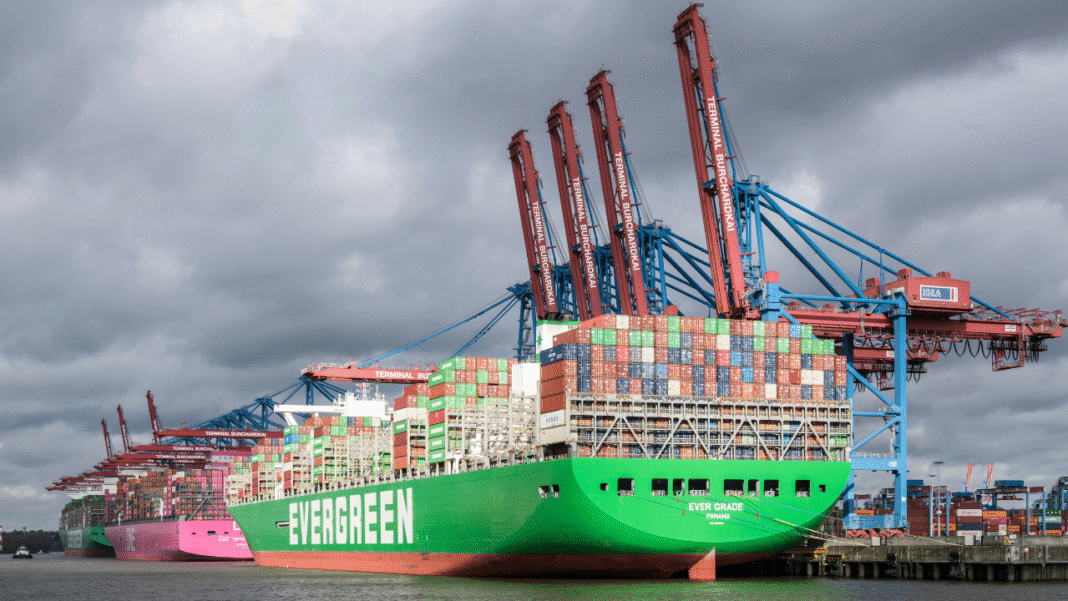

ISLAMABAD, April 21, 2025 — In a bold move to redefine its presence on the African stage, Pakistan’s Ministry of Maritime Affairs has unveiled plans for a dedicated shipping corridor between Karachi and Djibouti, promising to transform a centuries-old seafaring legacy into a 21st-century trade powerhouse. At the heart of this initiative lies not just faster ships and streamlined logistics, but the ambition to forge enduring partnerships across a region home to half a billion consumers.
Bridging Two Shores in Record Time
Gone are the days when Pakistani exporters had to navigate indirect routes or rely on circuitous overland links to reach East Africa. By launching a direct Karachi–Djibouti service, transit times are set to plunge by nearly 30%, saving merchants days on the water and slashing freight costs. Djibouti already handles over 90% of Ethiopia’s seaborne trade and serves as the logistical nerve center for Somalia and Eritrea, perched at the mouth of the Red Sea and commanding access to the Bab-el-Mandeb Strait. A swift shipping lane from Karachi could transform Pakistan into a top-tier supplier of textiles, pharmaceuticals, and machinery to the burgeoning East African market.
Phase I: Fast Track Connection
Federal Minister for Maritime Affairs Junaid Anwar Chaudhry emphasized that the corridor will be underpinned by a “whole-of-government” framework, weaving together trade facilitation, financial instruments, diplomatic engagement, and cutting-edge port technology. Initial sailings—slated to commence within months—will run weekly, carrying containerized goods directly to Djibouti’s Doraleh Container Terminal, one of Africa’s most efficient ports.
Phase II: Gwadar’s Grand Role
While Karachi serves as the gateway today, eyes are firmly fixed on Gwadar for the near future. Once a sleepy fishing village, Gwadar Port has been the focus of massive Chinese-backed infrastructure investment. Under Phase II of the maritime plan, Gwadar’s deep-water berths will be fitted with specialized grain and cold-chain facilities, positioning the port as a long-term export hub for Pakistani rice, mangoes, and other perishables destined for African tables. Its proximity to the Arabian Sea also opens possibilities for multimodal connections with the Middle East.
Tapping Into a $600 Billion Opportunity
The East African Community (EAC)—comprising Kenya, Tanzania, Uganda, Rwanda, Burundi, and South Sudan—boasts a combined GDP north of $600 billion and growth rates often outpacing the global average. Kenya’s bustling port of Mombasa, oft-lauded as the region’s “economic engine,” handles nearly 30 million tons of cargo a year, yet demand frequently outstrips capacity. By offering a Pakistan‑Djibouti‑Mombasa link, Pakistani exporters stand to tap rapidly expanding consumer markets hungry for affordable textiles and farm machinery.
More Than Just Cargo
Beyond containers and bulk goods, the new corridor is poised to facilitate service-sector exchange: IT outsourcing, technical training, and even cultural tourism. Pakistan’s burgeoning software industry could find eager clients in Nairobi’s tech hubs, while East African entrepreneurs may look to Karachi’s manufacturing clusters for joint ventures. Diplomats are already exploring visa-easement schemes and joint trade fairs to stoke bilateral interest.
Challenges on the Horizon
No grand infrastructure dream is without hurdles. Ensuring regulatory alignment—everything from customs protocols to phytosanitary standards—will test the ministries involved. Security in the Gulf of Aden, notorious for piracy threats a decade ago, remains a concern despite international naval patrols. Finally, local stakeholders in Karachi and Gwadar will need to invest in hinterland connectivity—rail and road links—to avoid bottlenecks once the first vessels dock.
Setting Sail for Tomorrow
For Pakistan, this corridor isn’t merely a trade route; it’s a statement of intent. It signals a pivot toward markets long overshadowed by Europe and North America and an eagerness to compete on speed, cost, and reliability. As the first vessels prepare to cast off, Islamabad will be watching closely—not only at the cargo manifests but also at the blossoming of new economic ties across the Indian Ocean. In the words of Minister Chaudhry: “We’re not just laying tracks in the water; we’re charting a course for shared prosperity.”


