
Five of the United Arab Emirates‘ largest carriers—Emirates, flydubai, Etihad Airways, Wizz Air Abu Dhabi, and Air Arabia—have all temporarily suspended flights to Iran, Iraq, and Israel as tension in the region escalates. Where once Middle Eastern skies were the noisy crossroads that had such joy in East and West’s merging, the grounded planes of today harshly illustrate how easily a ceasefire can be destroyed by fiery doubt.
Emirates, the world’s aviation behemoth, announced that its Tehran, Baghdad, and Basra routes will remain dark until June 30, 2025, after carrying over 59 million passengers to and from 150 global destinations in 2024. To travelers, this means the gleaming A380s and Boeing 777s that once dived into Iran’s capital city airport now must blast off with every ounce of power available—a cruel reminder that even “friendly skies” can change in an instant.
No better to be safe than sorry; flydubai, which started operations only a decade ago but now operates out of over 90 cities, has similarly added its own prohibitions on services in Iran, Iraq, Syria, and even St. Petersburg using the same June deadline. Flight planners at both airports in Dubai nervously reschedule routes, while the low-cost airline’s fleet of over 90 Boeing 737s remains parked.
At the same time, Etihad Airways, whose falcon-themed imagery symbolizes vision and determination, will continue to suspend flights to Tel Aviv until 15 July 2025. Etihad’s hiatus extends beyond Israeli airspace—travellers in between them booked through Abu Dhabi on impacted routes remain in limbo too, illustrating just how interlinked our network is worldwide.
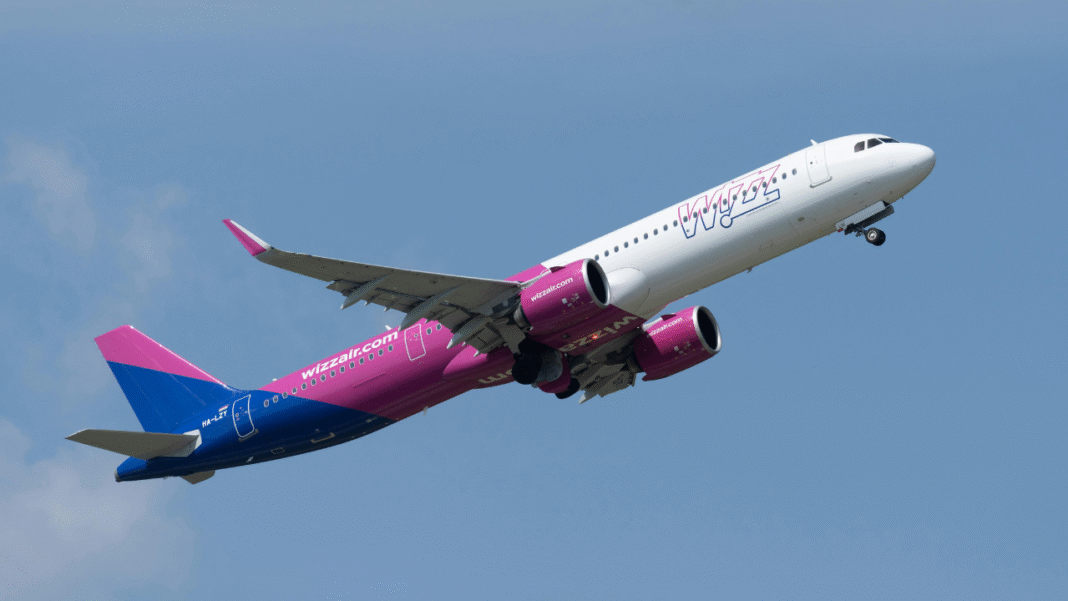
And adding to tensions, Wizz Air Abu Dhabi, the Emirate’s rapidly expanding low-cost subsidiary that launched operations only last January 2021, has cancelled all flights out of the country until June’s end. Air Arabia, the ultra-low-cost pioneer based in Sharjah since 2003, has taken a more drastic step by suspending flights not only to Iran, Iraq, and Israel, but also to Russia, Armenia, Georgia, and Azerbaijan until June 30 (with a diversion to Jordan until June 26). In total, Air Arabia’s suspension impacts at least seven nations.
With the thousands of passengers routed around, with the long layovers imposed upon them, and scrambling to buy new tickets, these suspensions ripple far beyond the simple mechanism of schedule changes. They remind us that flight—our contemporary metaphor for freedom and access—remains hostage to security and politics. And as diplomats hold their breath that newly brokered ceasefire negotiations between Tehran and Tel Aviv might bring calmer airs, for now the region’s aviation charts are still crisscrossed not by flight routes, but by “X” marks of uncertainty.
Anyone travelling through the Gulf’s shiny hubs should be aware of the clear message: check your flight status, tune into official airline announcements, and prepare for diversions. Given the current climate, it’s possible that the optimal flight plan may not be the one you purchased.