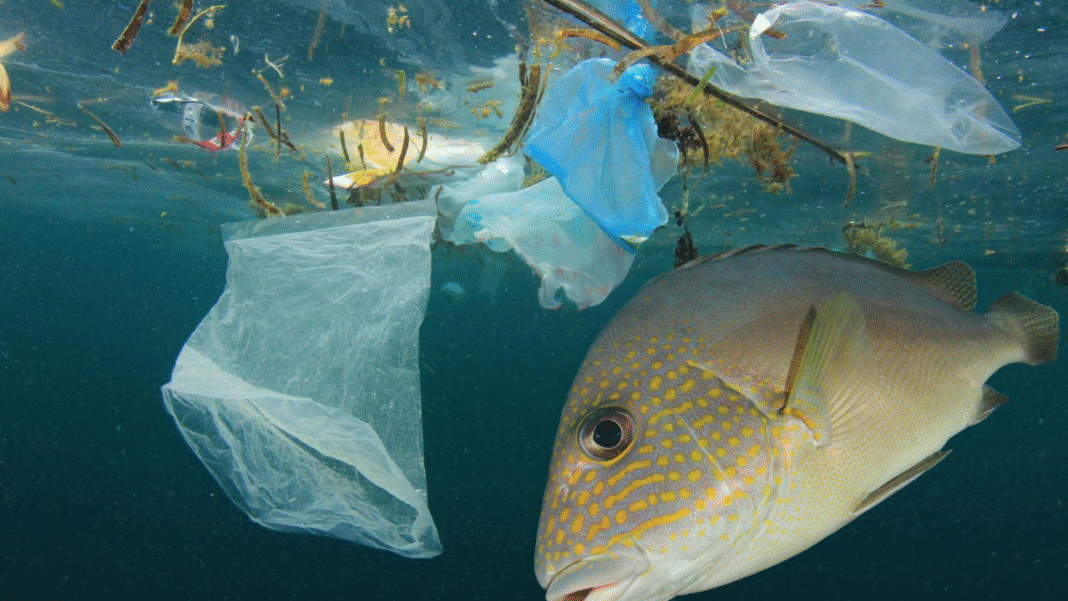

(Commonwealth)_ Every year, the Commonwealth dumps a staggering 23 million tonnes of plastics into the oceans, potentially causing devastating effects on human health, marine life, and the environment. Meeting this marauding building crisis, the Commonwealth Clean Ocean Alliance convened representatives from its member nations to bring them on board ahead of the next and final set of negotiations for a global plastics treaty legally binding in nature.
Prior to the second half of the fifth session of the Intergovernmental Negotiating Committee (INC-5.2) in Geneva on 5–14 August, the Alliance organized a webinar for 70 government officials from 29 Commonwealth states. The session equipped participants with legal, technical, and policy expertise to help prepare them more effectively to carry out their role in the negotiations. Experts guided participants through standard treaty questions and the challenges related to implementation, providing useful instruments to create effective and enforceable treaties.
The INC Secretariat participated in the webinar to introduce the developments to the participants and reaffirm the necessity of full and effective participation by all delegations throughout the negotiation process.
The Commonwealth’s Critical Role
The Commonwealth has the optimum capacity to fight plastic pollution. Of its 25 member states that are Small Island Developing States (SIDS) and over a third of all marine waters under its total jurisdiction, the impacts of plastic pollution are felt directly among them. Most of these nations experience the most significant effects of plastic pollution: the destruction of coastlines, the decline in fisheries, and, most importantly, the economic loss resulting from the accumulation of plastic trash in the oceans.
The Apia Commonwealth Ocean Declaration, endorsed by CHOGM in 2024, is a call to action for members. It requests an ambitious, global, and inclusive plastics treaty that considers the whole lifecycle of plastics, including the production and end waste, and takes regulatory action to prevent and manage marine pollution from all causes. To the Commonwealth nations, plastic pollution is both an environmental item on the agenda and a short-term developing nation priority because of its backing of livelihoods, food security, and long-term economic growth. Governance and Implementation Prioritization
Those two sections of the treaty, which were at its heart as part of its administration and implementation, formed the focus of the webinar: how the decision-making procedures would impact its administration, and how nations will deliver on their obligations via roadmaps and national action plans. Both aspects are essential for ensuring that the treaty is ambitious yet feasible, with enforcement characterized by transparency and quantifiable actions.
Placing the topic into context, legal professionals reviewed models of decision-making in existing multilateral environmental agreements such as the Basel Convention on the Control of Transboundary Movement of Hazardous Wastes, the Stockholm Convention on Persistent Organic Pollutants, and the Minamata Convention on Mercury. By analyzing the strengths and weaknesses of these models, participants gained more knowledge about how different mechanisms of consensus and voting may affect fair, open, and effective governance in the plastics treaty.
In addition to this legal framework, the Global Plastic Action Partnership implementers gave operational guidance on how to write and execute National Action Plans. They established requirements for writing effective plans, including conducting baseline studies, convening consultations with the stakeholders involved, and engaging in effective monitoring systems. SIDS and LDCs, who typically have fewer resources but suffer disproportionately from plastic pollution, find these measures particularly pertinent.
A Way Forward
The Commonwealth Secretariat pre-negotiation Geneva negotiations also remain committed to the exchange of good practices among members, partnership, and capacity development. This is for the expectation of all member states, small and large and irrespective of economic capacity, for fruitful engagement and active participation in an effective, resilient, and equitable global plastics treaty.
As one of the biggest ocean jurisdictions and as one of the common vulnerable members to plastic pollution impacts, the Commonwealth is well-positioned to make a positive contribution in facilitating an ambitious agreement. The outcome of these negotiations, regardless of whether it aligns with their preferences, will be crucial in shaping how the entire world tackles plastic pollution for generations to come and will have significant implications for environmental protection, economic security, and human health globally.