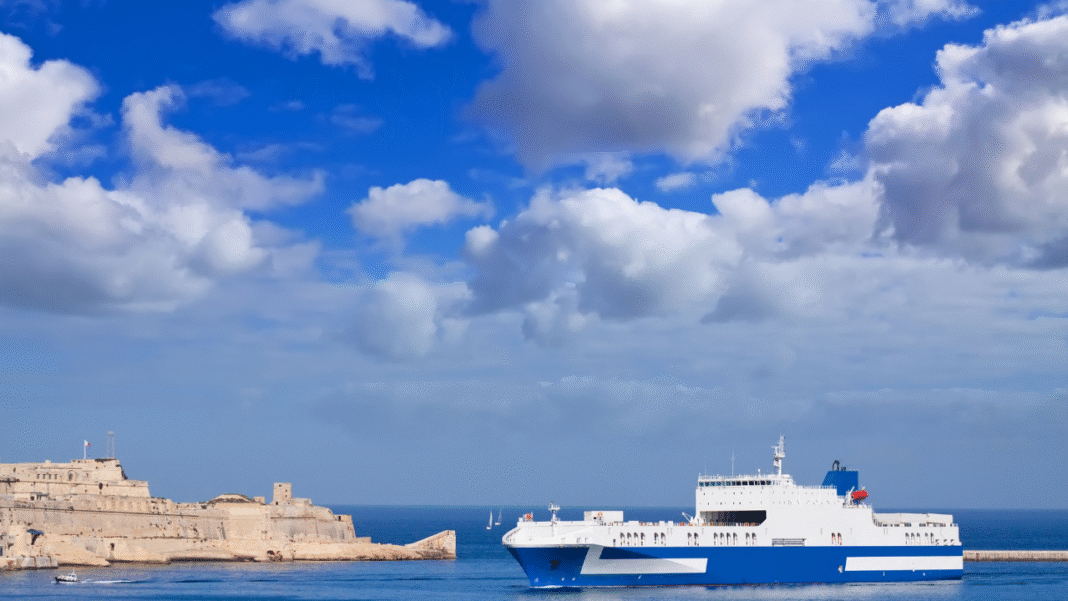


Australia is close to making a historic change in its naval procurement strategy. It may become the first international customer for a Japanese-built warship since the Second World War. Reports from Nikkei Asia indicate that the Royal Australian Navy (RAN) is in serious talks to acquire up to 11 of the upgraded FFM version of Japan’s Mogami-class frigates. This potential acquisition is a significant shift in both Australian defense policy and Japan’s approach to military exports.
This decision in the 2024 Surface Combatant Fleet Review highlighted the emergent need to broaden the RAN’s fleet. This review mentioned the immediate purchase of new vessels to replace the existing ones, which have been in service since the mid-1990s. While the review supported the ongoing Tier 1 combatant program for the Type 26-based Hunter-class ASW frigates, it recognized that their delivery schedule would not meet the immediate need for more ships. Consequently, the RAN sought a Tier-2 “off-the-shelf” solution to expedite acquisition and delivery.
The competition for this Tier-2 contract has narrowed to two main options, which can be mentioned as the Mogami-class frigate from Japan’s Mitsubishi Heavy Industries (MHI) and the MEKO A-200 from Germany’s ThyssenKrupp Marine Systems (TKMS). Although some in England had hoped that a version of the Type 31 frigate might be considered, the Mogami-class has emerged as the best choice. Sources in Japan have reported that during a recent National Security Committee meeting, Australia showed a preference for the Japanese ship, with a formal decision expected before the end of the year.
The proposed deal includes a phased construction plan. The first three frigates would be built in Japan, with the remaining eight constructed in Western Australia. Mitsubishi Heavy Industries is already producing the Mogami-class for the Japanese Maritime Self-Defense Force (JMSDF), and it is expected to deliver the first ship to the RAN by late 2029. The quick pace of Japanese shipbuilding is an important reason for this choice, as MHI has completed eight ships for the JMSDF since the first was laid down in 2019, a rate that is much faster than many Western nations.
The Mogami FFM is a strong vessel, measuring 142 meters long and with a full load displacement of 6,200 tonnes. It comes with a full range of anti-submarine warfare (ASW), anti-air, and mine warfare capabilities. A key feature is its 32-cell Mk 41 Vertical Launch System (VLS), which has double the capacity of the German proposal.
A significant advantage is the ship’s low crew size of about 90 personnel, including an effective 10-person CIC team. This helps address a major issue faced by the RAN and other navies worldwide, which struggle to recruit and retain enough trained sailors for their growing fleets.
If finalized, the sale would be a historic moment for Japan, marking its first export of a major surface combatant and only its second significant defense package sold overseas, after delivering radar systems to the Philippines. Japan is heavily promoting this export, with strong government support. Senior defense officials and industry leaders have emphasized the reliability of delivery and the strategic partnership between the two nations. MHI’s production line can deliver two frigates a year to the JMSDF and could potentially increase to three each year. The company has committed to providing full intellectual property rights and long-term support for the Australian version, ensuring local maintenance over the vessel’s expected 40-year lifespan.
Beyond industrial aspects, choosing the Mogami-class frigate shows a significant deepening of the partnership between Canberra and Tokyo. As the Indo-Pacific becomes a more contested region, both nations are focusing on improving naval deterrence, interoperability, and the strength of their supply chains. Exporting a major surface combatant from Japan to a close regional partner is more than a procurement milestone; it represents a strong symbol of shared goals and a coordinated response to China’s rapid military growth.