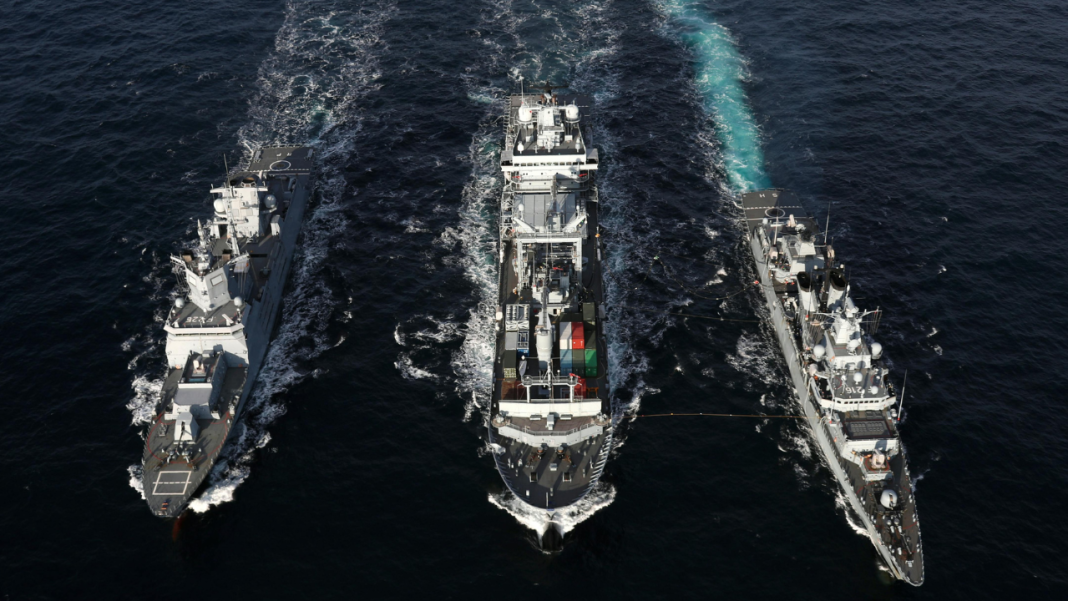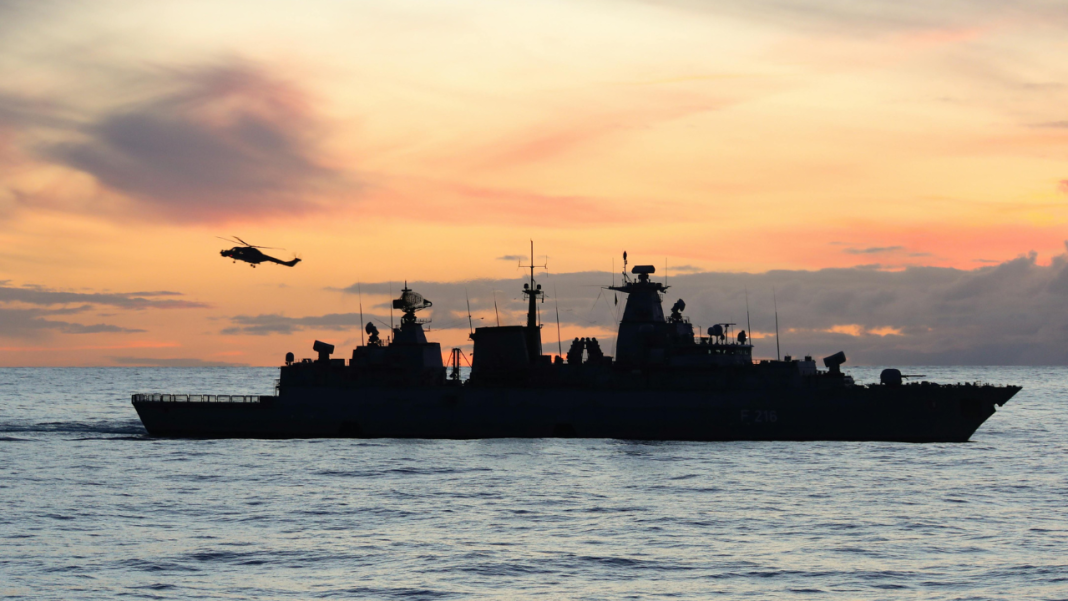

Tensions between the United States and Venezuela have entered a distinctly militarised phase. In recent days, the US has deployed its newest and largest aircraft carrier, the USS Gerald R. Ford, to the region under the command of the United States Southern Command (SOUTHCOM), joining warships, nuclear-powered submarines, and advanced fighter jets. The official US rationale is a crackdown on drug trafficking and transnational criminal networks operating in the Caribbean and proximate waters.
For its part, the Venezuelan government under Nicolás Maduro has responded by announcing a “massive mobilisation” of its armed forces, including land, naval, air, and river-borne assets, as well as a civilian militia force, in what it describes as a defence against a potential US incursion.
In essence this is no longer just a bilateral spat; it carries implications for broader Latin American geopolitics. Venezuela’s military is widely regarded as weakened by decades of economic crisis, corruption and sanctions, raising questions about its capacity to meaningfully deter a well-equipped US force. Yet the symbolism of Venezuela’s response is strong: it is casting itself as a bulwark against what it terms US “imperial aggression” on the continent.
The US, meanwhile, appears to be walking a fine line. By framing the buildup as part of the “war on drugs,” it retains the plausible deniability of an explicit regime-change objective, even as analysts argue that pressure on the Maduro regime may be a deeper motive.
Latin American states are watching closely. Many will favour diplomacy and regional mechanisms rather than confrontation; the deployment risks destabilising the region, whether through unintended incidents, refugee flows, or escalation into a full-scale confrontation.
What began as a drug tasking has transformed into a strategic standoff. If there is a miscalculation or miscommunication, the consequences may extend well beyond Venezuela’s borders, challenging the region’s norms of sovereignty, non-interference and collective security.
As the world’s attention turns to the Caribbean, the unfolding crisis reveals a larger truth about modern geopolitics: regional tensions can quickly take on a global scale. Whether or not this confrontation is merely a show of strength or develops into direct conflict will depend on restraint, dialogue and the willingness of both Washington and Caracas to step away from the precipice.