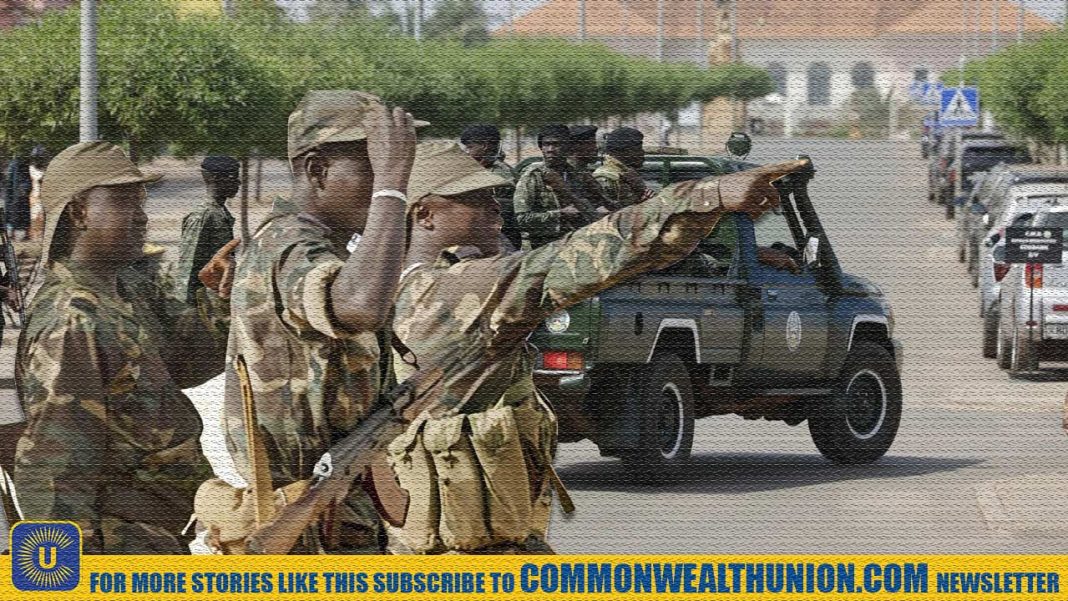

On November 26, 2025, sustained gunfire erupted near the headquarters of the national election commission in Guinea-Bissau’s capital, Bissau, just a day before the provisional results of a tightly contested presidential election were due. The volleys reportedly also rang out near the interior ministry and the presidential palace, prompting panic as residents fled the streets.
Shortly thereafter, a group of army officers announced that they had seized power, toppled President Umaro Sissoco Embaló, suspended the electoral process, closed the nation’s borders, and imposed a curfew. The development marks yet another coup in a country long plagued by political instability: since independence from Portugal in 1974, Guinea-Bissau has seen at least nine successful or attempted coups.
For many African countries, especially those in the Commonwealth, this development in Guinea-Bissau will be viewed with alarm. Guinea-Bissau’s military intervention appears to be interfering with election processes and causing instability within those states. The military intervention threatens the ideals of democracy held by many nations across the continent. Countries that rely upon the legitimacy of a peaceful transition of power will begin to receive additional pressure from those in the military who have been empowered by the unspoken coups taking place within some of the states on the continent and the chaotic nature of their dealings after the election results are known.
Gunfire on the eve of the announcement of results shows that nothing is fair or transparent about elections; the point of a democratic election is for citizens to freely and openly choose their own leaders. Where that trust is shattered, not only does the country itself risk descending into deeper instability, but neighbouring states and regional bodies may also be drawn into political crises as refugees, spillover violence or economic disruption spread beyond borders.
To many Commonwealth-linked countries in Africa, the lessons are obvious: respect for institutional frameworks such as transparency of results, protection of electoral bodies, and civilian oversight becomes all the more vital. The international community, regional bodies, and civil society in Commonwealth nations may be called to renew vigilance for and support for democratic safeguards in order to prevent contagion in the form of coups and eroding governance standards.